Quote · Added 14 February 2026
Education is a better safeguard of liberty than a standing army.
Edward EverettThe Necessity of Education in a Republican Government, Speech Text, Voices of Democracy
No ratings yet
Quote · Added 14 February 2026
We tend to think of freedom as something we defend with force—walls, weapons, institutions. But Everett points to something quieter and more durable: the ability to think clearly about what's happening around you. An educated person recognizes manipulation, spotting the difference between a compelling argument and actual truth. They understand how systems work, which means they're harder to exploit. They can question authority without needing permission, and they can teach others to do the same.
This feels urgent now because information is everywhere, yet so is misinformation. You can be physically "free" but mentally trapped by whatever narrative you've absorbed uncritically. An army protects territory; education protects your actual autonomy. It's the difference between someone telling you what to think and you deciding for yourself.
The tricky part is that real education isn't just accumulation of facts. It's developing judgment—learning to ask good questions, to recognize your own biases, to change your mind when evidence warrants it. That's harder than memorizing answers, and it's also something no one can take from you once you've cultivated it. It's why authoritarian systems always try to control what gets taught first.
1794–1865·lived 70 years
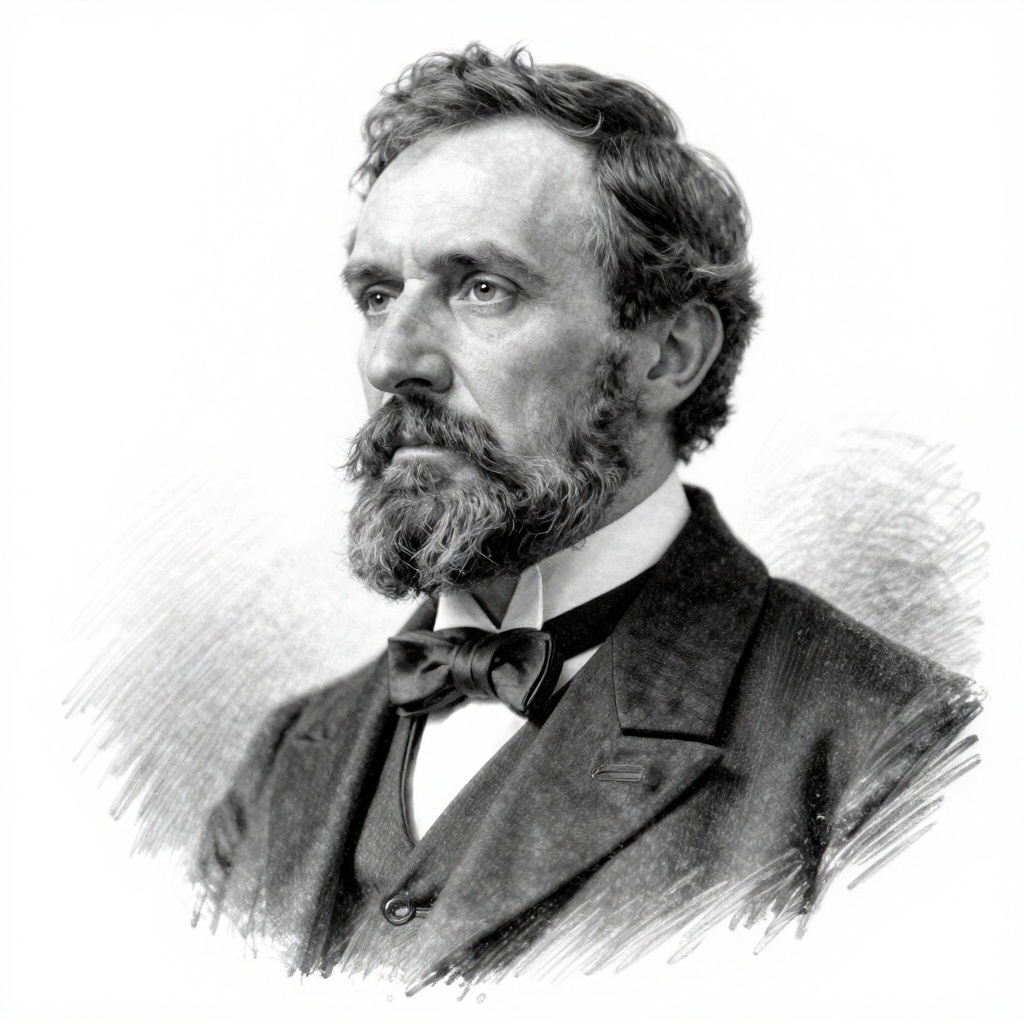
Edward Everett was an American politician, diplomat, and orator born on April 11, 1794, in Dorchester, Massachusetts. He served as the governor of Massachusetts, a U.S. senator, and the U.S. Secretary of State, and was known for his extensive ability in public speaking, particularly his oration at the Gettysburg Address ceremony, where he spoke for over two hours. Everett was also a significant contributor to the educational and literary landscape of his time, serving as president of Harvard University from 1846 to 1849. He passed away on January 15, 1865.
Comments