Quote · Added 14 February 2026
A flower falls, even though we love it; and a weed grows, even though we do not love it.
DogenShobogenzo, 1233
No ratings yet
Quote · Added 14 February 2026
We spend so much energy trying to control what we like and dislike, as if our preferences should matter to the world. We want the beautiful things to stay and the ugly things to disappear, but life just keeps operating on its own schedule. The flower withers because that's what flowers do. The weed thrives because it's built to survive, not because it respects our judgment about what belongs in the garden.
This isn't actually depressing once you sit with it—it's oddly liberating. So much of our frustration comes from the gap between what we think should happen and what actually does. We exhaust ourselves trying to prop up the things we love or eliminate the things we don't. But acceptance doesn't mean giving up; it means working with reality as it is, not as we wish it were. You can still tend your garden. You just stop being shocked or resentful when nature doesn't consult your preferences first.
The real insight is that love and rejection are mostly about us—our taste, our plans, our sense of order. The world is indifferent to all of that, and there's something freeing in admitting it. Life moves forward regardless of our approval, and sometimes that's the permission we need to stop fighting so hard and start paying closer attention instead.
1200–1253·lived 53 years
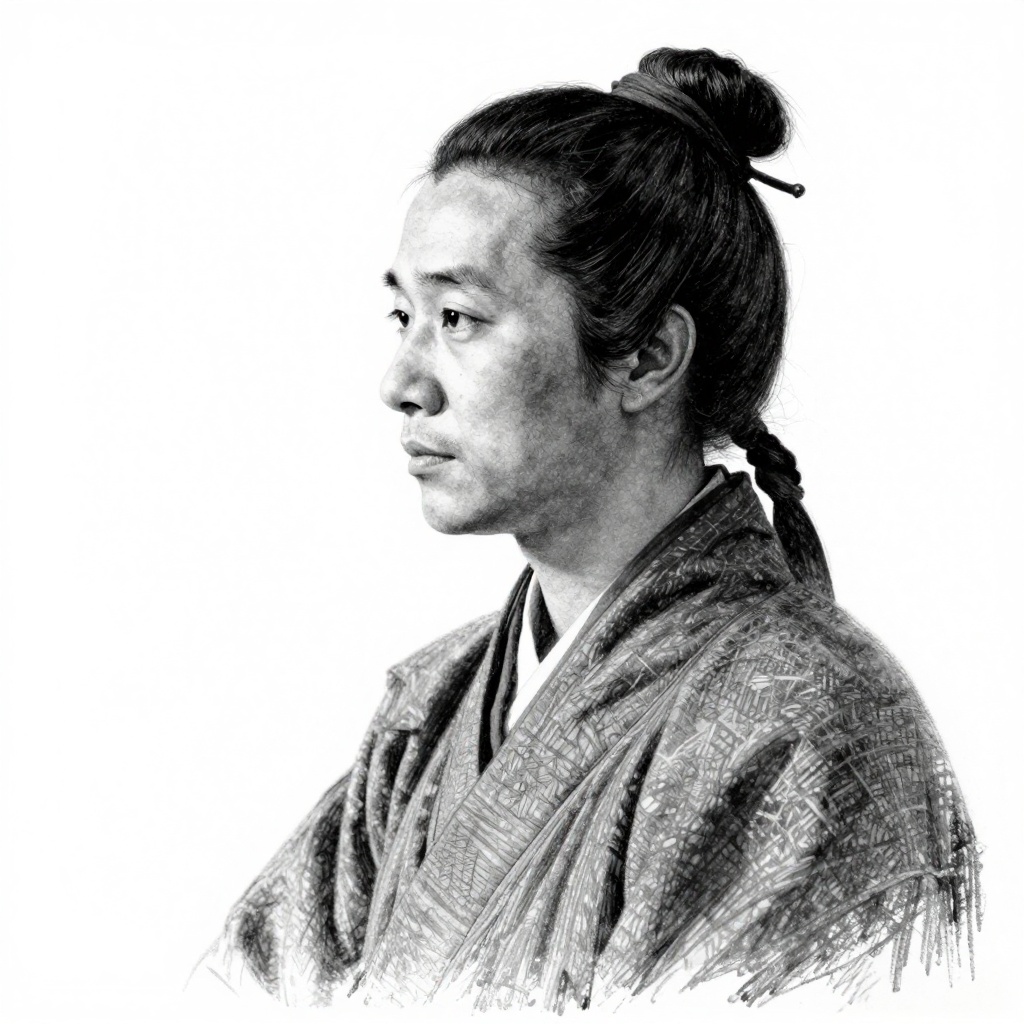
Dogen, born in 1200 in Japan, was a renowned Zen Buddhist teacher and the founder of the Soto school of Zen. He is best known for his work "Shobogenzo," which emphasizes the practice of zazen (sitting meditation) and the importance of direct experience in understanding reality. Dogen's teachings have had a profound influence on Zen Buddhism and continue to be studied and practiced today.
Comments