Quote · Added 14 September 2023
The reading of all good books is like a conversation with the finest minds of past centuries.
DescartesLe Discours de la méthode, pt. 1
Filed underbooks·conversation·wisdom
Quote · Added 14 September 2023
Filed underbooks·conversation·wisdom
When you pick up a book by someone long dead, something strange happens. You're not just absorbing information—you're actually in dialogue with that person's thinking. They're making an argument, you're pushing back silently, wondering if they're right, feeling convinced or skeptical. It's closer to a conversation with a brilliant friend than it is to downloading facts.
This matters more now than ever. We're drowning in content we consume passively—scrolls and skims and takes that leave no mark. But a real book demands something different. It asks you to think alongside someone, to notice where you disagree, to let their mind actually shape yours. You're not just getting their conclusions; you're seeing how they reasoned, what they valued, where they got stuck.
The non-obvious part: this kind of reading is also humbling. You're not just learning from the past—you're recognizing that brilliant people have been thinking hard about problems for centuries, and many of those problems haven't gone anywhere. There's something grounding about that. It shrinks our anxieties while expanding our perspective. We're never really thinking alone.
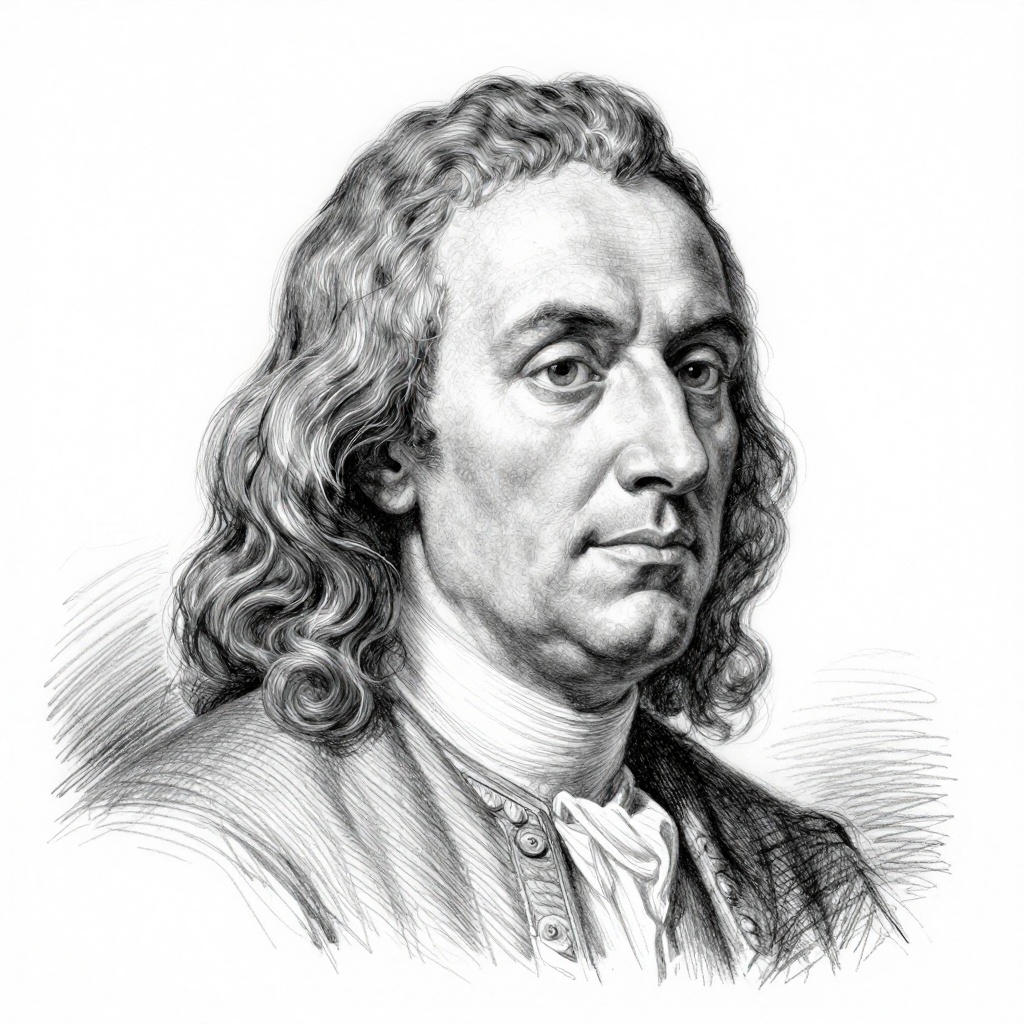
1596–1650·lived 53 years
René Descartes was a French philosopher, mathematician, and scientist, born on March 31, 1596, and he is often referred to as the father of modern philosophy. He is best known for his statement "Cogito, ergo sum" ("I think, therefore I am") and for developing Cartesian coordinate systems in mathematics. His works laid the groundwork for much of Western philosophy and had a significant influence on the development of modern scientific thought.
Comments