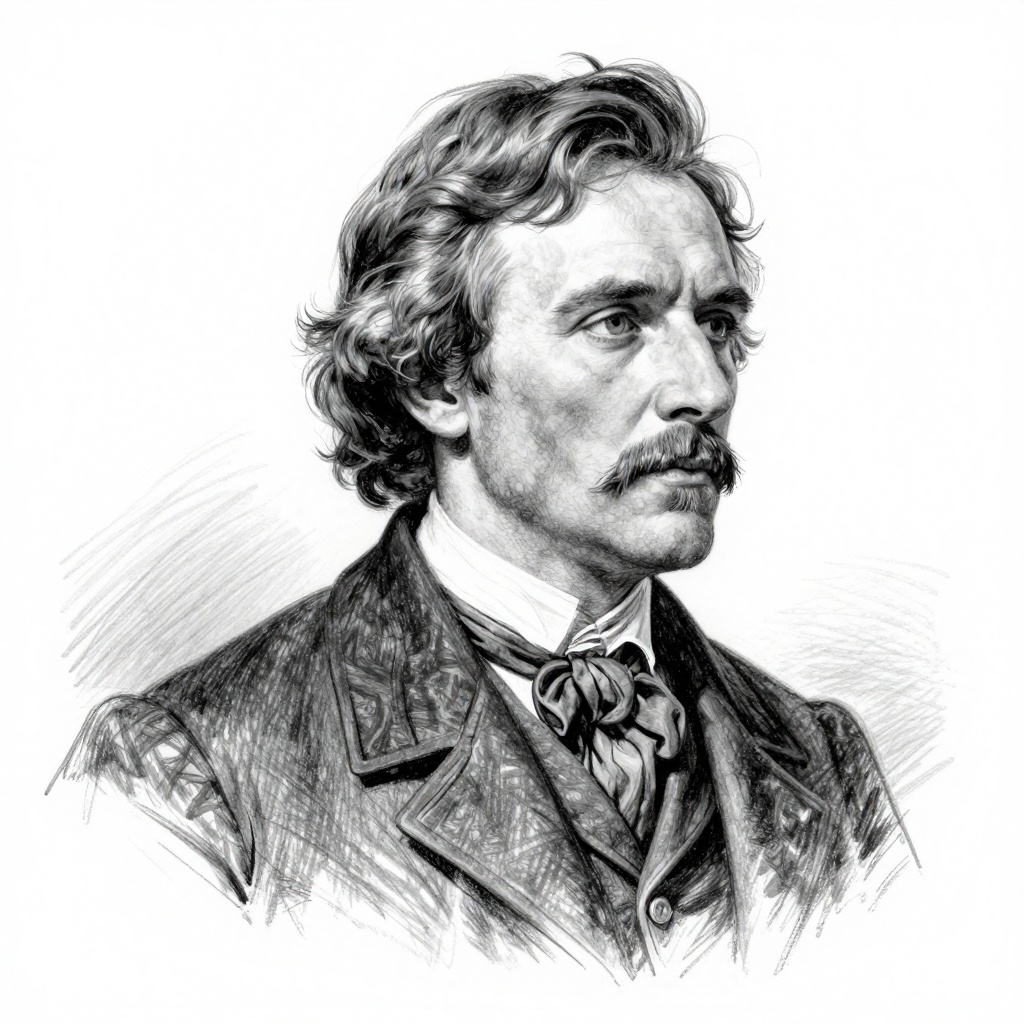
We have the right as individuals to give away as much of our own money as we please in charity; but as members... — Davy Crockett

We have the right as individuals to give away as much of our own money as we please in charity; but as members of Congress we have no right to appropriate a dollar of the public money.

Author: Davy Crockett

Insight: There's a tension that feels modern even though Crockett said this two centuries ago: the difference between what we freely choose to do with our own resources versus what we assume government should do with shared money. When you donate to a cause you believe in, you're making a conscious choice about your values. When public funds go somewhere, it's supposedly on behalf of everyone, whether they agree or not. The sticky part is that most people actually like some version of government spending on things they care about—roads, schools, disaster relief. But Crockett's point isn't really about whether those things matter. It's about consent and legitimacy. He's arguing that a representative has a duty to be disciplined and restrained with money that isn't theirs to give away, even if the cause seems noble. Your good intentions don't automatically justify spending someone else's money. Today this matters because we rarely distinguish between these two things anymore. We debate what government should fund as if it's just a question of good causes, when Crockett would say the threshold is much higher—you need actual justification for taking and redistributing what belongs to others. Whether you agree with him or not, it's worth noticing the difference between charity and obligation.

Your money versus everyone's money

We have the right as individuals to give away as much of our own money as we please in charity; but as members of Congress we have no right to appropriate a dollar of the public money.

There's a tension that feels modern even though Crockett said this two centuries ago: the difference between what we freely choose to do with our own resources versus what we assume government should do with shared money. When you donate to a cause you believe in, you're making a conscious choice about your values. When public funds go somewhere, it's supposedly on behalf of everyone, whether they agree or not.

The sticky part is that most people actually like some version of government spending on things they care about—roads, schools, disaster relief. But Crockett's point isn't really about whether those things matter. It's about consent and legitimacy. He's arguing that a representative has a duty to be disciplined and restrained with money that isn't theirs to give away, even if the cause seems noble. Your good intentions don't automatically justify spending someone else's money.

Today this matters because we rarely distinguish between these two things anymore. We debate what government should fund as if it's just a question of good causes, when Crockett would say the threshold is much higher—you need actual justification for taking and redistributing what belongs to others. Whether you agree with him or not, it's worth noticing the difference between charity and obligation.

AI generated

Comments

Sign in to leave a comment or reply to one.

Sign in

Davy Crockett

Davy Crockett (1786-1836) was an American frontiersman, soldier, and folk hero known as the "King of the Wild Frontier." He served as a U.S. Congressman from Tennessee and gained fame for his exploits in hunting, exploration, and participation in the Texas Revolution, where he died defending the Alamo. Crockett's legendary status endures in American culture, symbolizing rugged individualism and frontier spirit.

Graph

Related