Quote · Added 14 February 2026
Beauty in things exists in the mind which contemplates them.
David HumeOf the Standard of Taste, Essays Moral, Political, Literary, 1757
Filed underbeauty·perception·contemplation
Quote · Added 14 February 2026
Filed underbeauty·perception·contemplation
We like to think beauty is out there waiting to be discovered—that a sunset is objectively gorgeous or a face is inherently attractive. But Hume is pointing at something stranger and more honest: beauty doesn't live in the thing itself. It lives in you. The sunset is just wavelengths of light; you're the one who feels moved by it. This means beauty is less like finding treasure and more like creating it through the act of paying attention.
This matters because it shifts the power back to you. You're not stuck waiting for the world to serve you beautiful moments. A cracked coffee mug, a messy garden, your friend's laugh—these become beautiful not because they're objectively perfect, but because of what happens when you actually look at them. We scroll past a thousand images daily, but rarely contemplate anything. The beauty isn't missing; we are.
There's something liberating here too. It means you don't need flawless conditions or expensive things to experience beauty. It means the most beautiful moment in your day might be something nobody else would photograph, because it exists specifically in your mind, in that particular second when you stopped rushing and actually noticed something.
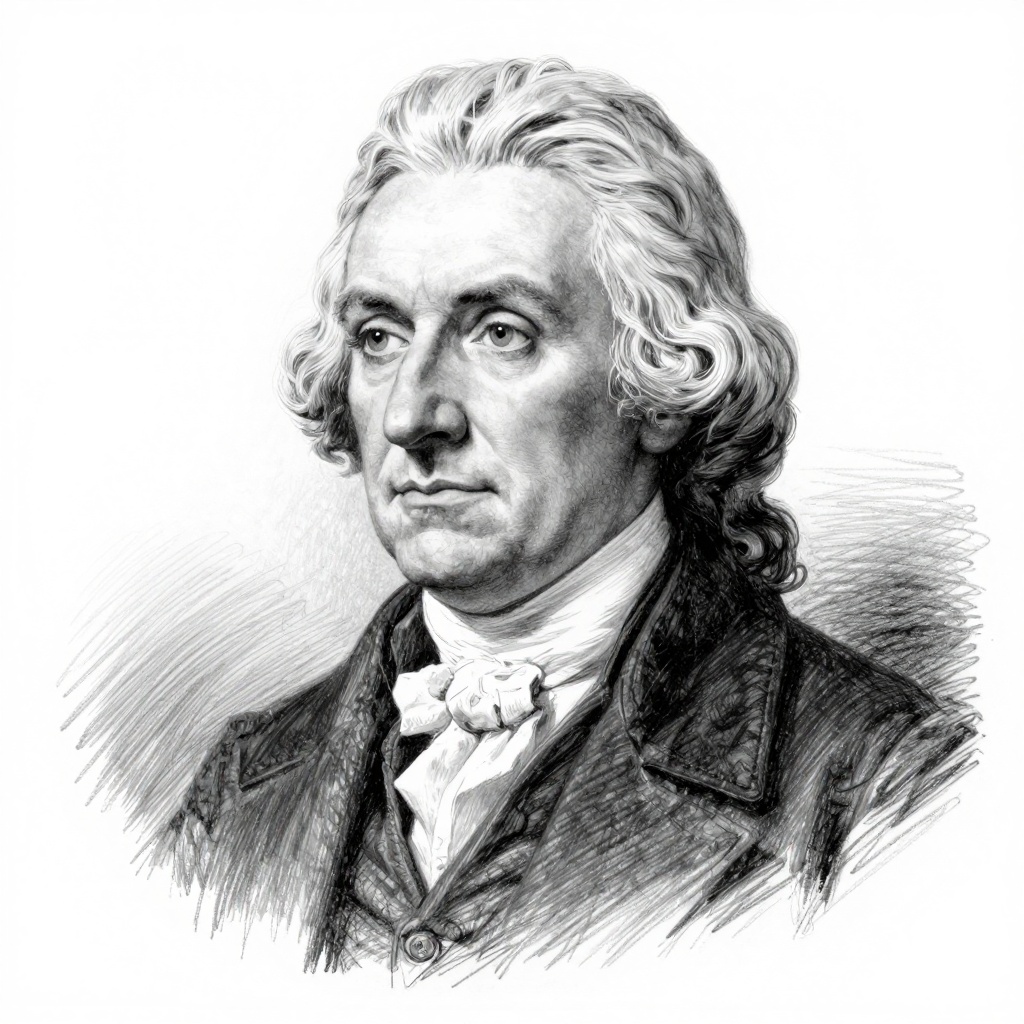
1711–1776·lived 65 years
David Hume was an 18th-century Scottish philosopher, historian, and economist, widely regarded as one of the most important figures in Western philosophy. He is best known for his influential works on empiricism, skepticism, and naturalism, particularly in texts like "A Treatise of Human Nature" and "An Enquiry Concerning Human Understanding." Hume's ideas on human psychology and the nature of knowledge continue to impact philosophy and the social sciences today.
Comments