Quote · Added 14 February 2026
If you hope for happiness in the world, hope for it from God, and not from the world.
David BrainerdThe Life of the Rev. David Brainerd, Missionary to the Indians, 1824
No ratings yet
Quote · Added 14 February 2026
We live in a culture that's become very skilled at selling us happiness from the world. A new job will fix it. That relationship will complete you. This purchase, this achievement, this body—finally, then you'll feel whole. The problem isn't that these things can't bring moments of joy. They can. But they're all subject to change, loss, and disappointment in ways completely outside your control.
What Brainerd is pointing at is something more durable: the difference between happiness that depends on circumstances and something deeper that doesn't. When you're building your sense of okayness on external wins, you're constantly vulnerable. You win and then you don't, you achieve and then someone else does it better, you have and then you lose. The relief is always temporary.
The non-obvious part here is that this isn't really about religion, even if Brainerd framed it that way. It's about where you locate your sense of fundamental stability. People who seem genuinely content—who aren't constantly chasing the next fix—usually have something steady underneath. Whether that's spiritual faith, deep relationships, meaningful work, or a sense of purpose that exists independent of success. They've anchored to something that won't evaporate when circumstances shift. Everything else can still matter to you. But not as the thing that makes you feel like you're okay.
1718–1747·lived 29 years
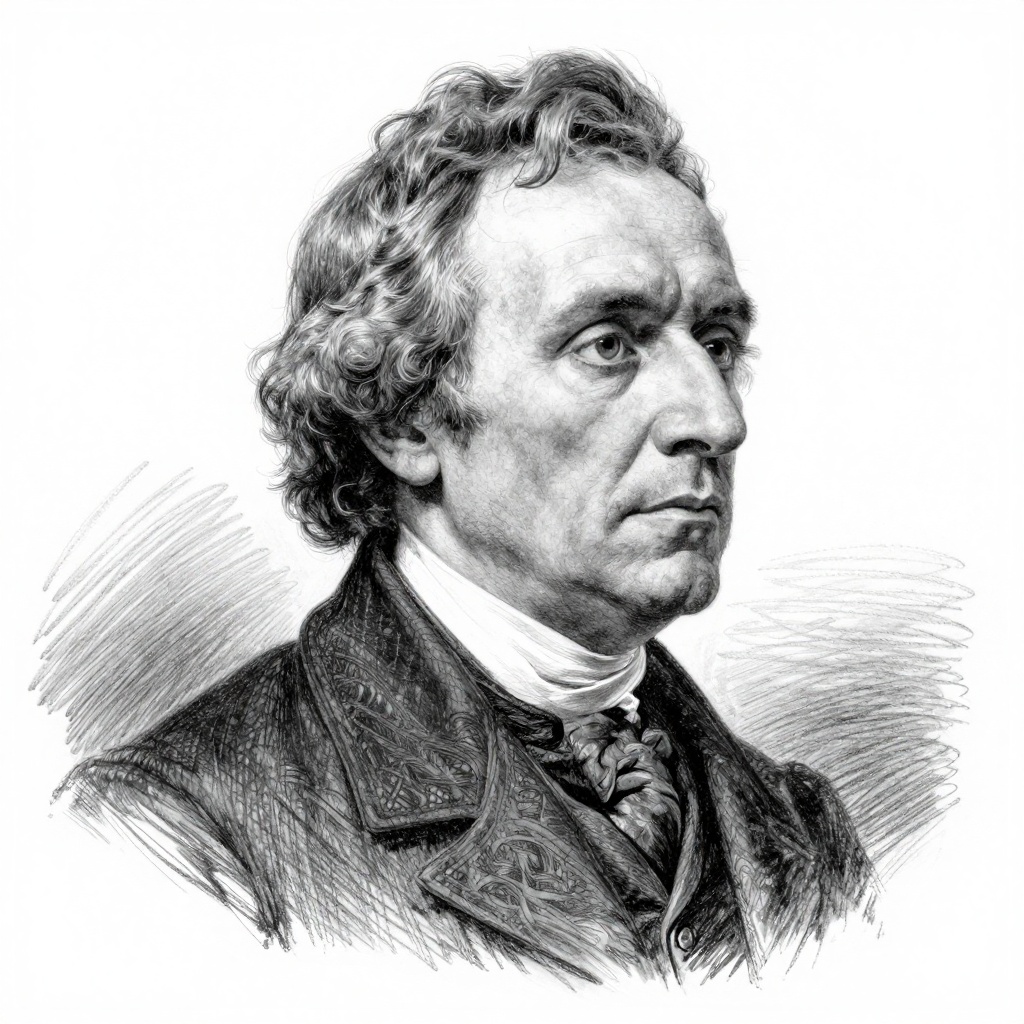
David Brainerd was an American missionary and evangelist born on April 20, 1718, in Haddam, Connecticut. He is best known for his dedication to missionary work among Native American tribes in New England during the 18th century, which laid foundational efforts for future missions. Brainerd's life was marked by his deep spirituality and passionate commitment to preaching, despite his struggles with illness, and he is remembered for his influential diary that provided insight into his work and spiritual life.
Comments