Quote · Added 14 February 2026
All hope abandon, ye who enter here!
Dante AlighieriThe Divine Comedy, Inferno, Canto III
No ratings yet
Quote · Added 14 February 2026
We usually read this line as pure doom—the inscription over hell's gate, a warning that nothing good awaits. But there's something almost liberating about taking Dante literally. The moment you truly abandon hope, you stop waiting for rescue. You stop performing for an audience that isn't coming. You start dealing with what's actually in front of you.
This matters today because so many of us are stuck in the exhausting middle ground—not quite believing things will get better, but not accepting where we are either. We drag half-hearted hope into situations that demand full presence: a difficult job we're quietly resenting, a relationship we've mentally checked out of, a creative project we're afraid will fail. That ambiguous state is actually more draining than either acceptance or genuine optimism.
Dante's gate suggests something counterintuitive: sometimes you need to let go of the hope that things will magically change before you can actually change them yourself. Not despair exactly, but a clear-eyed reckoning. When you stop wishing things were different and start looking directly at what is, you often discover you have more agency than you realized. The trap isn't in the darkness—it's in refusing to see it clearly.
1265–1321·lived 56 years
Dante Alighieri was an Italian poet and philosopher, known for his epic poem "The Divine Comedy." He is regarded as one of the greatest poets in the Italian language and his work is a masterpiece of world literature. Dante's depiction of the medieval Christian afterlife has had a profound influence on Western culture.
Also by Dante Alighieri
Beauty awakens the soul to act.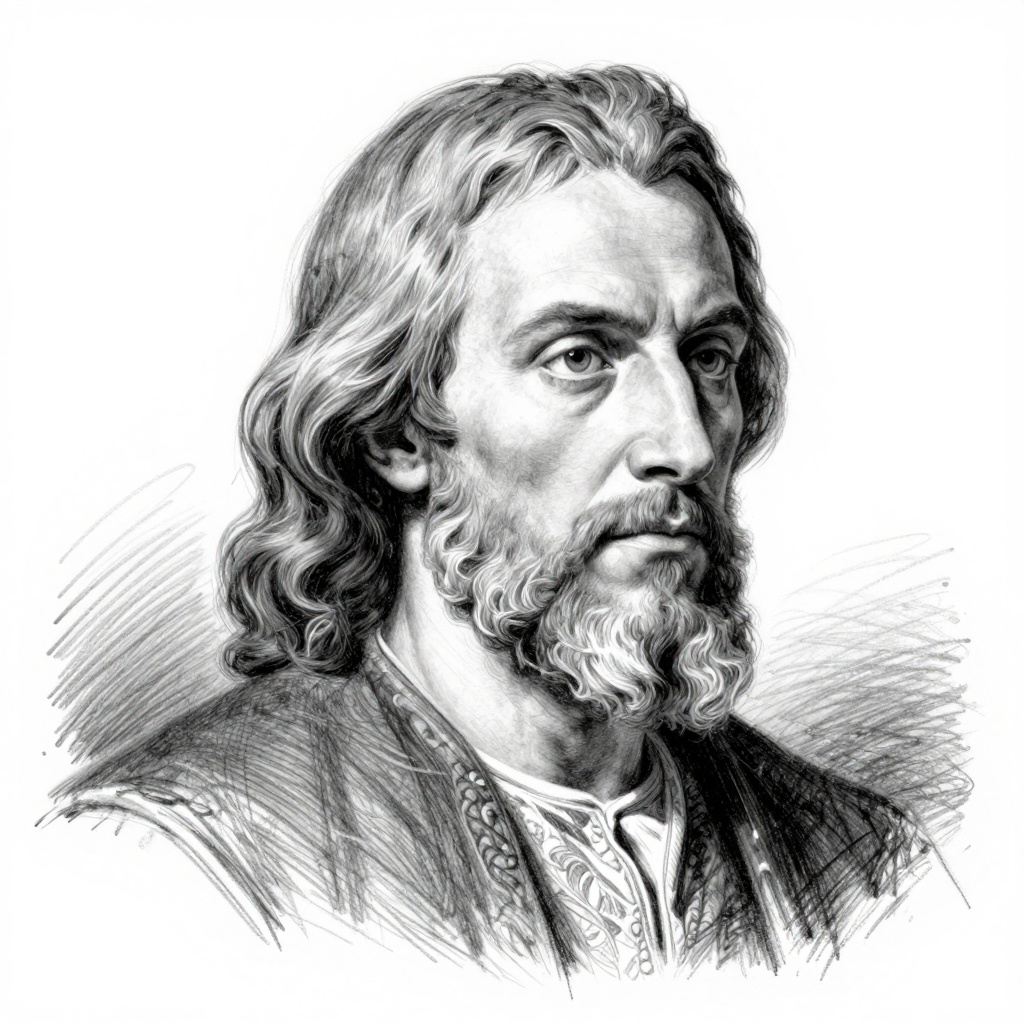
Comments