Quote · Added 28 February 2026
If you do not hope, you will not find what is beyond your hopes.
No ratings yet
Filed underhope·possibility·ambition
Quote · Added 28 February 2026
Filed underhope·possibility·ambition
Hope isn't just about feeling optimistic—it's actually a door opener. When you've decided something is impossible, your brain stops looking for it. You walk past solutions without seeing them because you're not searching. This is why people stuck in hopelessness often stay stuck, not because their situation is truly unchangeable, but because they've stopped believing change is possible. Once you stop looking, you stop finding.
The tricky part is that hope has to come first, before evidence. You have to believe the better thing exists before you can spot it. A person hoping to find a new career notices opportunities everywhere; someone convinced they're trapped in their current job develops a kind of blindness. It's not magical thinking—it's how human attention actually works. We find what we're looking for.
This matters today because despair is loud and feels realistic. It whispers that hoping is naive, that you should be prepared for failure by assuming it now. But there's a middle ground between reckless optimism and protective cynicism: quiet hope, the kind that keeps your eyes open and your options visible. It's the difference between exploring and surrendering.
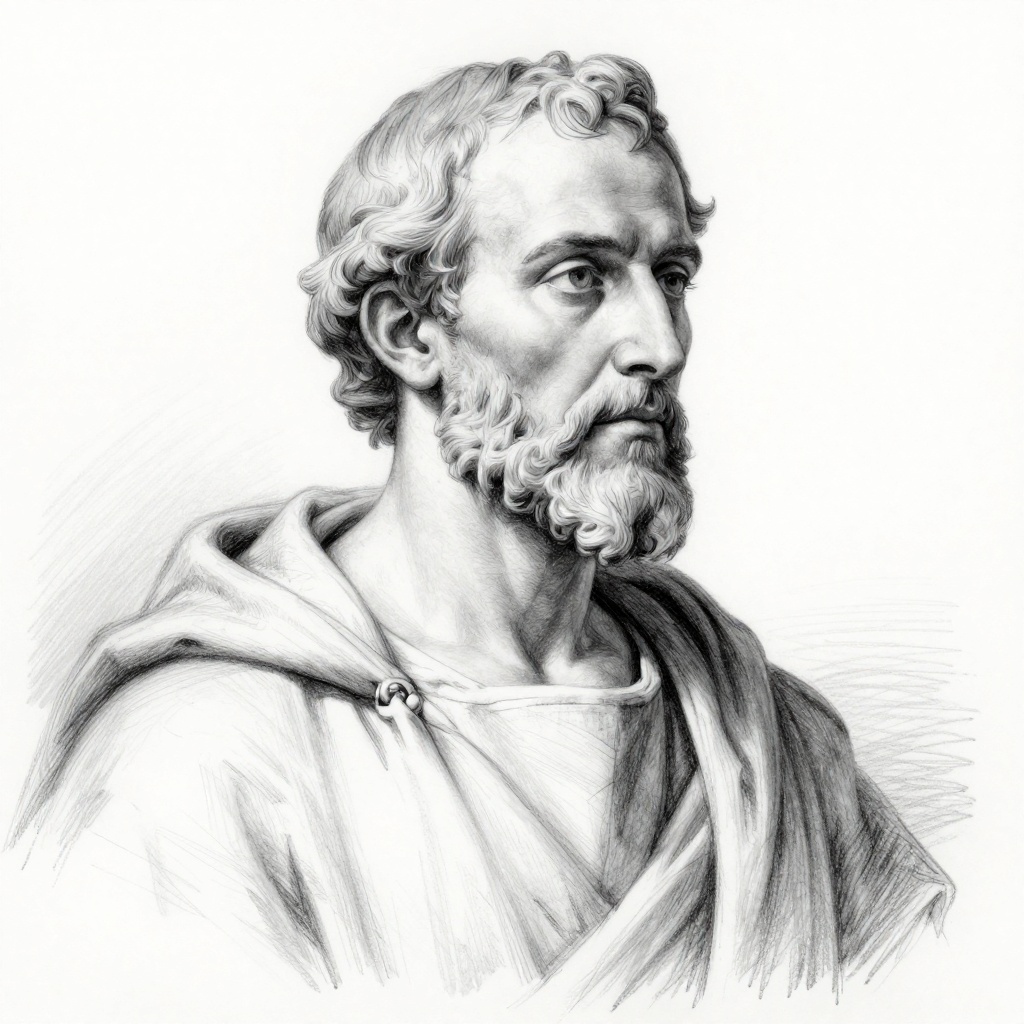
Clement of Alexandria was an early Christian theologian and philosopher who lived in the late 2nd to early 3rd century AD. He is best known for his works that sought to integrate Greek philosophy with Christian doctrine, particularly in his texts "Exhortation to the Greeks," "The Instructor," and "Stromata." As an influential figure in the development of early Christian thought, Clement emphasized the pursuit of knowledge and virtue in the life of believers.
Comments