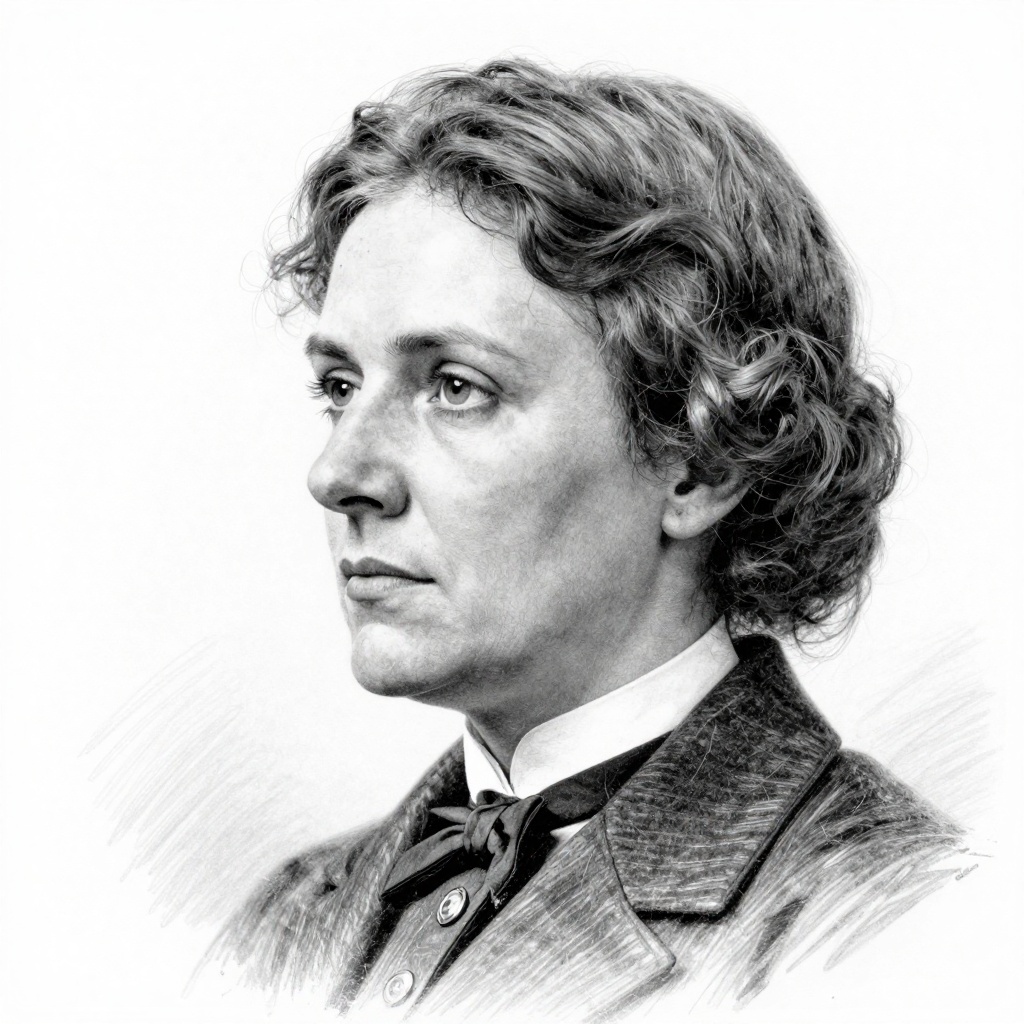
I may be compelled to face danger, but never fear it, and while our soldiers can stand and fight, I can stand... — Clara Barton

I may be compelled to face danger, but never fear it, and while our soldiers can stand and fight, I can stand and feed and nurse them.

Author: Clara Barton

Insight: There's something quietly radical in Barton's distinction between facing danger and fearing it. She's not claiming to be fearless—that would be dishonest. Instead, she's separating the physical reality of risk from the emotional paralysis that can come with it. You can acknowledge that something is genuinely dangerous and still move toward it if the reason matters enough. That's different from pretending courage means not being scared. What makes her insight stick today is how it cuts through a modern confusion about commitment. We often think meaningful work means we have to feel confident or eager about every part of it. But Barton suggests something more honest: sometimes you're compelled by necessity or principle, and you do the work your skills allow—feeding, nursing, supporting—not because you're fearless, but because someone needs it done and you're capable. The fear might still be there. You just don't let it become your excuse. Her real point might be the gentlest one: not everyone fights on the front lines, and that's okay. Some people are called to tend. The courage isn't always in the dramatic stand—it's in showing up to do the unglamorous, essential work while others do theirs, even when it's difficult and frightening.

Courage isn't fearlessness, it's showing up

I may be compelled to face danger, but never fear it, and while our soldiers can stand and fight, I can stand and feed and nurse them.

There's something quietly radical in Barton's distinction between facing danger and fearing it. She's not claiming to be fearless—that would be dishonest. Instead, she's separating the physical reality of risk from the emotional paralysis that can come with it. You can acknowledge that something is genuinely dangerous and still move toward it if the reason matters enough. That's different from pretending courage means not being scared.

What makes her insight stick today is how it cuts through a modern confusion about commitment. We often think meaningful work means we have to feel confident or eager about every part of it. But Barton suggests something more honest: sometimes you're compelled by necessity or principle, and you do the work your skills allow—feeding, nursing, supporting—not because you're fearless, but because someone needs it done and you're capable. The fear might still be there. You just don't let it become your excuse.

Her real point might be the gentlest one: not everyone fights on the front lines, and that's okay. Some people are called to tend. The courage isn't always in the dramatic stand—it's in showing up to do the unglamorous, essential work while others do theirs, even when it's difficult and frightening.

AI generated

Comments

Sign in to leave a comment or reply to one.

Sign in

Clara Barton

Clara Barton was a pioneering American nurse, teacher, and humanitarian best known for founding the American Red Cross in 1881. During the Civil War, she gained recognition for her work as a battlefield nurse and for her efforts to supply medical care to wounded soldiers. Barton's dedication to helping others and advocating for disaster relief established her as a prominent figure in American history.

Graph

Related