Quote · Added 10 February 2026
My father... had sharper eyes than the rest of our people.
Chief JosephAn Indian's View of Indian Affairs, North American Review, April 1879
No ratings yet
Filed underfather·perception·uniqueness
Quote · Added 10 February 2026
Filed underfather·perception·uniqueness
There's something both tender and sobering in this observation. Chief Joseph isn't just noticing that his father saw better in a literal sense—he's marking a quality that set him apart, something that made him valuable to his people. It's the kind of detail a person remembers when someone has shaped their entire worldview, when they've watched a parent perceive things others miss and understood that this perception was a form of leadership.
We still recognize this quality today, though we don't always name it. It's the person in the meeting who asks the question everyone else avoided. It's the friend who notices you're struggling before you say anything. These sharper eyes aren't about intelligence exactly—they're about presence, about caring enough to really look. In a world of distraction, where most of us are half-present most of the time, this kind of attentiveness feels almost rare.
The quiet power of Chief Joseph's statement is that he's describing inheritance not as property or position, but as a way of seeing. He learned from his father that leadership often begins with noticing what others overlook—the crack forming in a relationship, the early warning no one wants to acknowledge, the possibility hiding in plain sight. That's a legacy that never loses its value.
1840–1904·lived 64 years
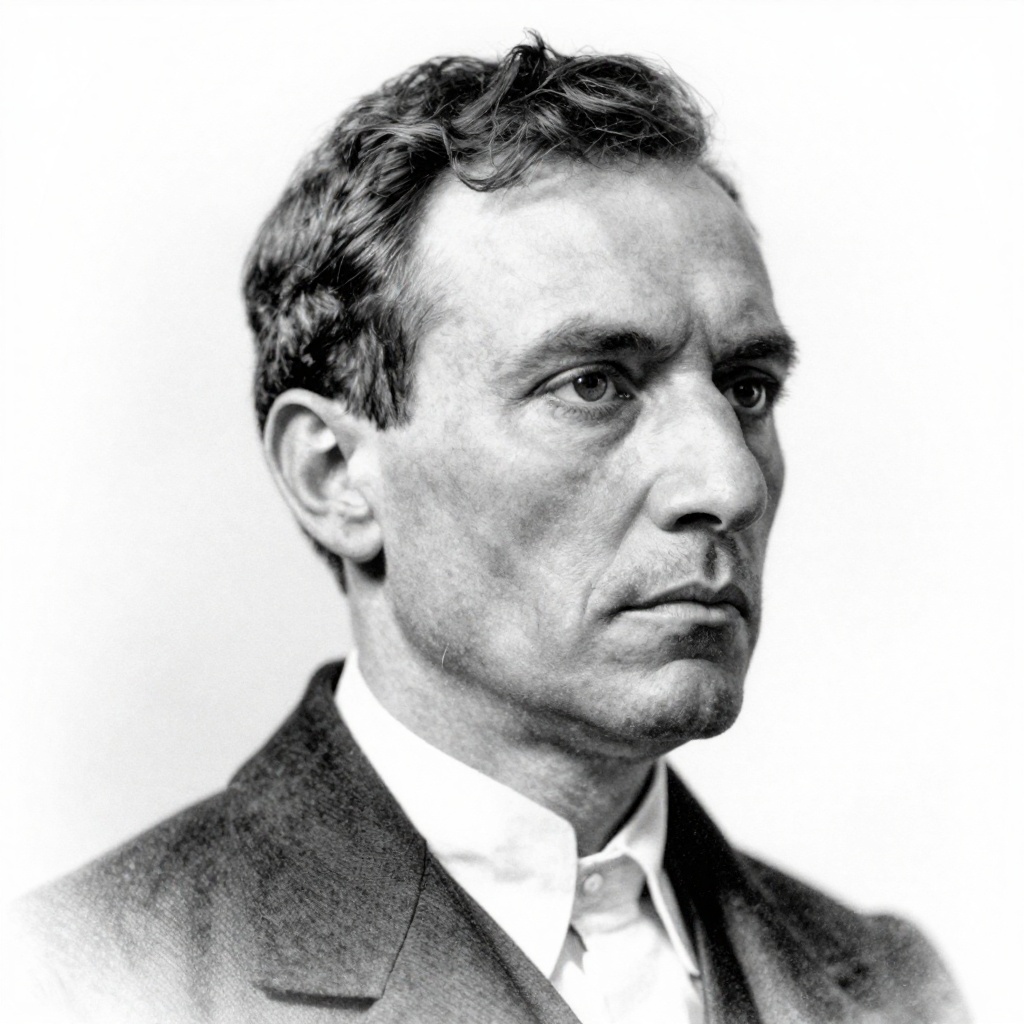
Chief Joseph, also known as Hin-mah-too-yah-lat-kekt, was a prominent leader of the Nez Perce tribe in the 19th century. He is remembered for his efforts to resist the forced removal of his people from their ancestral lands and for his famous speech "I will fight no more forever" delivered in 1877 after their surrender to the U.S. Army.
Comments