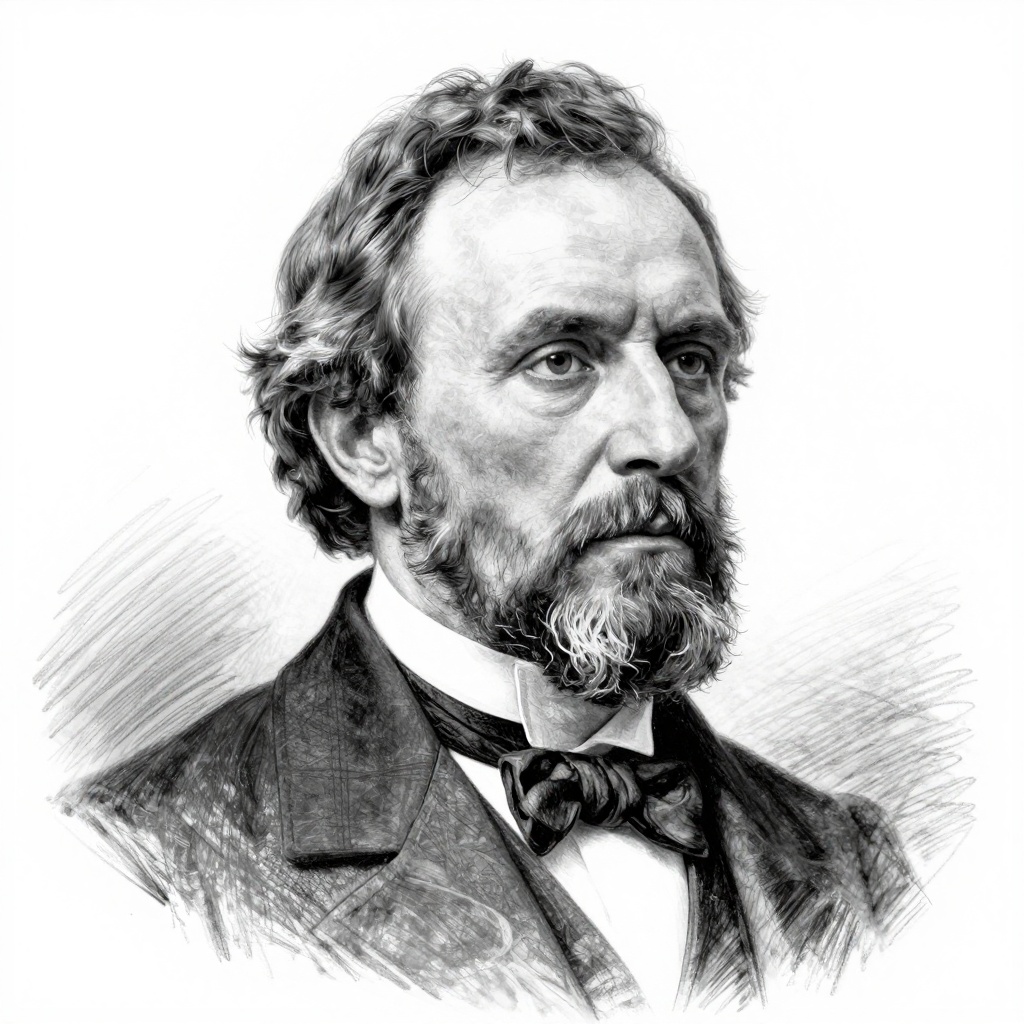
The extravagant expenditure of public money is an evil not to be measured by the value of that money to the pe... — Chester A. Arthur
The extravagant expenditure of public money is an evil not to be measured by the value of that money to the people who are taxed for it.
Author: Chester A. Arthur
Insight: There's something counterintuitive here that most of us miss. We naturally think wasteful spending is bad mainly because it drains our wallets—if the government burns through tax dollars, that's money out of our pockets. But Arthur is pointing at something deeper: the real damage happens to how we relate to our own institutions and trust. When public money gets squandered visibly—on projects that never materialize, contracts for friends, studies nobody needed—it corrodes something harder to measure than dollars. It makes people cynical about whether their taxes actually serve them. It plants a seed of doubt that the system is rigged. That psychological cost, that erosion of faith that collective effort leads somewhere worthwhile, might actually wound society more than the number itself. It's the difference between losing money and losing confidence that anyone's managing things fairly. This matters now because we're surrounded by headline stories about government waste, empty promises, and misaligned priorities. Whether those stories are fully accurate or not, they feed this same cynicism. Arthur understood that democracy requires people to believe their contributions matter—not just economically, but morally. Squander public trust once, and it's harder to get it back than it is to recover a budget.