Quote · Added 15 February 2026
Memory in youth is active and easily impressible; in old age it is comparatively callous to new impressions, but still retains vividly those of earlier years.
Charlotte BronteThe Professor, 1857
No ratings yet
Quote · Added 15 February 2026
There's something bittersweet about how our brains actually work as we age. We all know someone—maybe a grandparent—who can recall the smallest details from childhood but struggles to remember why they walked into a kitchen five minutes ago. It's not laziness or decline in the way we might think. It's more that the brain's wiring changes. New information just doesn't stick the way it used to, but the old memories? They're carved so deep they feel almost alive.
This matters because it explains why people often get more nostalgic as they age, and why those memories feel more real than the present sometimes. It's not sentimentality tricking them—it's neurology. But there's also a practical insight here: if you want something to matter long-term, you need to impress it deeply when you're young. This could mean skills, relationships, or values. The brain prioritizes what gets repeated and what carries emotional weight early on.
The flip side is oddly hopeful. It means that what you care about enough to really absorb now—the conversations, the lessons learned, the people you connect with—those might be the vivid threads you'll still feel decades later, long after trivial daily details have faded. That's worth considering when deciding where to invest your attention.
1816–1855·lived 38 years
Charlotte Brontë was an English novelist and poet, born on April 21, 1816, in Thornton, Yorkshire. She is best known for her novel "Jane Eyre," which has been acclaimed for its exploration of themes such as morality, social criticism, and feminism. Brontë, along with her siblings, also contributed to English literature under the pseudonyms Currer, Ellis, and Acton Bell. She passed away on March 31, 1855.
Also by Charlotte Bronte
The human heart has hidden treasures, In secret kept, in silence sealed; The thoughts, the...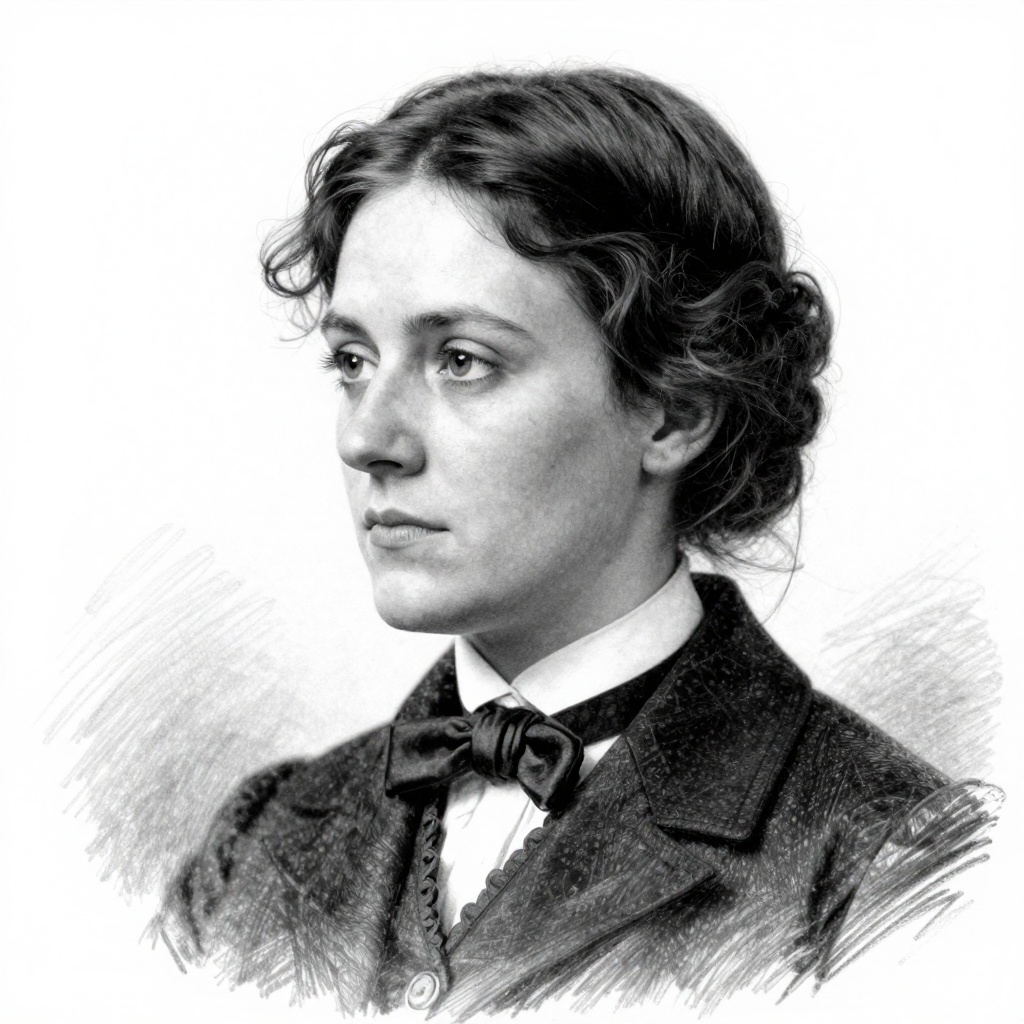
Comments