Wisdom is the right use of knowledge. To know is not to be wise. Many men know a great deal, and are all the g... — Charles Spurgeon

Wisdom is the right use of knowledge. To know is not to be wise. Many men know a great deal, and are all the greater fools for it. There is no fool so great a fool as a knowing fool. But to know how to use knowledge is to have wisdom.

Author: Charles Spurgeon

Insight: You can memorize every productivity hack online and still sabotage yourself—wisdom is knowing which one actually fits your life. The gap between smart people who flounder and ordinary people who thrive? It's not IQ, it's judgment about when and how to apply what you know.

Source: Gleanings Among the Sheaves, p. 12, 1869

Wisdom is the right use of knowledge. To know is not to be wise. Many men know a great deal, and are all the greater fools for it. There is no fool so great a fool as a knowing fool. But to know how to use knowledge is to have wisdom.

Charles SpurgeonGleanings Among the Sheaves, p. 12, 1869

Knowledge without action is just expensive confusion

We live in an age of unlimited information, yet we're somehow drowning in it. You can know that exercise is good for you, understand the science behind it, read countless studies—and still never go to the gym. You can absorb relationship advice from podcasts and books and still sabotage your closest connections. Knowledge sitting in your head untranslated into actual living is just clutter that makes you feel worse about yourself.

The real sting in Spurgeon's observation is recognizing the "knowing fool" in ourselves. He's not talking about ignorant people—he's describing someone who collects information like armor, using it to sound smart or justify their choices without ever actually changing anything. The person who can diagnose exactly what's wrong with their life but never takes a real risk to fix it. Knowing can actually make you more foolish if it just gives you better excuses.

Wisdom, then, is the gap between understanding something and doing something about it. It's the humility to recognize that applying one small thing you've learned beats mastering ten theories you haven't tested. It's knowing when to act despite uncertainty, when to admit what you don't know, and when knowledge itself is just procrastination dressed up as preparation.

Comments

Sign in to leave a comment or reply to one.

Sign in

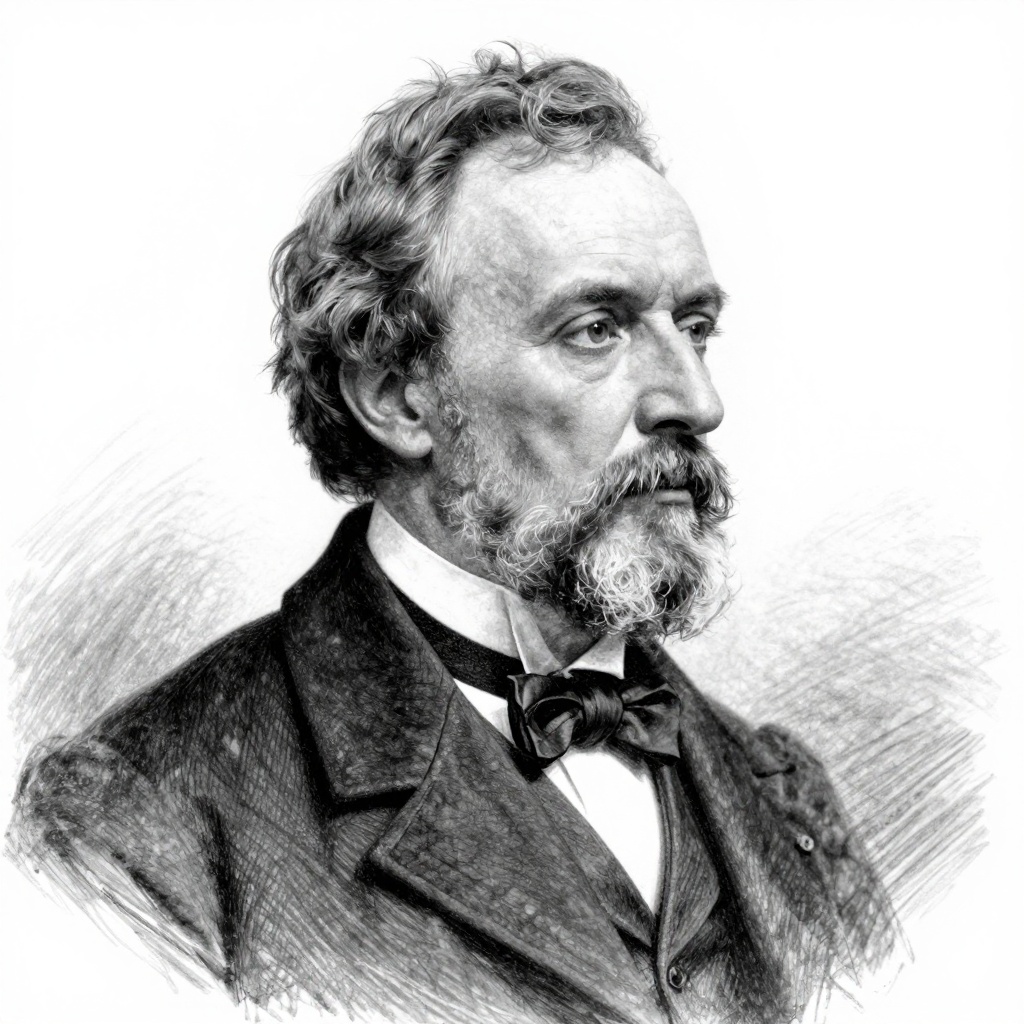
Charles Spurgeon

Charles Spurgeon (1834–1892) was a prominent English preacher and prominent figure in the Reformed Baptist tradition. Known as the "Prince of Preachers," he served as a pastor of the New Park Street Chapel and later the Metropolitan Tabernacle in London. Spurgeon is celebrated for his powerful sermons, extensive writings, and his influence in the evangelical movement during the 19th century.

Graph