Quote · Added 15 February 2026
The greatest enemy to human souls is the self-righteous spirit which makes men look to themselves for salvation.
Filed underself·righteousness·salvation
Quote · Added 15 February 2026
Filed underself·righteousness·salvation
We all know the type—or we've been that type. The person convinced that their way of thinking, their moral choices, their discipline or intelligence will be enough. They don't need help, advice, or forgiveness. They've got it figured out. What Spurgeon is pointing at goes deeper than just annoying confidence: it's the spiritual trap of believing you can fix yourself completely through your own effort.
But here's what makes this relevant beyond Sunday services. Self-righteousness shows up whenever we're secretly competing with others about who's got their life together. It's the exhausting voice that says if you just try harder, read the right books, optimize your routine, you'll finally become whole. The uncomfortable truth is that this approach often leaves people more isolated and fragile, not stronger. When everything depends on your own performance, failure feels catastrophic rather than human.
The insight isn't that effort doesn't matter—it does. It's that the moment you stop looking inward as your primary source and accept help, vulnerability, or even your own limitations, something shifts. You become less defensive, more open to growth that comes from outside yourself. Paradoxically, that surrender might be where actual transformation begins.
1834–1892·lived 57 years
Charles Spurgeon (1834–1892) was a prominent English preacher and prominent figure in the Reformed Baptist tradition. Known as the "Prince of Preachers," he served as a pastor of the New Park Street Chapel and later the Metropolitan Tabernacle in London. Spurgeon is celebrated for his powerful sermons, extensive writings, and his influence in the evangelical movement during the 19th century.
Also by Charles Spurgeon
It is not well to make great changes in old age.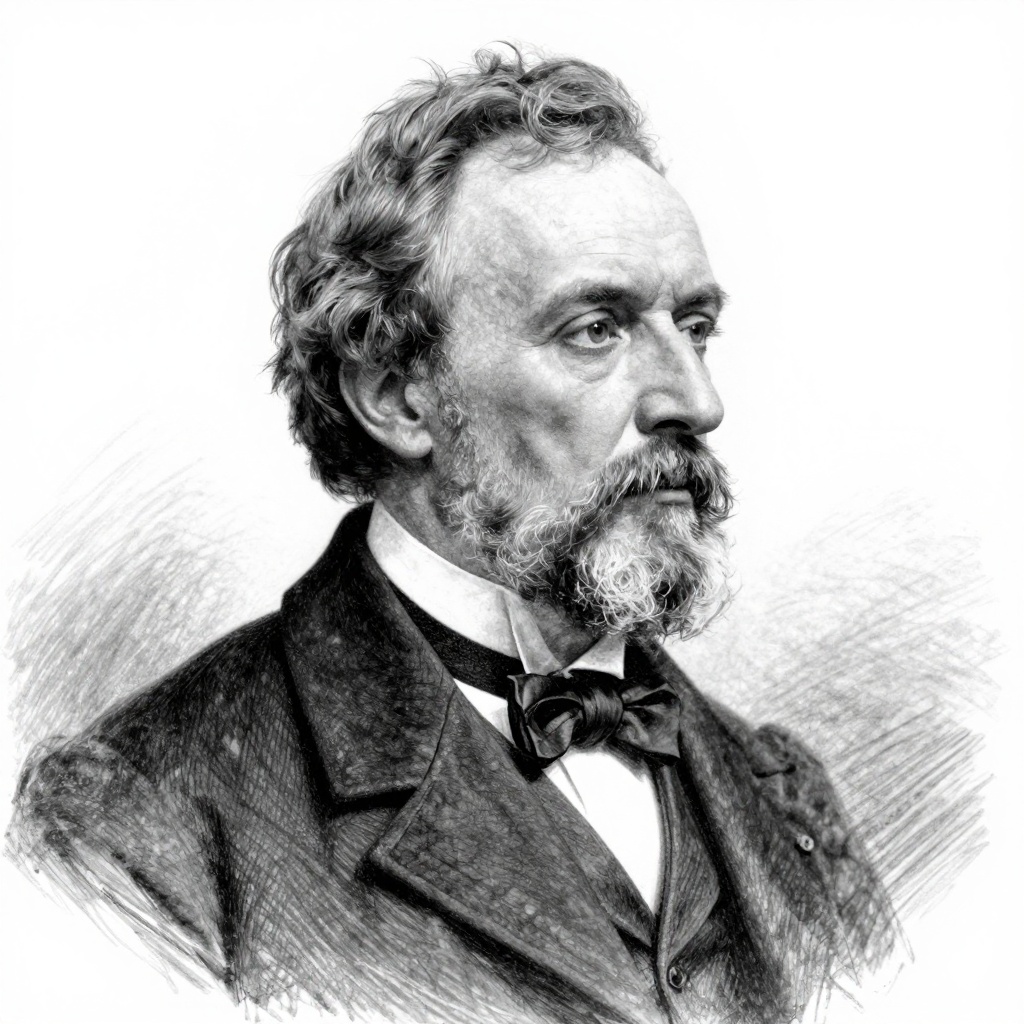
Comments