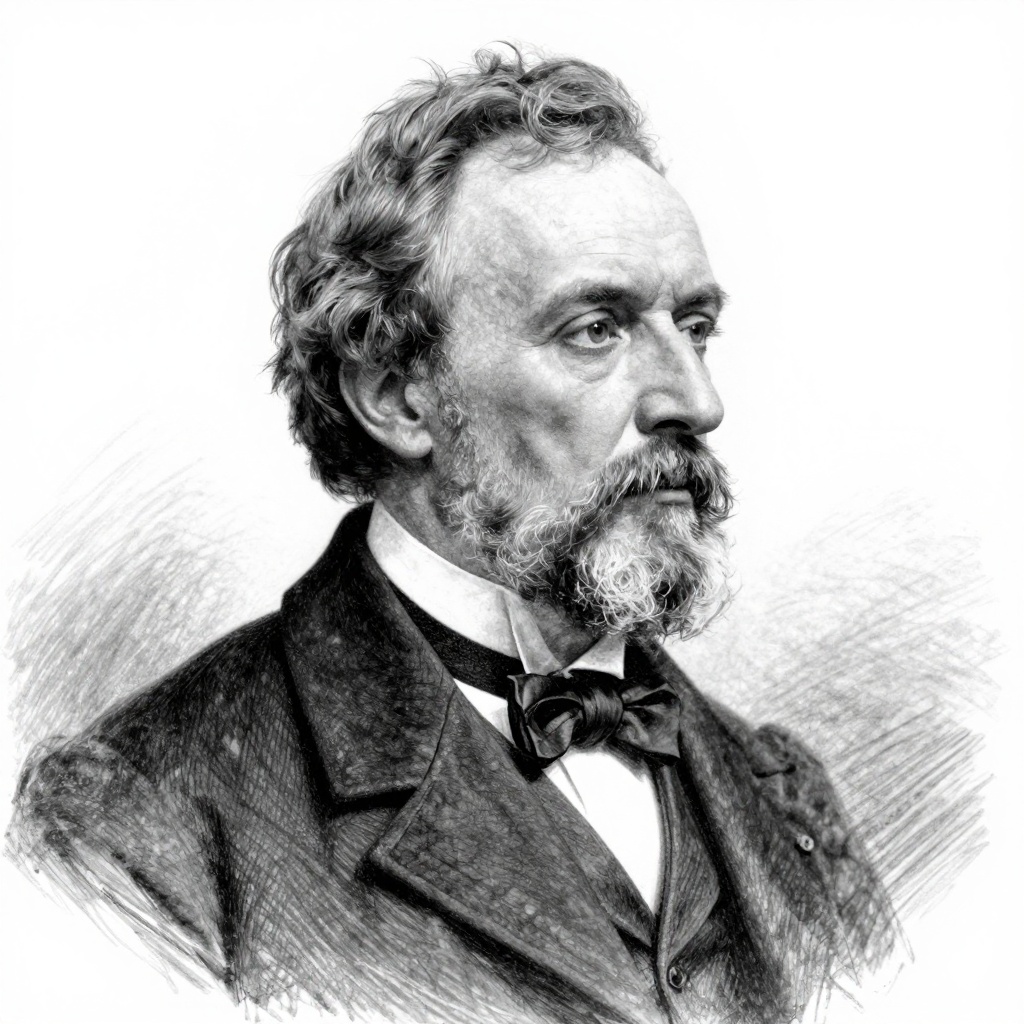
Revenge, lust, ambition, pride, and self-will are too often exalted as the gods of man's idolatry; while holin... — Charles Spurgeon

Revenge, lust, ambition, pride, and self-will are too often exalted as the gods of man's idolatry; while holiness, peace, contentment, and humility are viewed as unworthy of a serious thought.

Author: Charles Spurgeon

Insight: We chase the dramatic stuff—winning arguments, proving we're right, getting even—while treating kindness and peace like boring backup plans. But notice what actually exhausts us: the revenge fantasies, the endless wanting, the need to be seen. The "unworthy" virtues? They're what actually let us sleep at night.

Source: The Treasury of David, Psalm 85, p. 334, 1885

Revenge, lust, ambition, pride, and self-will are too often exalted as the gods of man's idolatry; while holiness, peace, contentment, and humility are viewed as unworthy of a serious thought.

Charles SpurgeonThe Treasury of David, Psalm 85, p. 334, 1885

We celebrate hunger, not peace

We live in a time that celebrates ambition and hunger the way previous centuries celebrated virtue. Every success story we encounter is packaged as the triumph of relentless drive, of someone who wanted something badly enough to take it. The quieter achievements—the person who made peace with their limitations, or chose contentment over the next rung on the ladder—rarely make headlines. There's something deeply unsettling about that gap.

What's interesting is that Spurgeon identified a real trade-off we still face today. The explosive emotions and desires he lists—revenge, lust, ambition—they feel alive and urgent in ways that peace and humility simply don't. They demand action, they generate stories worth telling. You can film ambition. Contentment doesn't have the same narrative energy. So we end up pursuing the dramatic emotions partly because they feel more real, more like proof that we're actually alive and not just coasting.

The catch is that most people who achieve real, lasting satisfaction eventually describe something closer to Spurgeon's "worthier" list. They talk about finally letting go of something, about the strange relief of accepting themselves. But we usually have to burn through quite a bit of the other stuff first—or watch others do it—before that clicks.

Comments

Sign in to leave a comment or reply to one.

Sign in

Charles Spurgeon

Charles Spurgeon (1834–1892) was a prominent English preacher and prominent figure in the Reformed Baptist tradition. Known as the "Prince of Preachers," he served as a pastor of the New Park Street Chapel and later the Metropolitan Tabernacle in London. Spurgeon is celebrated for his powerful sermons, extensive writings, and his influence in the evangelical movement during the 19th century.

Graph