Quote · Added 15 February 2026
Reading
AI generatedYour Identity Gets Built Into Routine
There's something we rarely admit: the older we get, the more our identity becomes wrapped up in routine. We don't just have habits—we ARE our habits. So when Spurgeon warns against great changes in old age, he's touching on something real. A massive life shift isn't just logistically hard; it can feel like erasing yourself.
But here's the twist. This isn't really about age in years—it's about how change works psychologically. When you've spent decades building a life a certain way, your brain has optimized for that path. Suddenly pivoting creates enormous friction, not just practically but emotionally. You lose the scaffolding that held you up. That's exhausting at any stage, but it compounds when you're running on less energy to begin with.
The quote isn't saying never change or stagnate. It's suggesting we might think differently about timing. Small adjustments? Those work. But the kind of change that requires relearning who you are—leaving careers, moving far away, reshaping core relationships—those might land differently if you build toward them gradually rather than springing them on yourself when your reserves are lower. Sometimes wisdom isn't about refusing change; it's about respecting the real cost of transformation and planning accordingly.
The author
All 9 quotes by Charles Spurgeon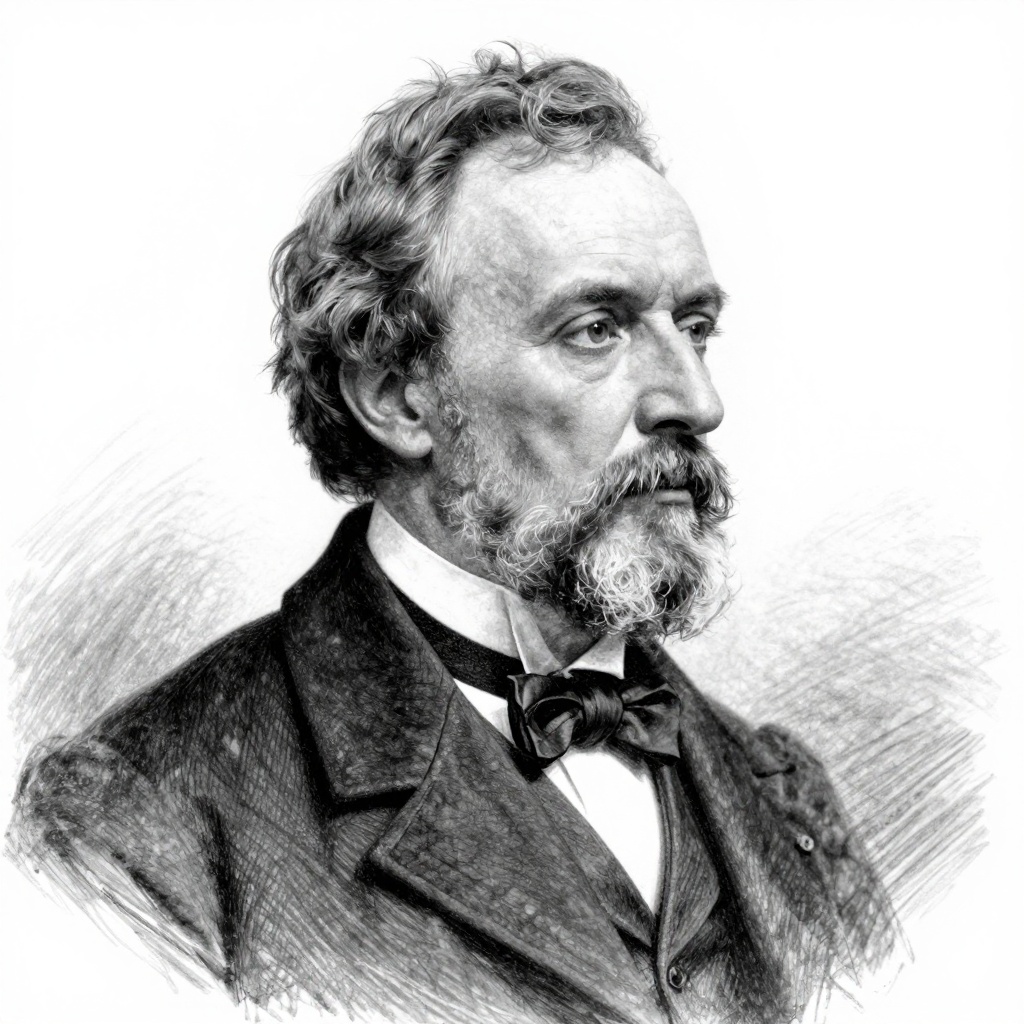
Charles Spurgeon
1834–1892·lived 57 years
Charles Spurgeon (1834–1892) was a prominent English preacher and prominent figure in the Reformed Baptist tradition. Known as the "Prince of Preachers," he served as a pastor of the New Park Street Chapel and later the Metropolitan Tabernacle in London. Spurgeon is celebrated for his powerful sermons, extensive writings, and his influence in the evangelical movement during the 19th century.
Also by Charles Spurgeon
The greatest enemy to human souls is the self-righteous spirit which makes men look to the...
Comments