Quote · Added 14 February 2026
It is not how much we have, but how much we enjoy, that makes happiness.
Filed underhappiness·enjoyment·perspective
Quote · Added 14 February 2026
Filed underhappiness·enjoyment·perspective
We live in a culture that treats happiness like a math problem—if you just earn enough, buy enough, accumulate enough, the equation will finally balance and you'll feel satisfied. But this quote cuts against that lie in a way that feels almost radical once you sit with it.
The real insight is that happiness lives in the experience, not the inventory. Two people can own identical things and feel completely different about their lives. One person with a modest apartment and a close friend group might wake up excited; another in a mansion surrounded by expensive objects might feel hollow. The difference isn't the stuff—it's the attention, presence, and genuine appreciation one person brings to what they have versus the other's constant gaze toward what's missing.
This matters because it means happiness isn't waiting for some future version of your life. It's available now, in how you engage with what's already there. It's the difference between scrolling past a beautiful sunset while thinking about your to-do list and actually stopping to notice it. The happiness isn't contingent on having more; it's contingent on waking up to what you already possess. That's both humbling and liberating—it means the thing you're chasing might already be within reach.
1834–1892·lived 57 years
Charles Spurgeon (1834–1892) was a prominent English preacher and prominent figure in the Reformed Baptist tradition. Known as the "Prince of Preachers," he served as a pastor of the New Park Street Chapel and later the Metropolitan Tabernacle in London. Spurgeon is celebrated for his powerful sermons, extensive writings, and his influence in the evangelical movement during the 19th century.
Also by Charles Spurgeon
The greatest enemy to human souls is the self-righteous spirit which makes men look to the...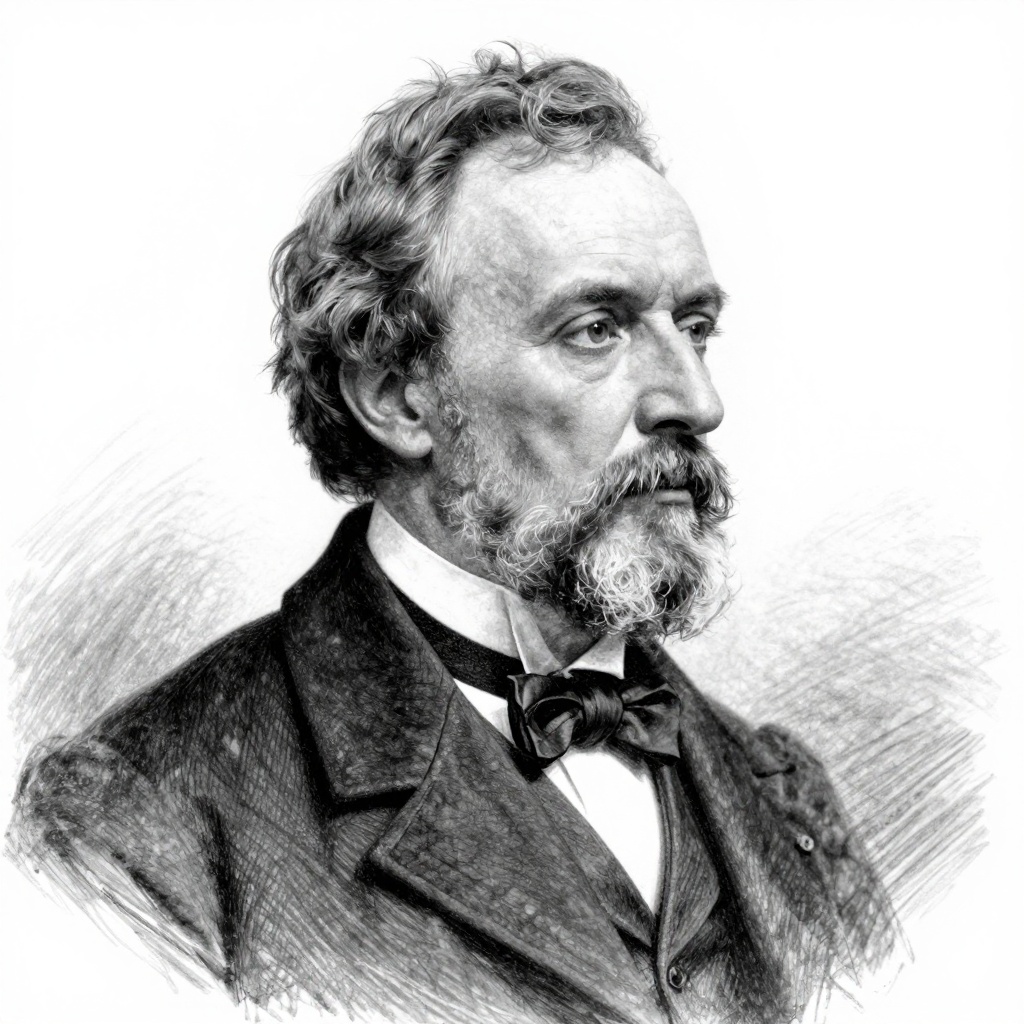
Comments