Quote · Added 14 February 2026
By perseverance the snail reached the ark.
Charles SpurgeonSermons, Vol. 1, p. 123, 1880
Filed undersnail·perseverance·achievement
Quote · Added 14 February 2026
Filed undersnail·perseverance·achievement
We live in a world obsessed with speed. The fastest route, the quickest win, the overnight success story—these are what we celebrate. But there's something quietly radical about this image of a snail inching toward the ark. It suggests that the pace doesn't matter nearly as much as the direction and the refusal to stop.
The real insight here isn't that slow is better. It's that consistency outlasts almost everything else. That snail didn't have the wings of a bird or the legs of a deer. It had only its body and its stubbornness. What if the difference between people who reach their destinations and people who don't isn't talent or opportunity, but simply the decision to keep moving, no matter how slowly? Most of us don't fail because we can't sprint. We fail because we stop, convinced that if we can't move fast, we might as well not move at all.
The uncomfortable truth is that perseverance is genuinely unglamorous. There's no highlight reel for showing up again tomorrow, or the day after that. But watch what happens over months, over years. The snail arrives while everything flashier has either burned out or wandered off course.
1834–1892·lived 57 years
Charles Spurgeon (1834–1892) was a prominent English preacher and prominent figure in the Reformed Baptist tradition. Known as the "Prince of Preachers," he served as a pastor of the New Park Street Chapel and later the Metropolitan Tabernacle in London. Spurgeon is celebrated for his powerful sermons, extensive writings, and his influence in the evangelical movement during the 19th century.
Also by Charles Spurgeon
The greatest enemy to human souls is the self-righteous spirit which makes men look to the...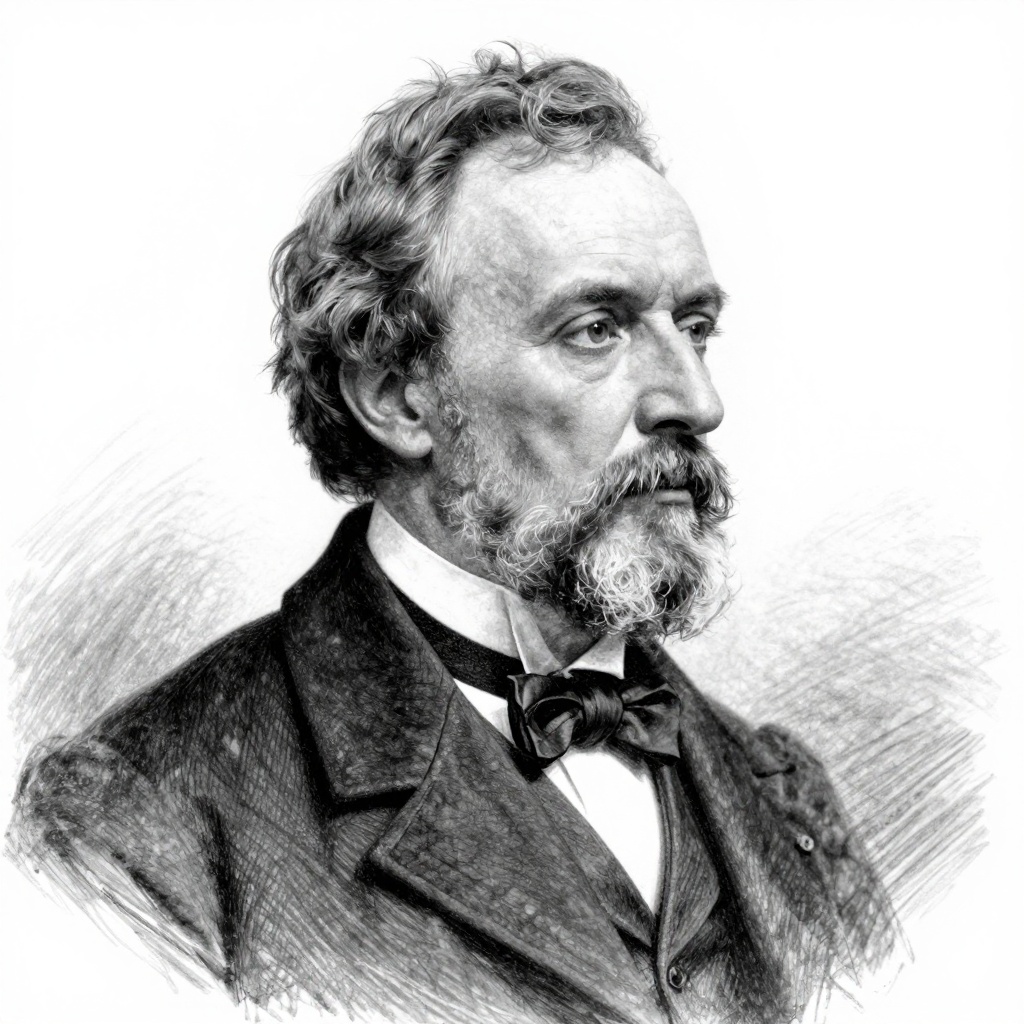
Comments