Quote · Added 14 February 2026
Anxiety does not empty tomorrow of its sorrows, but only empties today of its strength.
Charles SpurgeonSermons Preached in Union Chapel, Manchester, p. 1859
Filed underanxiety·strength·resilience
Quote · Added 14 February 2026
Filed underanxiety·strength·resilience
We've all felt this—lying awake at 3 AM running through worst-case scenarios, feeling drained before anything bad has even happened. Anxiety is oddly efficient at stealing our energy in the present moment while leaving the future problem completely untouched. If something difficult is actually coming, we'll still have to face it. But we've already paid a price twice: once in the worry, and again when the real thing arrives.
The counterintuitive part is that this doesn't mean we should just stop worrying. Sometimes caution matters. The real insight is recognizing when you've crossed the line from useful planning into pure energy drain. There's a moment when another mental rehearsal stops being practical and starts being a tax on today's focus, mood, and ability to actually help anyone—including your future self. That person tomorrow who has to deal with the real problem? They'd probably want today's version to have slept well and stayed steady, not spent everything anxiously.
The choice isn't between worry and carelessness. It's between directing your energy toward what you can actually control right now, or letting anxiety burn through your strength on a problem that exists only in your head. One prepares you. The other just leaves you tired.
1834–1892·lived 57 years
Charles Spurgeon (1834–1892) was a prominent English preacher and prominent figure in the Reformed Baptist tradition. Known as the "Prince of Preachers," he served as a pastor of the New Park Street Chapel and later the Metropolitan Tabernacle in London. Spurgeon is celebrated for his powerful sermons, extensive writings, and his influence in the evangelical movement during the 19th century.
Also by Charles Spurgeon
The greatest enemy to human souls is the self-righteous spirit which makes men look to the...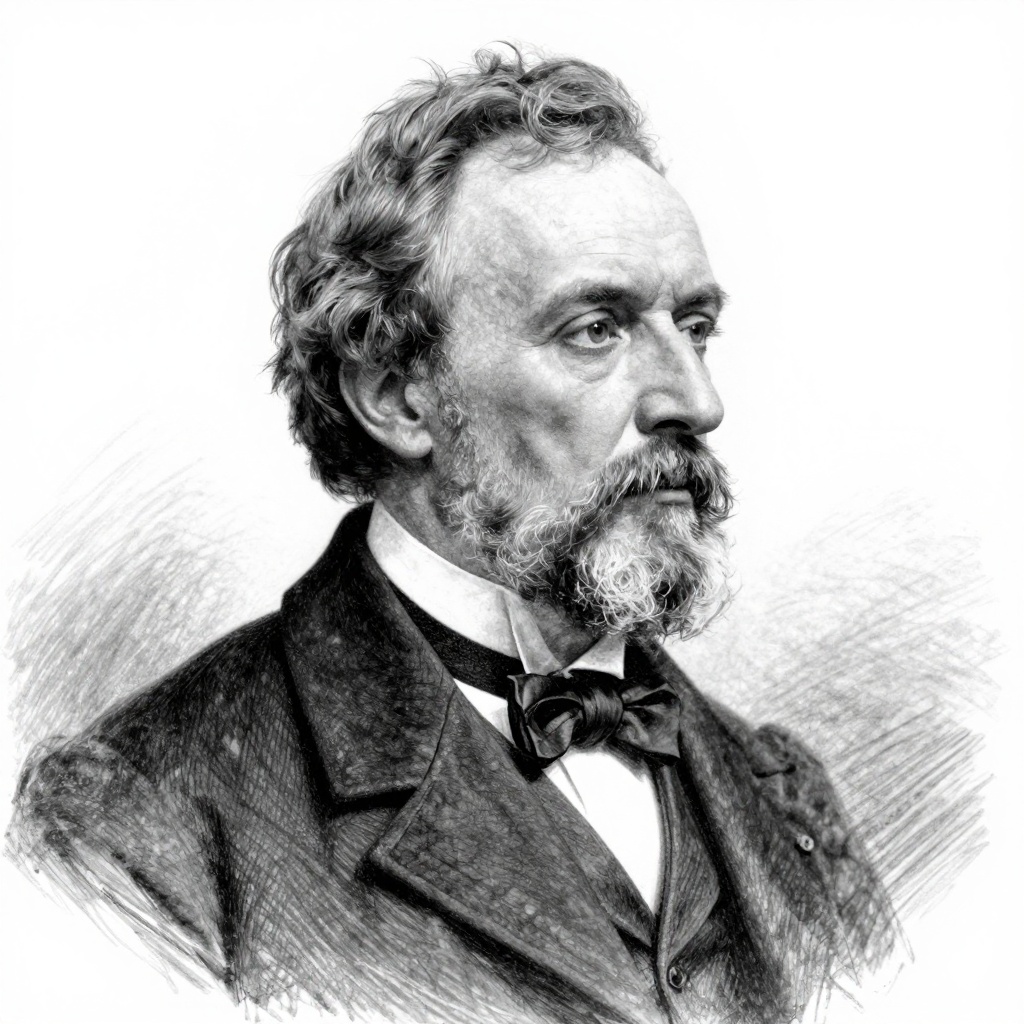
Comments