Quote · Added 26 February 2026
Happiness is not the absence of problems, but the ability to deal with them.
Filed underhappiness·resilience·perspective
Quote · Added 26 February 2026
Filed underhappiness·resilience·perspective
We spend a lot of energy trying to engineer perfect lives—the right job, the right relationship, the right circumstances—as if happiness is waiting on the other side of getting everything to line up. But anyone who's actually achieved something they wanted knows the feeling: you get there, and there's a new problem waiting. The real insight isn't that life stays messy. It's that this is fine. Actually better than fine.
What changes your baseline happiness isn't removing friction from your life. It's developing what you might call resilience, but it's really just the skill of handling what comes. This means knowing you can sit with discomfort, figure things out, ask for help, bounce back from mistakes. It means believing you're capable. That's a radically different feeling than waiting for the perfect situation to finally arrive.
The tricky part is that this ability doesn't come from avoiding challenges—it comes from having faced a few and survived them. So the people who seem most grounded aren't usually those who've had easier lives. They're the ones who've walked through something hard and learned they could handle it. That's not depressing; it's actually liberating.
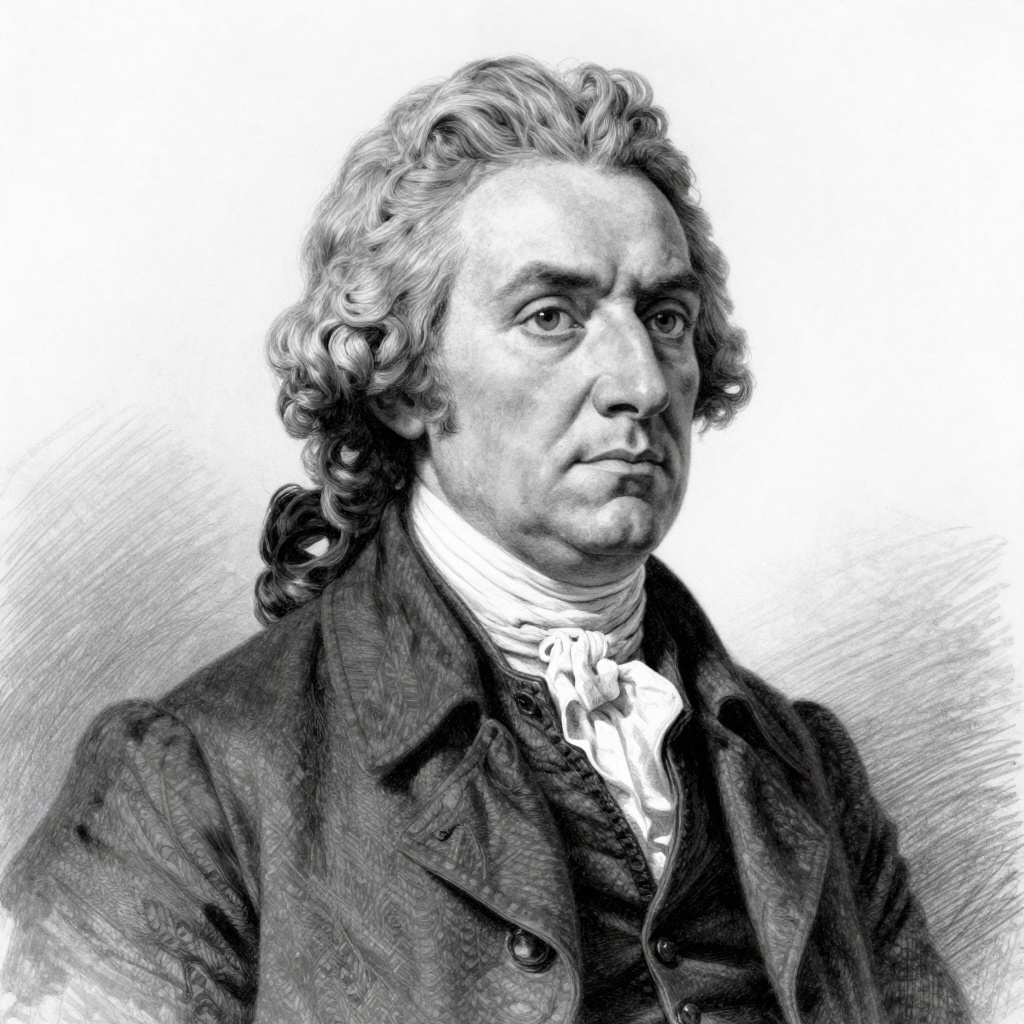
1689–1755·lived 66 years
Charles de Montesquieu was a French political philosopher born on January 18, 1689, and died on February 10, 1755. He is best known for his works "The Spirit of the Laws," in which he explored government, sociology, and the separation of powers, significantly influencing modern political thought and the foundations of democratic governance. Montesquieu's ideas were pivotal during the Enlightenment, shaping concepts of liberty and justice.
Comments