Quote · Added 3 October 2023
A man who dares to waste one hour of time has not discovered the value of life.
Charles DarwinThe Life and Letters of Charles Darwin, Volume I, Chapter VI: The Voyage, 1887
No ratings yet
Quote · Added 3 October 2023
Most of us know that time matters—we feel it when we're rushing, when we've lost a whole afternoon to scrolling, when we realize we haven't called someone in months. But there's a difference between knowing something intellectually and actually feeling its weight. Darwin's point isn't that you need to optimize every minute or feel guilty about rest. It's that understanding time's true scarcity changes how you move through the world.
The interesting part is what "waste" really means. It's not about productivity in the modern sense. Darwin spent hours observing finches and barnacles with obsessive attention. For him, wasting time meant doing things that didn't align with what he actually cared about—the things that made him feel alive and purposeful. That's different from taking a nap or having a lazy afternoon. It's more about the gap between how you spend your hours and what you genuinely value.
The value of life isn't abstract. It shows up in what you choose to pay attention to, how you spend Tuesday morning, who you make time for. When you catch yourself doing something out of habit or obligation rather than genuine interest, that's when you might feel the sting of Darwin's insight. It's an invitation to ask: am I spending my time like someone who knows it's limited, or like I have forever?
1809–1882·lived 73 years
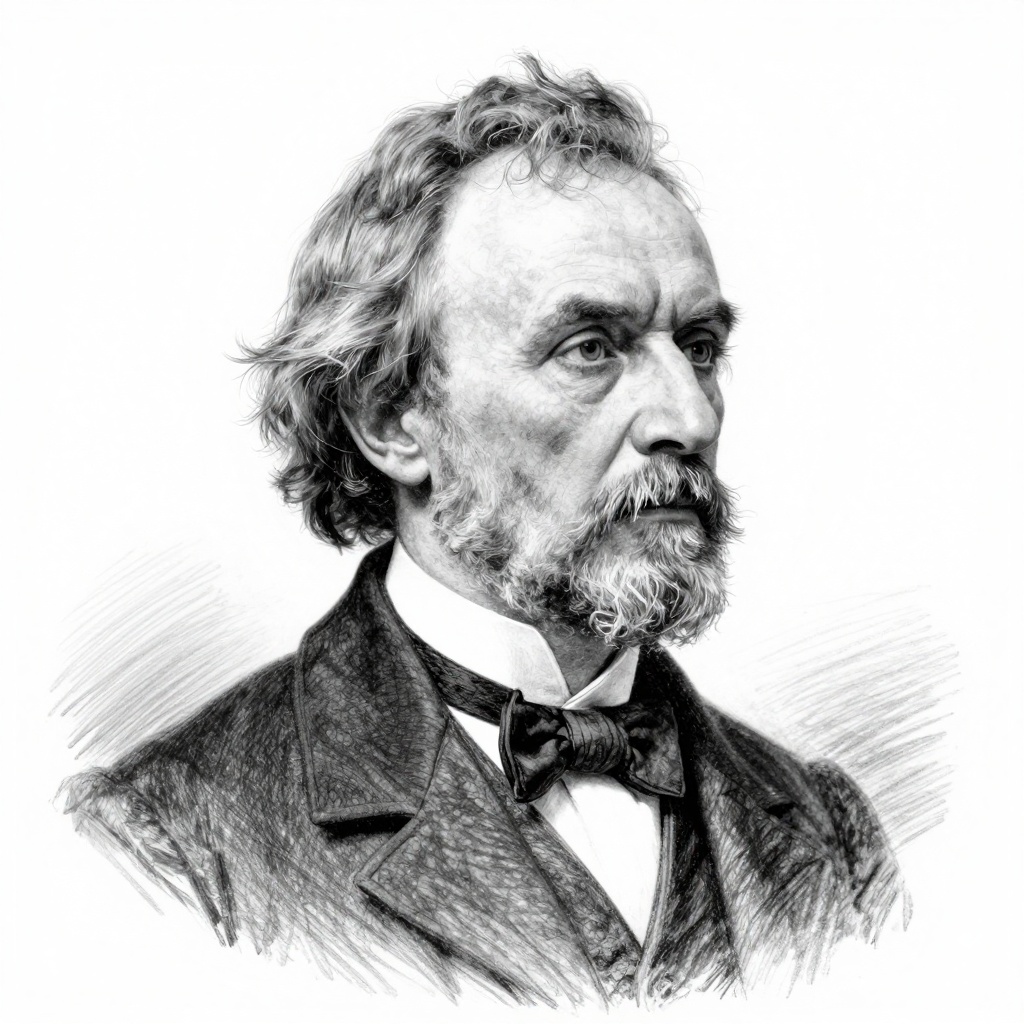
Charles Darwin (1809–1882) was an English naturalist and biologist, known for his groundbreaking work in the theory of evolution. His most famous work, "On the Origin of Species," introduced the concept of natural selection, revolutionizing our understanding of the development of species over time.
Comments