Quote · Added 15 February 2026
Any young man who is unmarried at the age of twenty one is a menace to the community.
Filed underyoungman·community·responsibility
Quote · Added 15 February 2026
Filed underyoungman·community·responsibility
There's something oddly funny about how this quote lands today—not because it's true, but because it reveals how completely a culture's "common sense" can flip. In Brigham Young's 1800s frontier world, unmarried men actually were considered destabilizing. Without family ties, they were thought to be rootless, reckless, more likely to cause trouble. Marriage was a civic duty, not just a personal choice.
But the real insight hiding here isn't about marriage at all. It's about how every generation creates urgent rules around adulthood—and how those rules say more about what society fears than what actually matters. Today we've swapped the anxiety: now we worry about people marrying too young, or pressure to settle down before they're ready. We've decided that unmarried adults are fine, even admirable. Which is probably closer to the truth, but notice we still can't resist turning personal life choices into moral statements.
The uncomfortable part is recognizing this pattern in ourselves. We all do it—deciding that the "right" way to be an adult requires certain boxes checked by certain ages. A good reminder that whatever feels obviously true about how people should live might look pretty quaint in fifty years.
1801–1877·lived 76 years
Brigham Young was an American religious leader and the second president of The Church of Jesus Christ of Latter-day Saints (LDS Church), serving from 1847 until his death in 1877. He is well known for leading the Mormon pioneer migration to the Salt Lake Valley and for establishing Salt Lake City as a center for the Mormon community. Young played a crucial role in the development of the Utah Territory and is often referred to as the "American Moses" for his leadership during this pivotal period in Mormon history.
Also by Brigham Young
Love the giver more than the gift.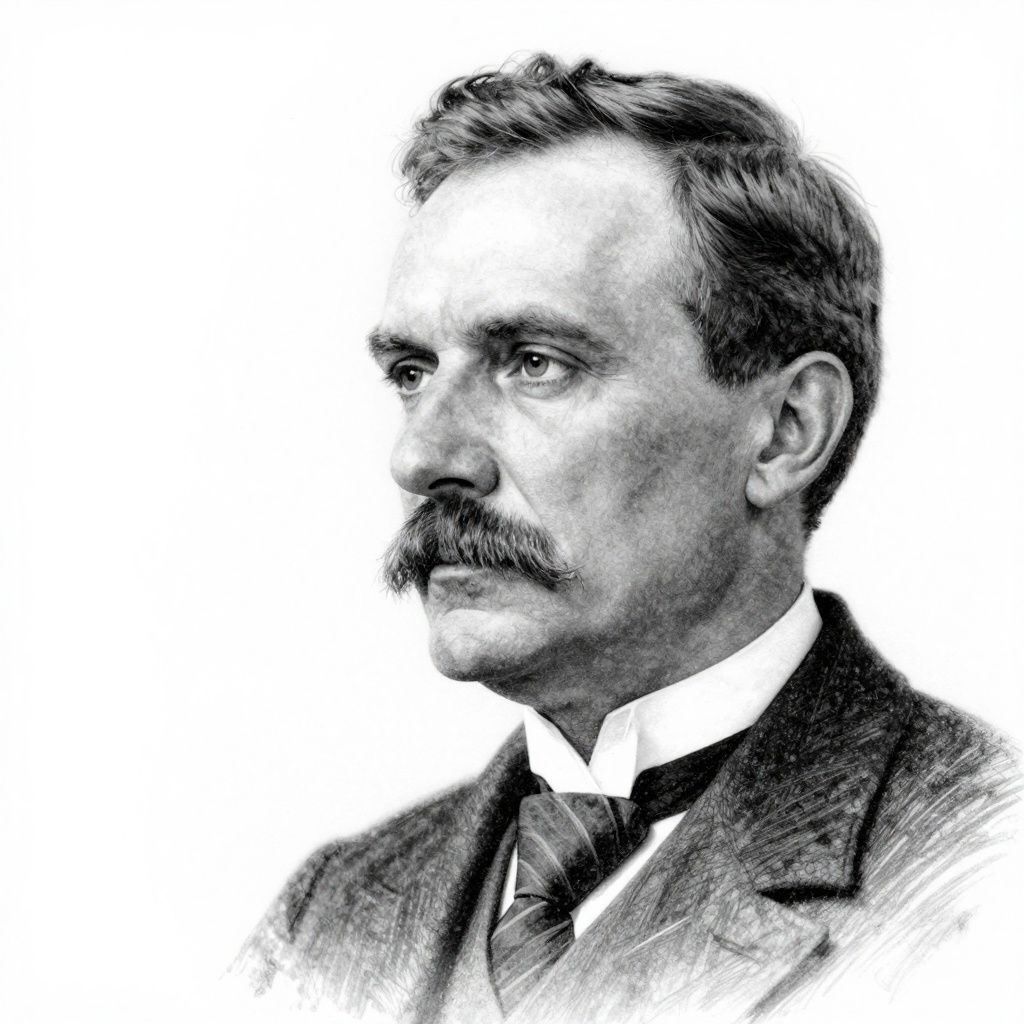
Comments