Quote · Added 28 August 2023
There are darknesses in life, and there are lights. You are one of the lights.
Bram StokerDracula, Chapter 2, 1897
Quote · Added 28 August 2023
Most of us walk around thinking we're pretty ordinary. We notice the big gestures—the firefighter, the activist, the person who makes headlines. What we miss is how often we're someone's light without even knowing it. That text you sent when someone was spiraling. The way you listened instead of fixing. The time you showed up when you didn't have to. These moments feel small in the moment, almost incidental, but they land differently on the receiving end.
The real insight here is that being a light doesn't require heroics or perfection. It requires showing up as yourself—flawed, uncertain, still figuring it out—and letting that be enough. The darkness Stoker mentions isn't just external; it's the internal kind too. Loneliness, doubt, the feeling that nobody really gets it. When someone stays present with you in that, they're not solving anything. They're just refusing to let you sit in it alone. That's the light.
The dangerous part is waiting until you feel qualified to be one. We postpone kindness, connection, and showing up because we think we need to have it all together first. But the people who've meant the most to us rarely had it all together either. They just chose to be present anyway. That choice, that willingness to be someone's light even when you're managing your own darkness, is available to you right now.
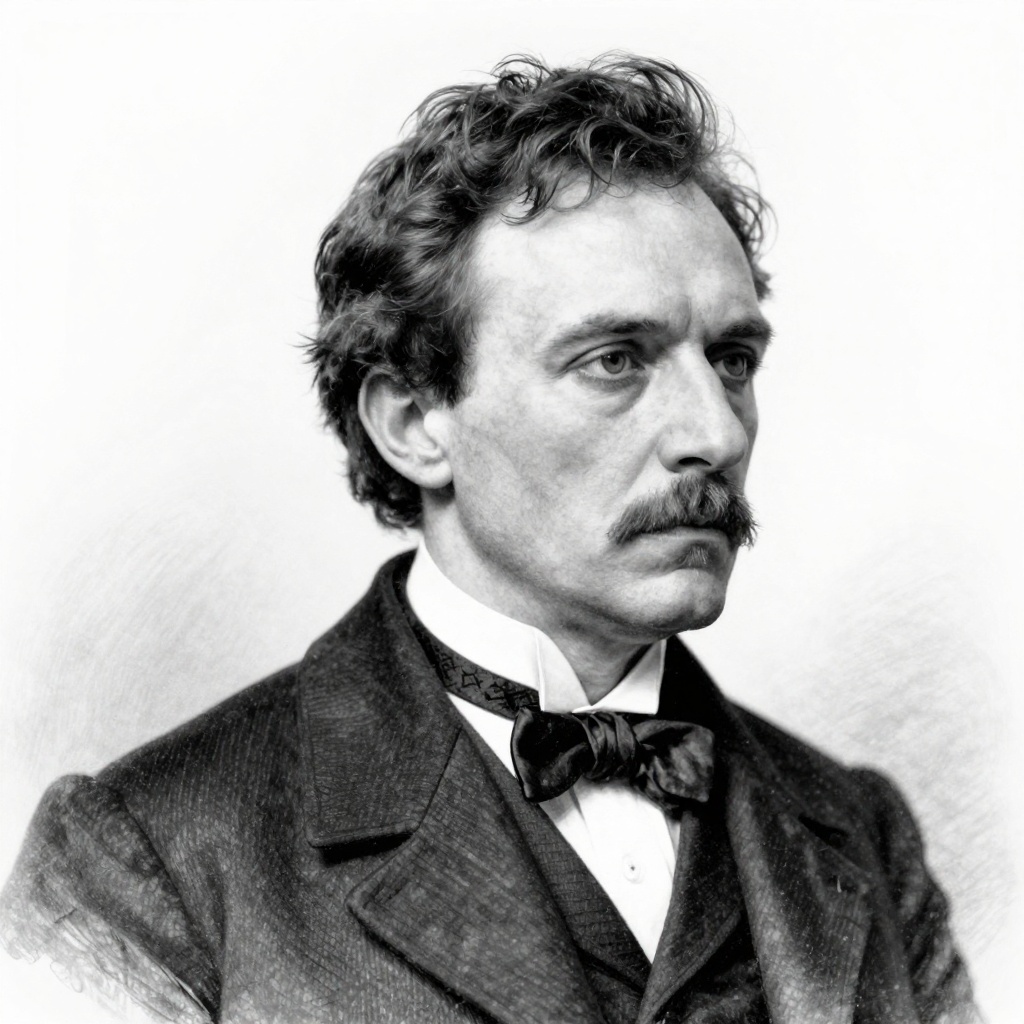
1847–1912·lived 64 years
Bram Stoker was an Irish novelist and short story writer, best known for his 1897 Gothic horror novel "Dracula." Born on November 8, 1847, in Dublin, Ireland, he worked as a theater manager and wrote several other novels and works of fiction, but none achieved the enduring fame of "Dracula," which has become a classic in the horror genre and has had a significant impact on vampire mythology in literature and popular culture. Stoker passed away on April 20, 1912.
Comments