Quote · Added 15 February 2026
Reading
AI generatedStop counting, start noticing
There's something quietly rebellious about refusing to count the years. Most of us are trained early to track time like currency—to celebrate milestones, dread round numbers, and measure our worth against an invisible timeline. We internalize "I should be further along by now" or "I'm running out of time" so completely that it feels like simple realism rather than a choice.
But Ausonius is suggesting something different: that the obsession with numbers itself ages us. Not the passing of time, but the anxiety about it. When you stop counting and start noticing instead—the steadiness that comes from experience, the ease that familiarity brings, the texture of knowing yourself better—you're actually experiencing what wisdom traditionally meant. A seventy-year-old who's stopped worrying about being seventy often feels younger than a forty-year-old constantly bracing against the clock.
The trick is that this isn't about denying age or pretending you're younger. It's about letting go of the specific dread attached to numbers and instead paying attention to what time actually gives: deeper relationships, clearer judgment, the freedom that comes from caring less about performance. That shift in focus—from counting backward with dread to noticing what's accumulated with gratitude—might be the closest we get to staying young.
The author
All 2 quotes by Ausonius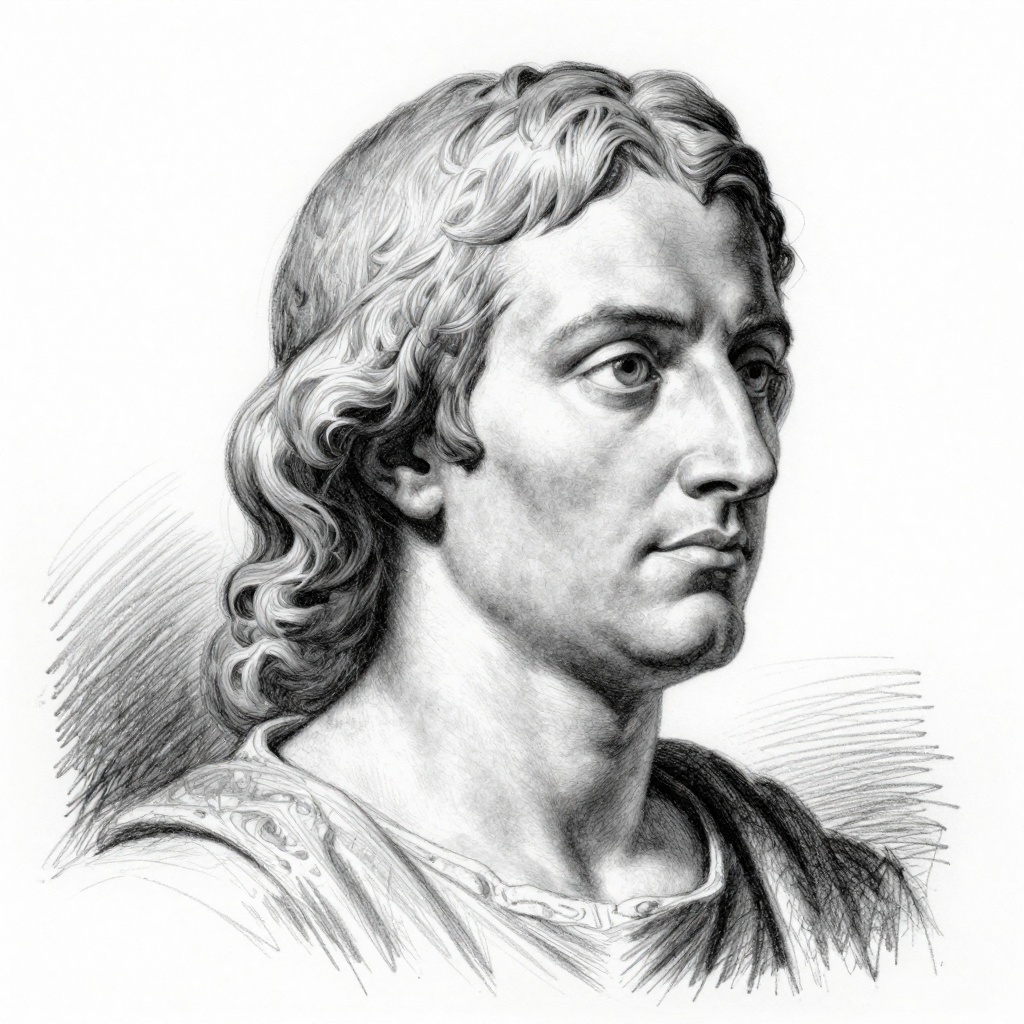
Ausonius
d. 394
Decimus Magnus Ausonius was a Roman poet and professor born around 310 AD in Bordeaux, Gaul. He is best known for his literary works, including the "Mosella," a poem celebrating the Moselle River, and his contributions to the genre of epistolary poetry. Ausonius served as a tutor to the future Emperor Gratian and held various political positions, including consul.
Also by Ausonius
Forgive many things in others; nothing in yourself.
Comments