Quote · Added 17 February 2026
The sacred formula of positivism: love as a principle, the order as a foundation, and progress as a goal.
Filed underlove·progress·positivism
Quote · Added 17 February 2026
Filed underlove·progress·positivism
Most of us sense that pure cheerfulness isn't enough—we need something to hold us in place while we're trying to improve. Comte's formula captures this tension perfectly. Love and progress are the exciting parts, the reasons we get out of bed. But order? That feels restrictive, almost boring. Yet without it, our good intentions scatter. A parent knows this: you can deeply love your kids and want them to flourish, but without consistent routines and boundaries, nothing actually grows.
The surprising part is that order doesn't kill progress—it enables it. Think about anything you've genuinely gotten better at, whether it's learning an instrument, building a business, or managing your mental health. The breakthroughs happened inside structures you committed to, not despite them. The people who transform their lives often describe finding unexpected freedom once they stopped fighting their own systems.
This doesn't mean rigid, joyless efficiency. It means recognizing that love works best when it's anchored in something stable, that progress without a framework just becomes exhausting scrambling. The formula sounds dry on its face, but it's actually describing how real, lasting change happens—not through inspiration alone, but through love channeled into shape, directed toward something better.
1798–1857·lived 59 years
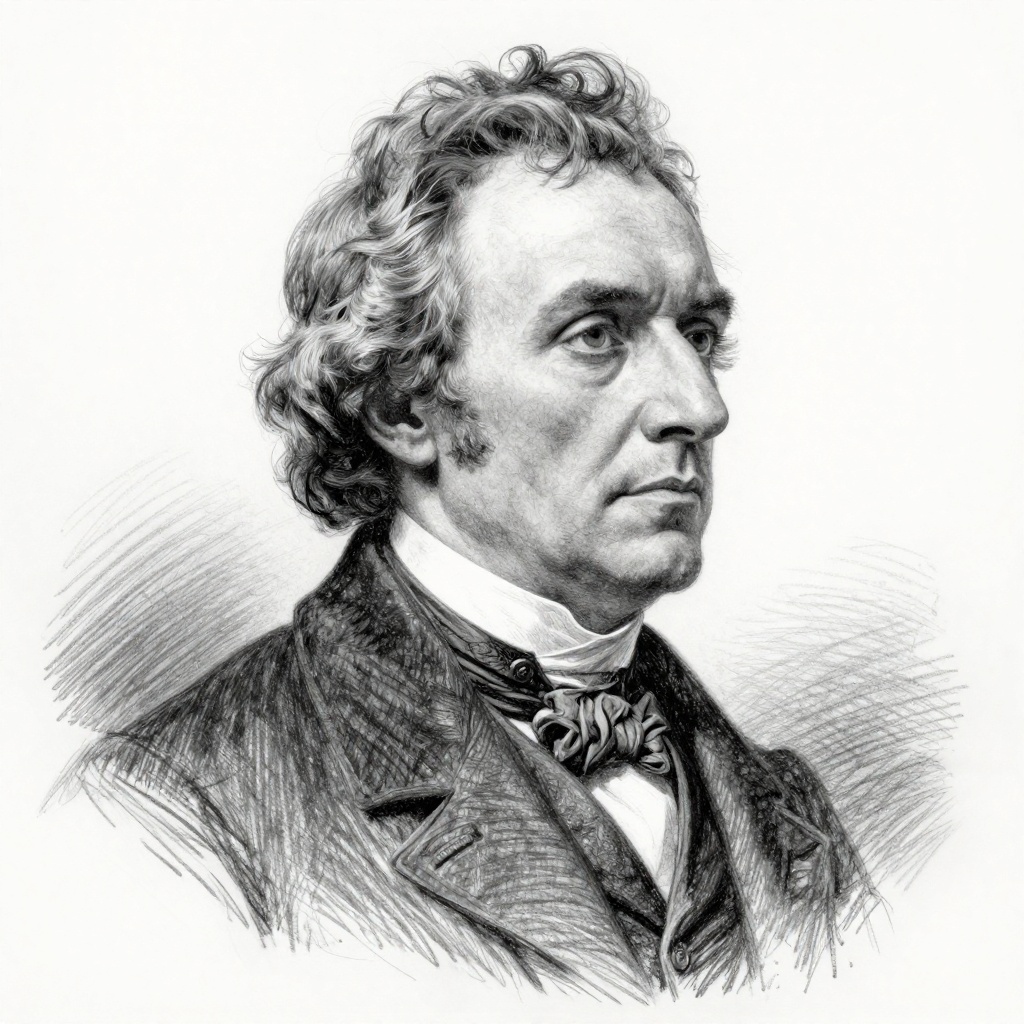
Auguste Comte was a French philosopher known for being the founder of positivism and sociology. Born on January 19, 1798, he sought to establish a scientific approach to social issues, emphasizing the use of observation and experimentation. His influential works, particularly "Cours de philosophie positive," laid the groundwork for the study of society and the application of scientific methods in the social sciences.
Comments