Quote · Added 9 February 2026
The greatest of follies is to sacrifice health for any other kind of happiness.
Arthur SchopenhauerThe Wisdom of Life, Chapter II, 1851
Quote · Added 9 February 2026
We've all done the math wrong at least once. Skip the gym for a promotion opportunity. Work through the night on a project. Ignore warning signs because you're too busy, too stressed, or too committed to something that feels important right now. In the moment, the trade-off makes sense—health seems like the one resource you can always get back to later.
But here's what makes this insight quietly radical: health isn't actually renewable in the same way money or opportunities are. You can earn another paycheck. You can find another job or relationship. But a decade of interrupted sleep, chronic stress, or a body breaking down under neglect doesn't just vanish once you finally have time. The damage compounds silently, and by then the other happiness you were chasing often feels hollow anyway.
The non-obvious part is that this isn't really about being lazy or prioritizing the gym. It's about recognizing that health is the foundation everything else gets built on. Without it, promotions feel like running on empty, relationships lack presence, and achievements taste like ashes. Schopenhauer wasn't saying happiness doesn't matter—he was saying that sacrificing the platform you stand on to reach for something just out of reach is the kind of foolishness that whispers rather than shouts.
1788–1860·lived 72 years
Arthur Schopenhauer was a German philosopher known for his pessimistic philosophy that emphasized the inherent suffering of existence. He is renowned for his work "The World as Will and Representation," which had a significant influence on 19th-century philosophy and later existential thought.
Also by Arthur Schopenhauer
The shortness of life, so often lamented, may perhaps be the very best thing about it.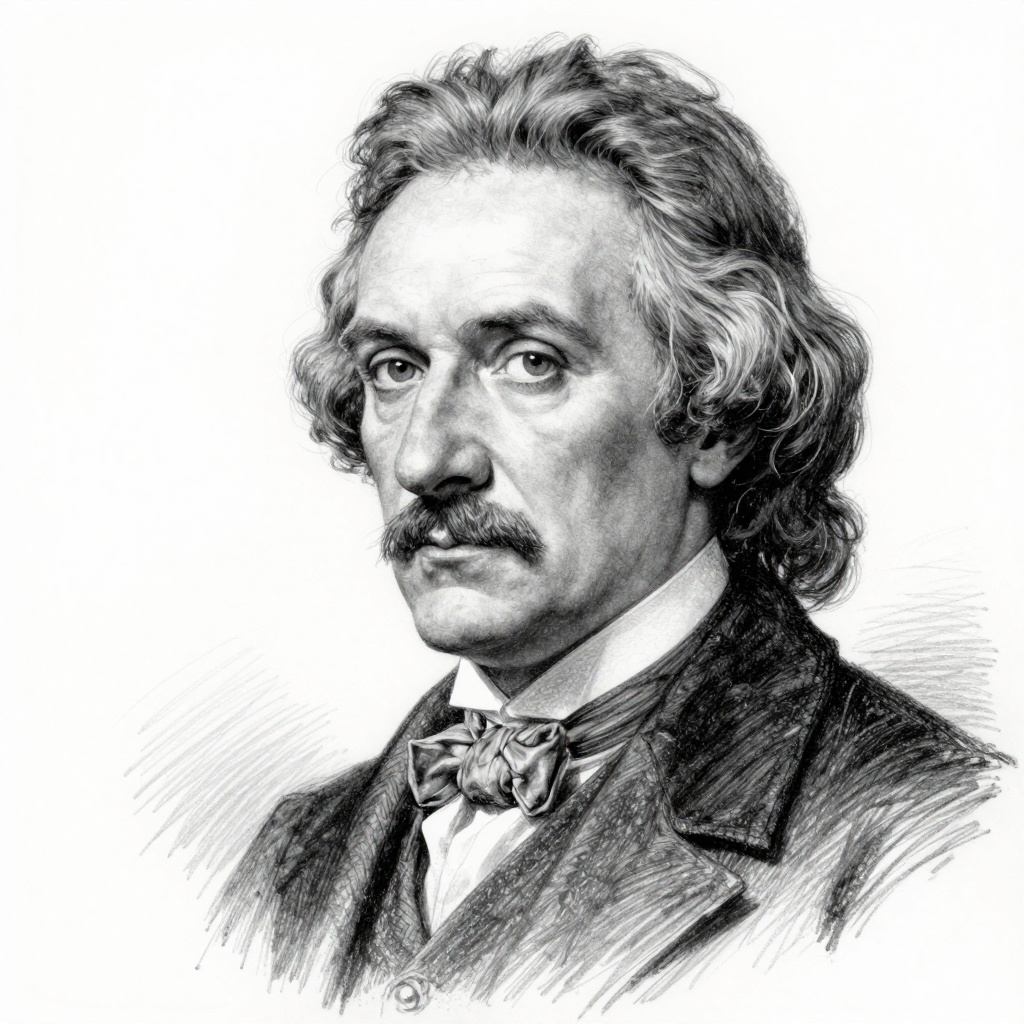
Comments