Quote · Added 6 February 2024
Talent hits a target no one else can hit; Genius hits a target no one else can see.
Arthur SchopenhauerParerga and Paralipomena, Vol. 1, p. 203, 1851
Quote · Added 6 February 2024
We've all known talented people—the ones who excel at what everyone agrees is worth excelling at. They're disciplined, they practice, they master the rules of the game. But then there's that rarer thing: someone who sees a problem, an opportunity, or a direction that nobody else even registered as existing yet. They're not playing the same game better; they're playing a different game entirely.
The tricky part is that genius often looks wasteful or wrong in the moment. When someone's pursuing a target nobody else can see, they look obsessive, confused, or stubborn. They might be working on something that seems pointless because the value isn't obvious yet. Talent gets immediate validation—you can point to the trophies, the skills, the results. Genius has to survive years of people not understanding why it matters.
What makes this distinction useful is that it reframes struggle. If you're working toward something people don't yet see or value, that's not necessarily a sign you're on the wrong track. It might mean you're doing something genuinely original. The catch, of course, is knowing the difference between seeing a real target and just being lost. That's the lonely part of trying to do something new.
1788–1860·lived 72 years
Arthur Schopenhauer was a German philosopher known for his pessimistic philosophy that emphasized the inherent suffering of existence. He is renowned for his work "The World as Will and Representation," which had a significant influence on 19th-century philosophy and later existential thought.
Also by Arthur Schopenhauer
The shortness of life, so often lamented, may perhaps be the very best thing about it.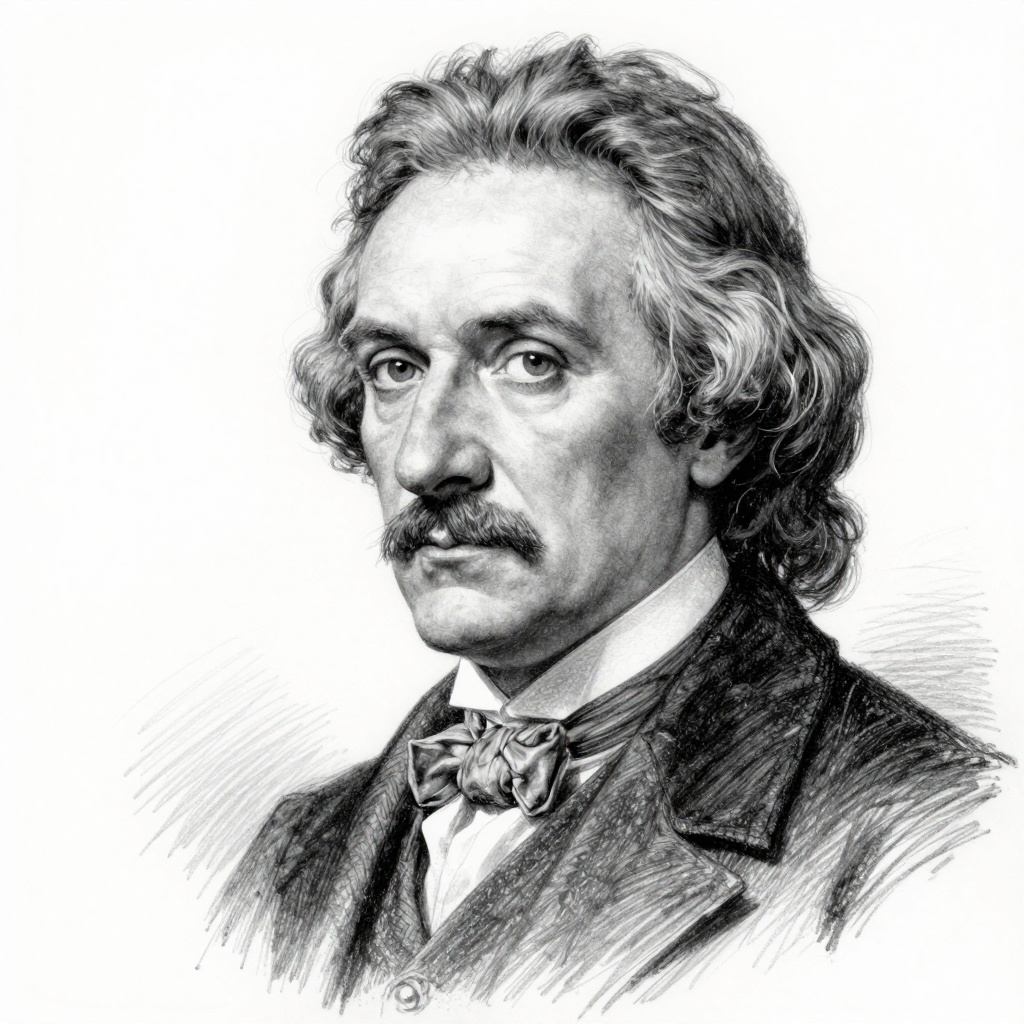
Comments