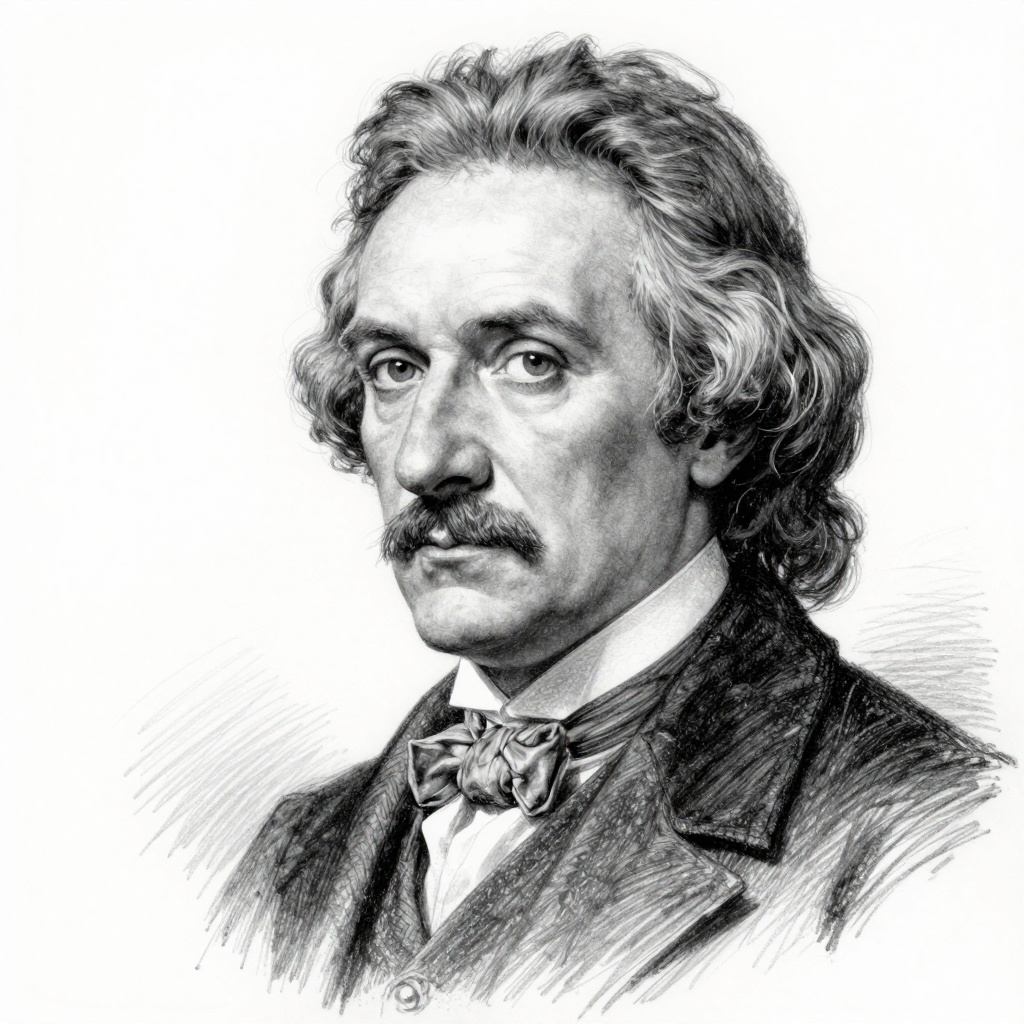
Money is human happiness in the abstract; he, then, who is no longer capable of enjoying human happiness in th... — Arthur Schopenhauer
Money is human happiness in the abstract; he, then, who is no longer capable of enjoying human happiness in the concrete devotes himself utterly to money.
Author: Arthur Schopenhauer
Insight: There's something almost heartbreaking in this observation if you sit with it. Schopenhauer is describing a specific kind of emptiness: the person who's stopped connecting with actual joy—real conversation, meaningful work, genuine pleasure—and has replaced it all with the pursuit of wealth. Money becomes the stand-in when the real thing feels out of reach. But here's the subtle part most people miss: this isn't really about greed in the traditional sense. It's about what happens when you've been hurt, disappointed, or burnt out enough that chasing concrete happiness feels too risky. Money is safer. It's quantifiable. It won't reject you or let you down. So people work themselves into burnout for numbers on a screen, telling themselves it's temporary, it's necessary, it's the path to happiness. Except the path never actually arrives. The uncomfortable truth is that this describes more of us than we'd like to admit. Not necessarily the ultra-wealthy, but the person staying late at work instead of calling a friend, or scrolling through their account balance instead of doing something that actually makes them feel alive. The antidote isn't rejecting money—it's remembering that it's always meant to be a tool for a life, never the destination itself.
Source: Essays and Aphorisms, On the Sufferings of the World