Quote · Added 17 August 2023
Every man takes the limits of his own field of vision for the limits of the world.
Arthur SchopenhauerParerga and Paralipomena, Volume 1, 1851
Filed undervision·perception·limitation
Quote · Added 17 August 2023
Filed undervision·perception·limitation
We're all walking around convinced we've seen the full picture. The neighborhood we know well becomes, in our minds, representative of how neighborhoods work everywhere. The way our family handles conflict feels like the universal human default. Our career path seems like the obvious one everyone should follow. We mistake familiarity for completeness.
This matters because it makes us dangerously confident in our judgments. We dismiss someone's different approach as clearly wrong, when really we've just never needed to operate that way. We give advice with certainty that doesn't match our actual experience. We assume our struggles are universal when they're often just the particular struggles of our particular corner. The person who grew up poor and the person who grew up wealthy can both feel completely right about how the world works, each blind to the experiences that shaped the other.
The non-obvious part? Knowing this doesn't actually fix it. You can intellectually accept that your vision is limited and still live as though it isn't. The real work is cultivating genuine curiosity about how things actually work elsewhere, then staying humble enough to let those discoveries change you.
1788–1860·lived 72 years
Arthur Schopenhauer was a German philosopher known for his pessimistic philosophy that emphasized the inherent suffering of existence. He is renowned for his work "The World as Will and Representation," which had a significant influence on 19th-century philosophy and later existential thought.
Also by Arthur Schopenhauer
The shortness of life, so often lamented, may perhaps be the very best thing about it.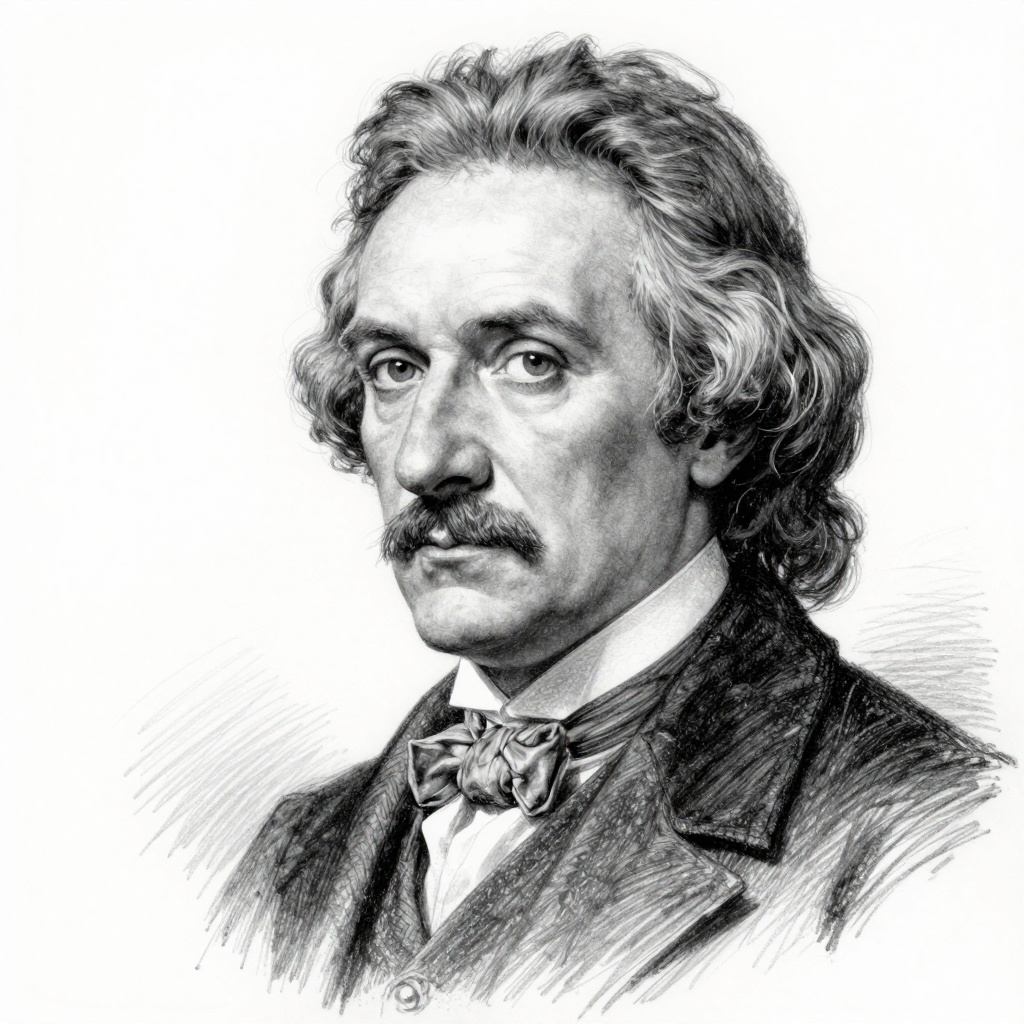
Comments