Quote · Added 17 August 2023
A man can be himself only so long as he is alone; and if he does not love solitude, he will not love freedom; for it is only when he is alone that he is really free.
Arthur SchopenhauerThe Wisdom of Life, p. 45, 1859
Quote · Added 17 August 2023
There's something unsettling about this quote because it challenges how we usually think about freedom. We tend to imagine freedom as the ability to do what we want around others—to express ourselves, to live authentically in public. But Schopenhauer is pointing at something quieter and stranger: that real freedom might actually require stepping away from everyone else entirely.
The twist is that solitude isn't about antisocial withdrawal or loneliness. It's about the mental space where you're not performing, negotiating, or managing anyone else's expectations. When you're alone, there's no audience, no mirror reflecting back a version of yourself that you've unconsciously crafted. That's genuinely rare in modern life, where we're almost always "on"—either physically around people or mentally aware of them through our phones.
This matters because freedom without solitude can become hollow. You might have permission to do whatever you want, but if you've lost touch with what you actually want when no one's watching, that freedom doesn't mean much. The people who feel most trapped often aren't lacking external freedom—they're drowning in noise. Finding time alone isn't indulgent; it's how you remember who you are beneath all the roles you play.
1788–1860·lived 72 years
Arthur Schopenhauer was a German philosopher known for his pessimistic philosophy that emphasized the inherent suffering of existence. He is renowned for his work "The World as Will and Representation," which had a significant influence on 19th-century philosophy and later existential thought.
Also by Arthur Schopenhauer
The shortness of life, so often lamented, may perhaps be the very best thing about it.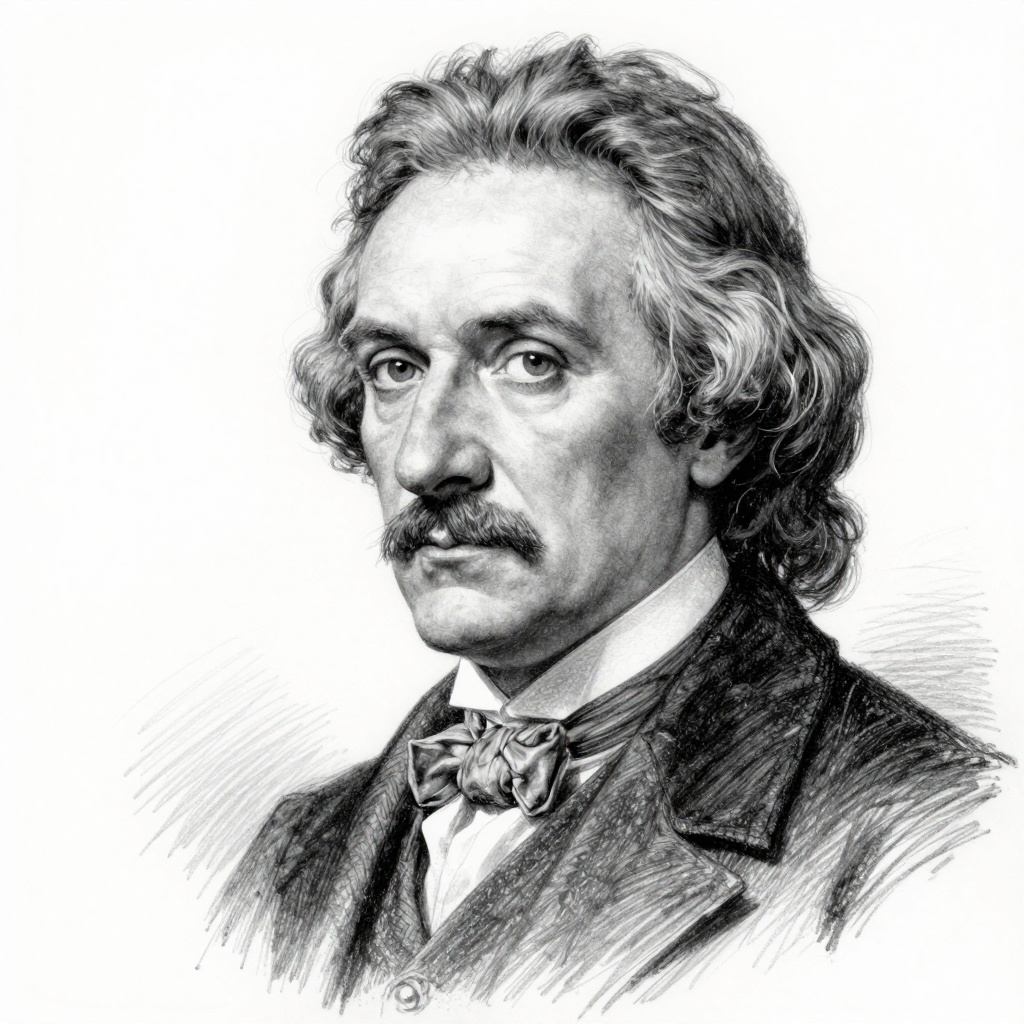
Comments