Quote · Added 22 September 2023
The person who writes for fools is always sure of a large audience.
Anton ChekhovTo A. S. Suvorin (August 29, 1888), Letters of Anton Chekhov
No ratings yet
Quote · Added 22 September 2023
We live in an age where oversimplification is everywhere—clickbait headlines, Instagram hot takes, Netflix documentaries that turn complex issues into emotional arcs. There's real money and attention in telling people exactly what they want to hear, without complications or nuance. Chekhov's observation cuts both ways though: yes, people crave easy answers, but calling them fools misses something important. We're all susceptible to wanting the simplified version sometimes, especially when we're tired or overwhelmed.
The trickier part is recognizing this impulse in ourselves. It's comfortable to consume content that confirms what we already believe, that doesn't challenge us to hold two conflicting ideas at once or admit uncertainty. The "large audience" Chekhov mentions includes plenty of smart, thoughtful people who occasionally just want clarity instead of complexity. The real skill isn't writing down to an audience—it's writing clearly enough that honest complexity doesn't feel like punishment. That's rarer than either pure simplification or pure density, which might be why it reaches fewer people but resonates deeper.
1860–1904·lived 44 years
Anton Chekhov was a Russian playwright and short-story writer known for his works like "The Seagull," "Uncle Vanya," and "The Cherry Orchard." He is celebrated for his realistic depiction of human nature and his ability to capture the complexities of the Russian society during the late 19th and early 20th centuries. Chekhov's works have had a profound influence on modern theater and literature.
Also by Anton Chekhov
It is compassion that moves us beyond numbness toward healing.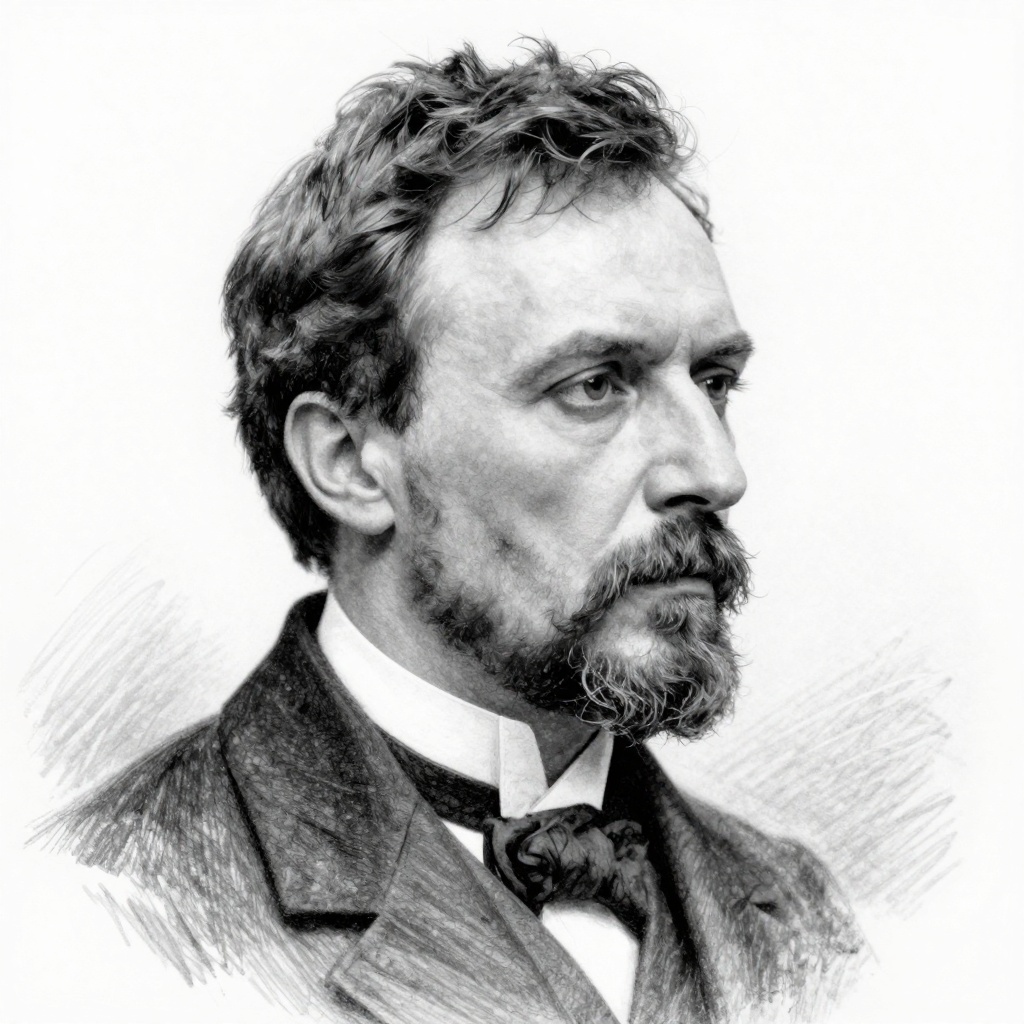
Comments