Quote · Added 6 November 2023
Only during hard times do people come to understand how difficult it is to be master of their feelings and thoughts.
Anton ChekhovMisfortune
No ratings yet
Filed undermastery·emotions·understanding
Quote · Added 6 November 2023
Filed undermastery·emotions·understanding
We tell ourselves we're in control until everything falls apart. A job loss, a rejection, a diagnosis—suddenly the mind spins in circles we can't stop, and emotions flood in that we thought we'd learned to handle years ago. That's when Chekhov's observation hits hard: mastery over your own thoughts and feelings isn't something you achieve once and keep. It's something you discover you never really had, the moment pressure arrives.
The sneaky part is that calm times actually hide how little control we have. When life runs smoothly, it's easy to feel like you've got it figured out. Your discipline seems real. Your resilience seems earned. But that's only because you haven't been tested yet. It takes genuine difficulty to show you the gap between the person you thought you were and the person who panics, obsesses, or spirals when stakes matter.
This doesn't mean you're weak or broken—it means you're human. The value isn't in some perfect calm you should already have achieved. It's in recognizing that hard times are actually the classroom where you finally understand what managing your own mind actually requires. That understanding, hard-won and humbling as it is, becomes the real foundation for growth.
1860–1904·lived 44 years
Anton Chekhov was a Russian playwright and short-story writer known for his works like "The Seagull," "Uncle Vanya," and "The Cherry Orchard." He is celebrated for his realistic depiction of human nature and his ability to capture the complexities of the Russian society during the late 19th and early 20th centuries. Chekhov's works have had a profound influence on modern theater and literature.
Also by Anton Chekhov
It is compassion that moves us beyond numbness toward healing.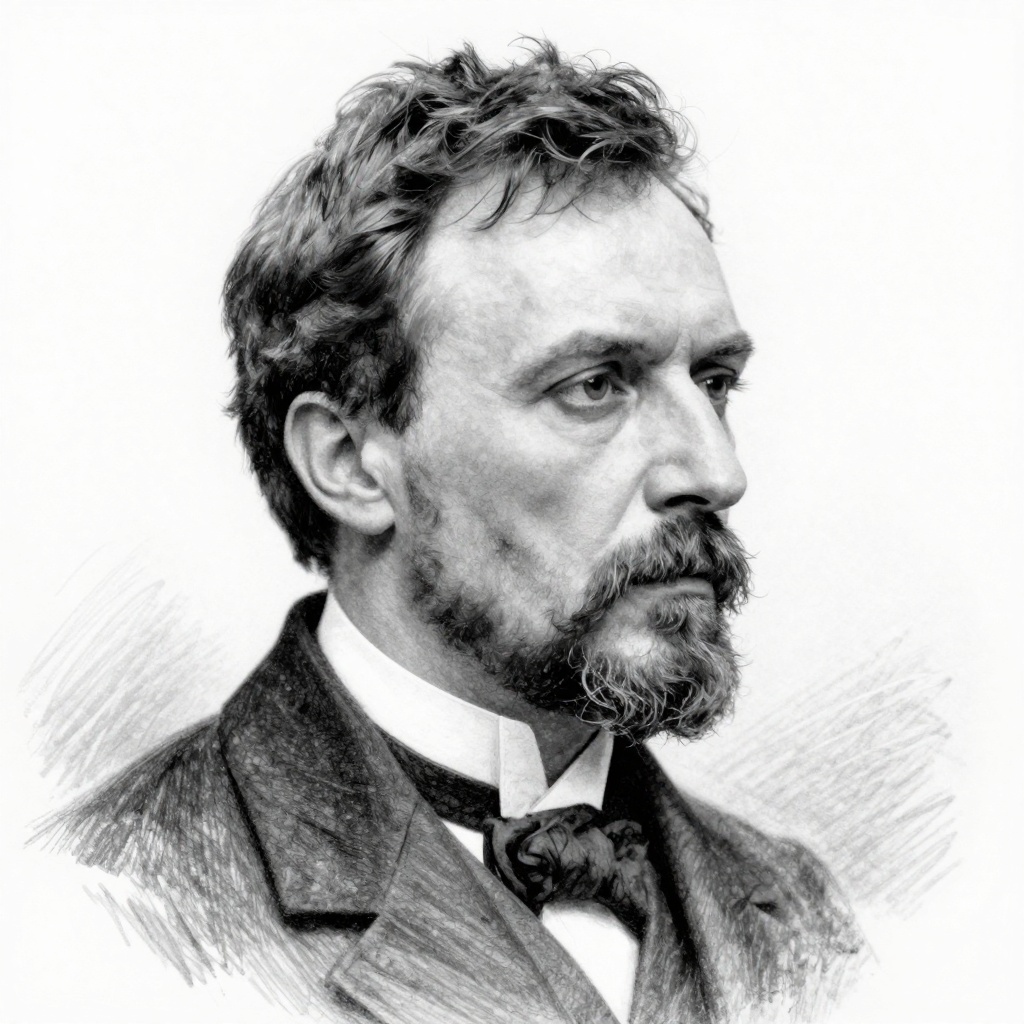
Comments