Quote · Added 30 September 2025
Nothing disturbs me more than the glorification of stupidity.
Anton ChekhovLetter to Aleksey Pleshcheyev, October 4, 1888
No ratings yet
Filed understupidity·glorification·disturbance
Quote · Added 30 September 2025
Filed understupidity·glorification·disturbance
We live in an age where confidence often masquerades as wisdom, and speaking loudly passes for speaking truthfully. Chekhov's frustration makes perfect sense now—maybe more than ever. When we celebrate people simply for being unapologetically certain, for refusing to read, listen, or reconsider, we're not just tolerating ignorance. We're making it aspirational. We're suggesting that the hardest part of life is thinking carefully through problems, so why bother?
The tricky part is that glorifying stupidity doesn't always look obvious. It's not just the loud voice in the room. It's the small daily choices: choosing outrage over understanding, scrolling past nuance, rewarding friends who never admit uncertainty. It's treating curiosity like a weakness and strong opinions like a substitute for strong character. Chekhov understood that a society that stops valuing intelligence—that starts actively celebrating its opposite—is choosing a slower kind of decay.
What makes his words sting is the flip side: the quiet assumption that maybe thinking clearly doesn't matter anymore, that we can thrive on shortcuts and slogans. But people still hunger for clarity, for someone who actually knows what they're talking about. That hunger suggests Chekhov was right. The antidote isn't arrogance or pretense—it's the genuine effort to understand things as they really are.
1860–1904·lived 44 years
Anton Chekhov was a Russian playwright and short-story writer known for his works like "The Seagull," "Uncle Vanya," and "The Cherry Orchard." He is celebrated for his realistic depiction of human nature and his ability to capture the complexities of the Russian society during the late 19th and early 20th centuries. Chekhov's works have had a profound influence on modern theater and literature.
Also by Anton Chekhov
It is compassion that moves us beyond numbness toward healing.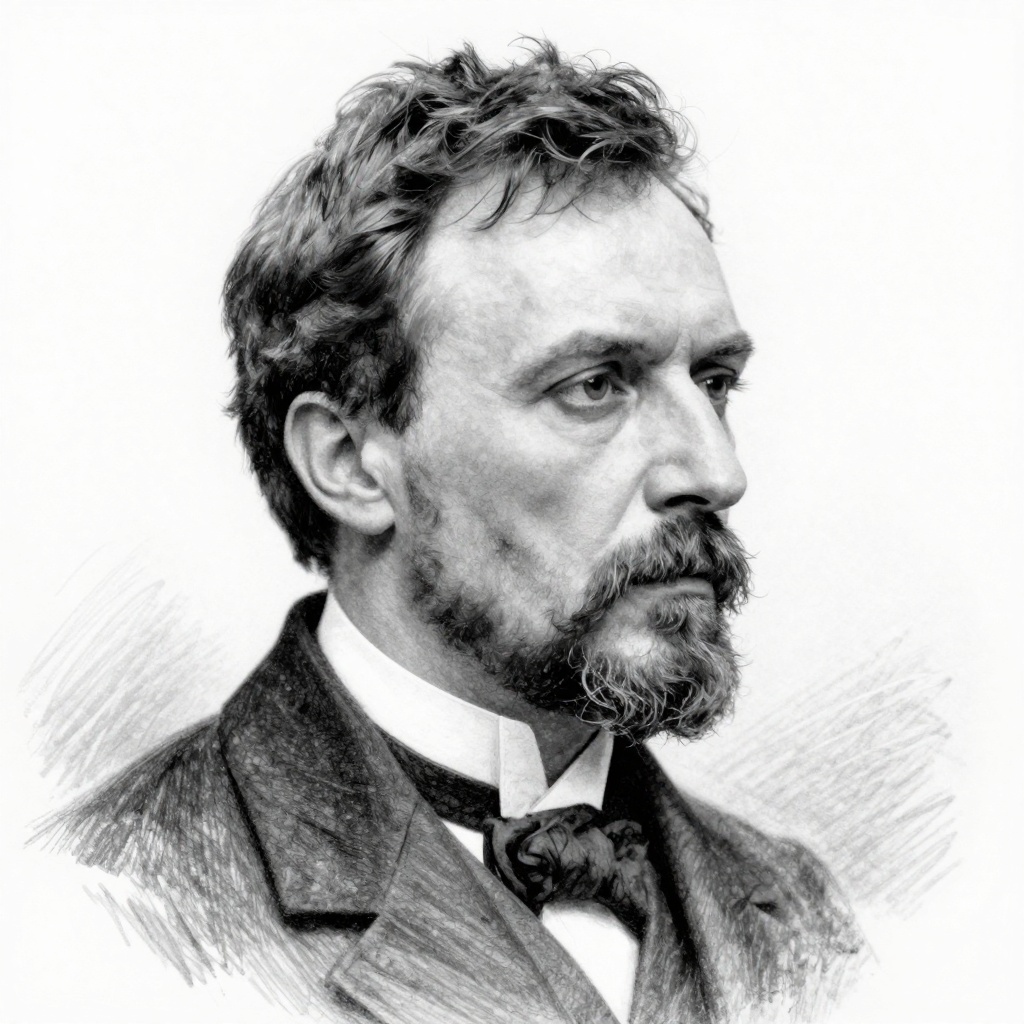
Comments