Quote · Added 26 September 2025
Nothing could be more pleasant than to live in solitude, enjoy the spectacle of nature, and occasionally read some book.
Anton ChekhovTo A. S. Suvorin (May 30, 1888), Letters of Anton Chekhov
No ratings yet
Quote · Added 26 September 2025
There's something quietly radical about this sentence—it sounds like a rejection of ambition, but it's actually a description of abundance. Chekhov lived in a world obsessed with achievement and social climbing, yet he kept circling back to this idea: that a simple life could be genuinely, deeply satisfying. We still struggle with this. Even when we get quiet time, we fill it with productivity apps and self-improvement schemes, as if solitude is only valuable if we're optimizing something.
What's striking is that Chekhov wasn't advocating laziness or withdrawal. He was a doctor, a prolific writer, a man who engaged fully with the world. But he understood something we're rediscovering now: the difference between being alone and being lonely, between having nothing to do and having nothing but the right things. Nature, a good book, and time to think—these aren't backup plans for when real life falls through. They're the thing itself.
The non-obvious part? This kind of contentment isn't passive. It requires real discipline in a world designed to pull your attention everywhere. Choosing solitude, presence, and genuine rest is actually harder now than it was in Chekhov's time. Which means his simple formula has become almost subversive—an act of resistance disguised as a quiet afternoon.
1860–1904·lived 44 years
Anton Chekhov was a Russian playwright and short-story writer known for his works like "The Seagull," "Uncle Vanya," and "The Cherry Orchard." He is celebrated for his realistic depiction of human nature and his ability to capture the complexities of the Russian society during the late 19th and early 20th centuries. Chekhov's works have had a profound influence on modern theater and literature.
Also by Anton Chekhov
It is compassion that moves us beyond numbness toward healing.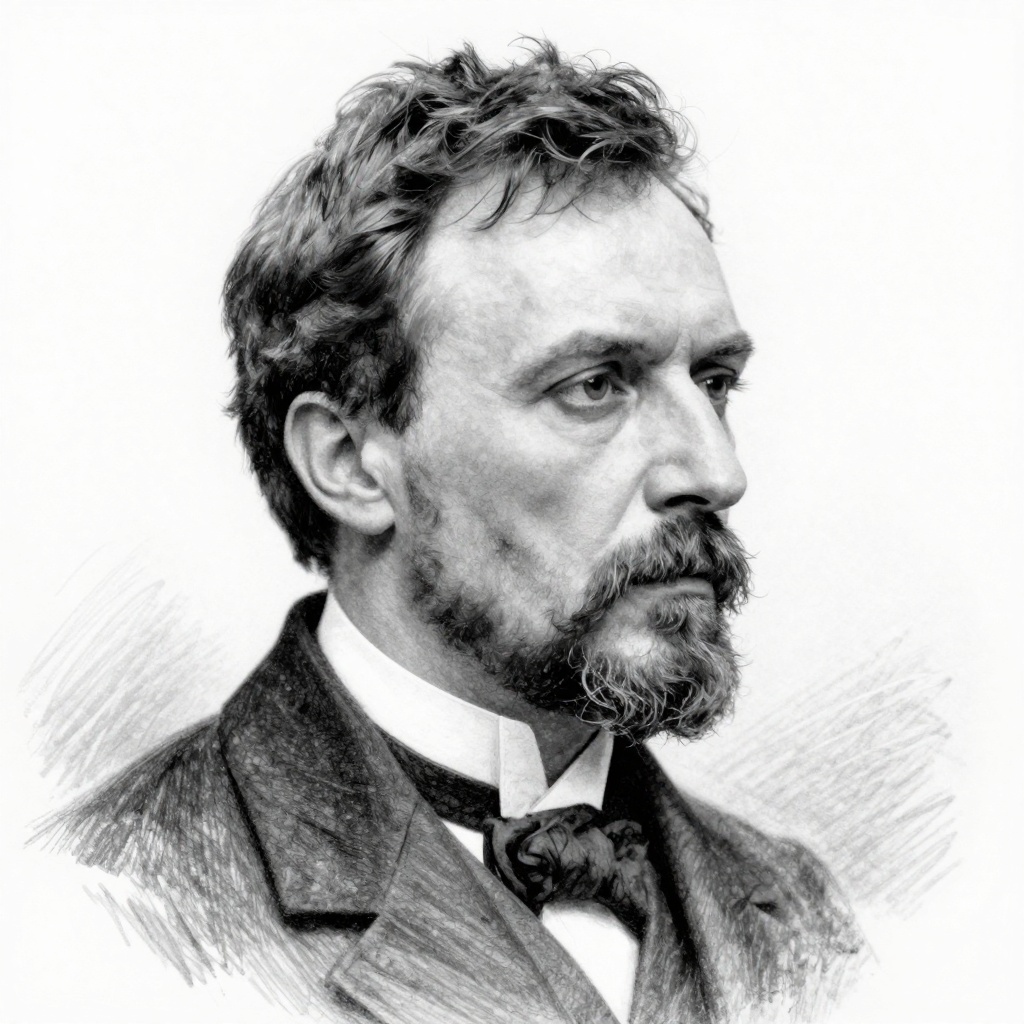
Comments