Quote · Added 3 November 2023
Love, friendship, and respect do not unite people as much as a common hatred for something.
Anton ChekhovNote-book of Anton Chekhov (B.W. Huebsch, ed. 1921), p. 32
No ratings yet
Filed underhatred·unity·relationships
Quote · Added 3 November 2023
Filed underhatred·unity·relationships
We like to think that shared values bring people together—that common ground is built on what we're for. But Chekhov spotted something darker and more honest: sometimes it's what we're against that actually glues a group together. Think about it. A neighborhood might barely tolerate each other until a bad landlord arrives. Coworkers stay civil but distant until a rival company threatens their jobs. People who'd never naturally be friends bond instantly over a mutual enemy—real or perceived.
The uncomfortable part? This unity is weaker than we pretend. Love and genuine respect are slow, patient, and tend to last. But hatred as a bonding agent burns hot and fast. The moment that shared enemy disappears or loses relevance, the group often fractures. We've all seen it: the alliance that formed around opposing something falls apart once the threat vanishes, revealing that there was never much holding people together underneath. It's why political movements built entirely on opposition tend to be less stable than those built on actual vision. The stickiness of collective anger is real, but it's also temporary. Understanding this gap—between the intensity of hatred and the staying power of genuine connection—might be one of the more useful uncomfortable truths about how people actually work.
1860–1904·lived 44 years
Anton Chekhov was a Russian playwright and short-story writer known for his works like "The Seagull," "Uncle Vanya," and "The Cherry Orchard." He is celebrated for his realistic depiction of human nature and his ability to capture the complexities of the Russian society during the late 19th and early 20th centuries. Chekhov's works have had a profound influence on modern theater and literature.
Also by Anton Chekhov
It is compassion that moves us beyond numbness toward healing.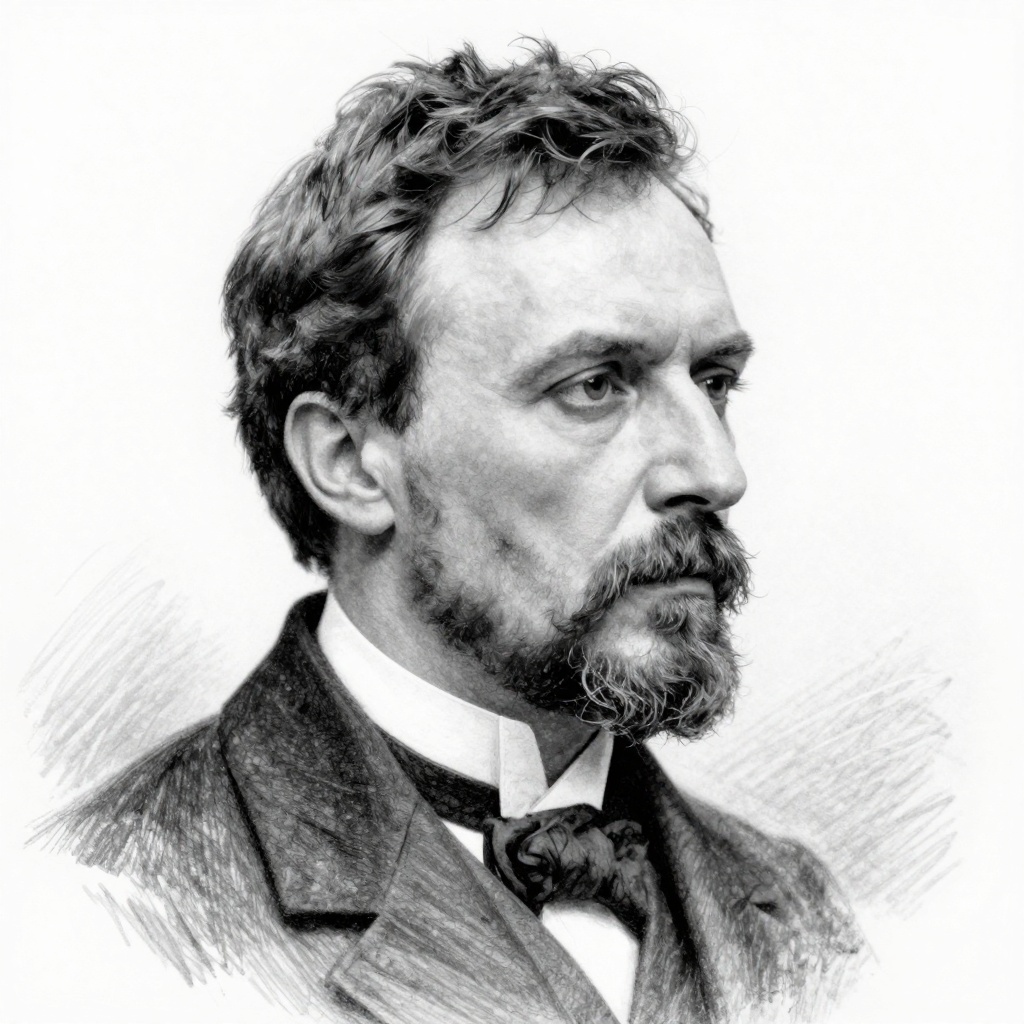
Comments