Quote · Added 6 September 2023
Don't just say that you have read books. Show that through them you have learned to think better.
Anton ChekhovLetter to his brother, N.P. Chekhov (March 1886)
No ratings yet
Quote · Added 6 September 2023
We live in an age where people broadcast what they've consumed—the books they've read, the podcasts they've finished, the documentaries they've watched. The performance of learning has become almost as valuable as learning itself. But Chekhov cuts through this with something sharper: the real proof isn't the list. It's whether your mind actually works differently now.
This matters because it separates genuine growth from mere collection. You can read a book on stoicism and still react with rage in traffic. You can finish a biography of a great thinker and keep making the same old decisions. The gap between knowing something and having it reshape how you think is enormous, and it's exactly where most of us get stuck. Reading changes your brain only when you let it—when you sit with an idea long enough to question your own assumptions, when you notice yourself thinking in new patterns.
The harder part? This can't be performed. You can't fake it in conversation for long. People notice when someone has genuinely integrated what they've learned—they ask better questions, see problems from unexpected angles, change their minds when confronted with something real. That's the actual return on all those hours with a book in your hands.
1860–1904·lived 44 years
Anton Chekhov was a Russian playwright and short-story writer known for his works like "The Seagull," "Uncle Vanya," and "The Cherry Orchard." He is celebrated for his realistic depiction of human nature and his ability to capture the complexities of the Russian society during the late 19th and early 20th centuries. Chekhov's works have had a profound influence on modern theater and literature.
Also by Anton Chekhov
It is compassion that moves us beyond numbness toward healing.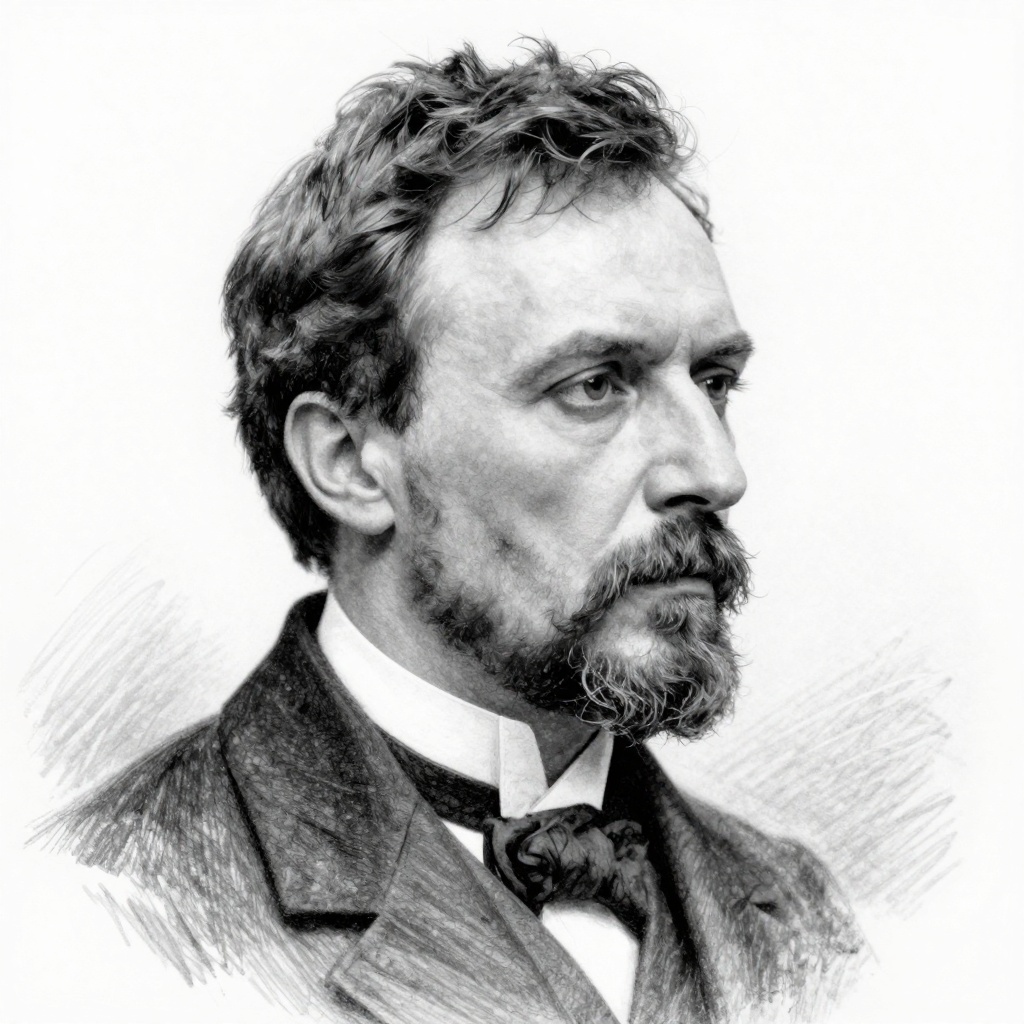
Comments