Quote · Added 2 March 2024
Any idiot can face a crisis; it's this day-to-day living that wears you out.
Anton ChekhovChekhov on Daily Life, Big Think, 2014
No ratings yet
Quote · Added 2 March 2024
There's something almost backwards about this observation, but it rings true the moment you sit with it. We tend to romanticize big moments—the dramatic choice, the battle against impossible odds—because they feel meaningful and temporary. You survive them, you move on. But the small frictions of ordinary life? The commute that's always slightly stressful, the emails that pile up, the low-level anxiety about money or health that never quite leaves, the person at work who rubs you wrong every single day. These don't have a finish line. They just keep happening.
Crisis creates clarity in a weird way. Everything else falls away, and you know exactly what matters and what to do. Daily life offers no such relief. You're juggling competing needs, minor irritations, and half-resolved tensions that resurface like clockwork. The stakes feel smaller individually, which somehow makes them harder to justify getting upset about, so you just absorb them day after day.
This is why burnout sneaks up on people who think they're fine. You're not wrestling a dragon once a month—you're being nibbled to death by ducks, and there's no heroic narrative around that. Recognizing this gap between the dramatic and the mundane might be the first step to actually protecting your energy instead of just waiting for the next crisis to arrive.
1860–1904·lived 44 years
Anton Chekhov was a Russian playwright and short-story writer known for his works like "The Seagull," "Uncle Vanya," and "The Cherry Orchard." He is celebrated for his realistic depiction of human nature and his ability to capture the complexities of the Russian society during the late 19th and early 20th centuries. Chekhov's works have had a profound influence on modern theater and literature.
Also by Anton Chekhov
It is compassion that moves us beyond numbness toward healing.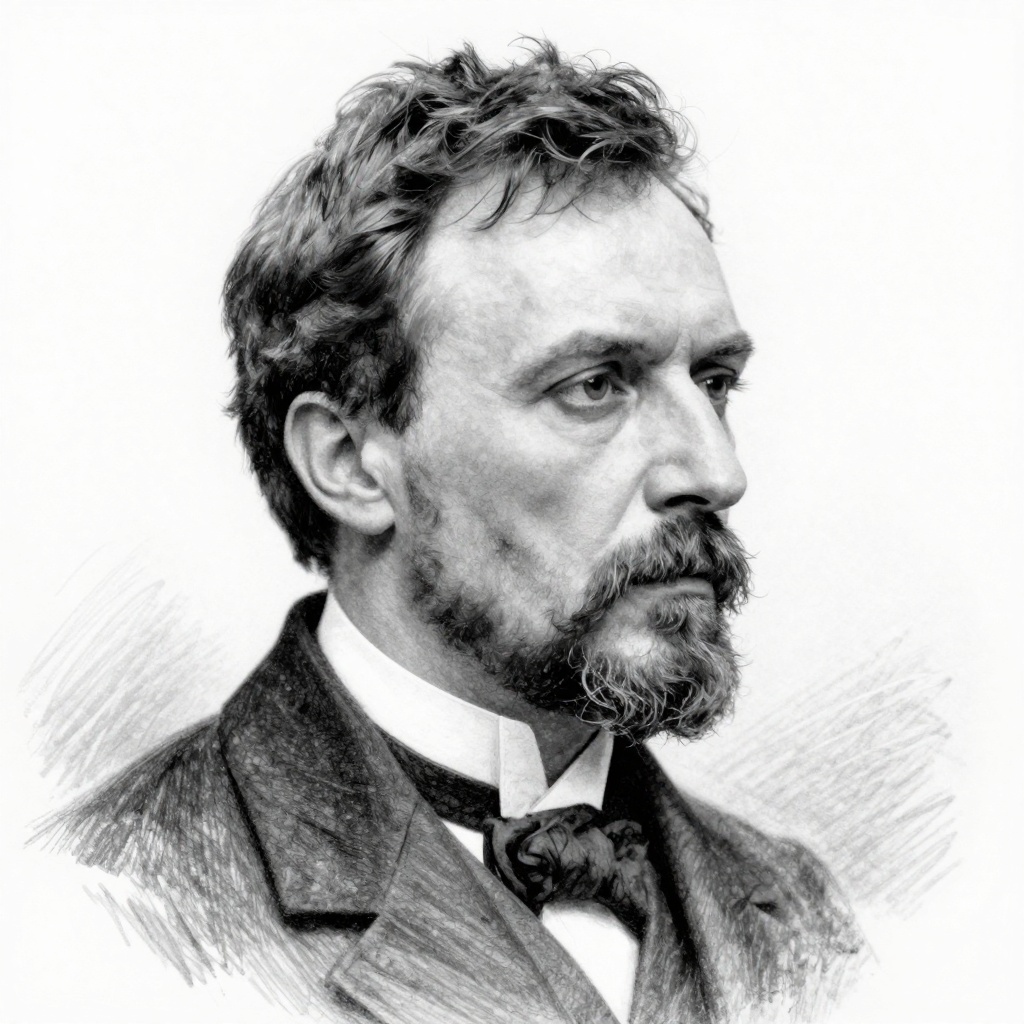
Comments