Quote · Added 26 February 2026
Reading
AI generatedThe joy closest to you matters most
We live in an age obsessed with the extraordinary and distant—the next breakthrough, the next achievement, the next thing that will finally matter. Yet this quote points to something we experience constantly but rarely celebrate: the quiet, immediate joy of good food shared with someone we care about. A new restaurant that becomes your favorite, a recipe perfected after years of trying, a dish that transports you back to childhood—these feel smaller than splitting the atom, but they're not.
The real insight here isn't that food is more important than astronomy. It's that happiness isn't built from rare, monumental discoveries. It's built from small, repeatable moments of genuine pleasure. A meal can happen tonight. A star's discovery might change our understanding of the universe, but most of us will never feel that change in our bodies. A perfect risotto, though? You feel that. You taste it. You remember it.
What makes this observation so oddly modern is how we've gotten the hierarchy backwards. We celebrate the next tech product or viral moment while treating home cooking or a family dinner as ordinary—something to rush through. Brillat-Savarin reminds us that the things closest to us, the things we can actually control and share, are where the real richness of living actually happens.
The author
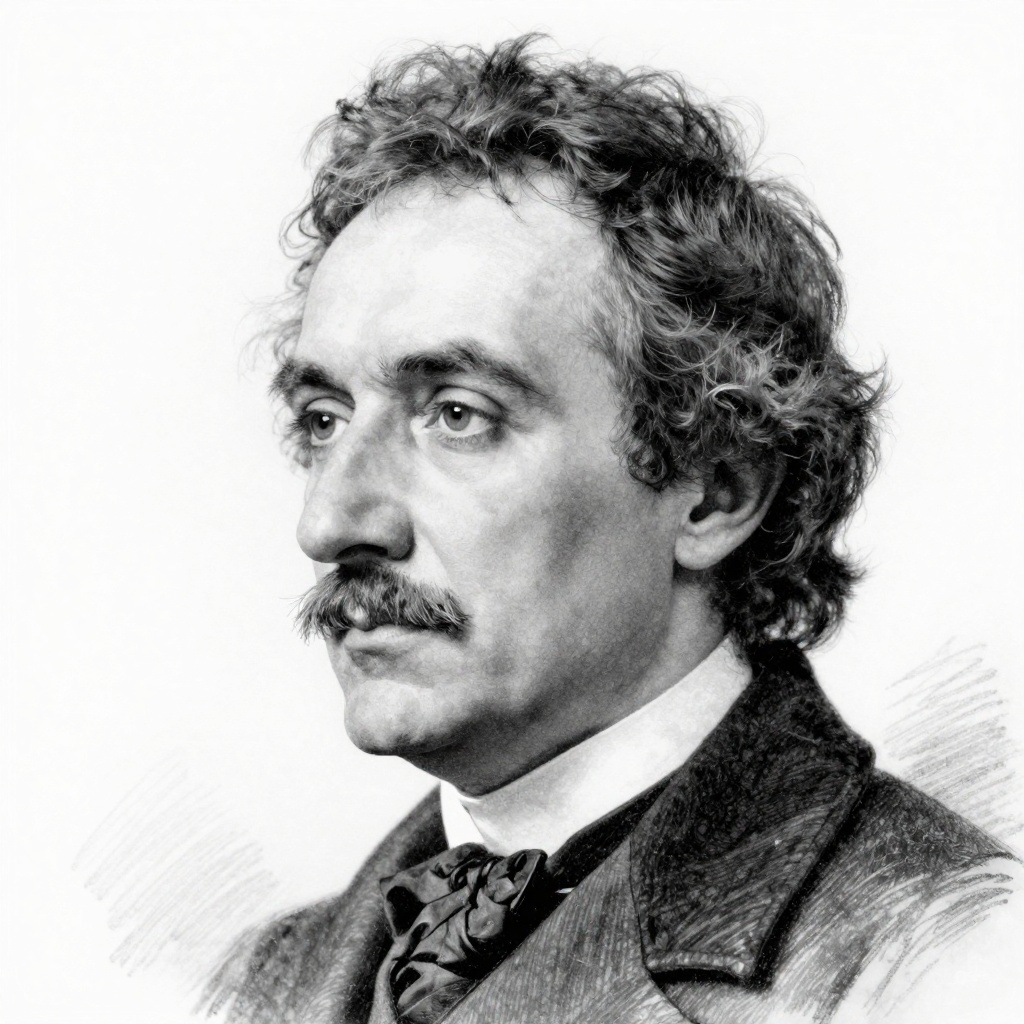
Anthelme Brillat-Savarin
1755–1826·lived 70 years
Anthelme Brillat-Savarin (1755-1826) was a French lawyer and politician, renowned for his influential work in culinary literature. He is best known for his book "Physiologie du Goût" (The Physiology of Taste), which explores the relationship between food, pleasure, and gastronomy, contributing significantly to the field of epicurean philosophy. Brillat-Savarin's insights continue to inspire chefs and food enthusiasts around the world.
Comments