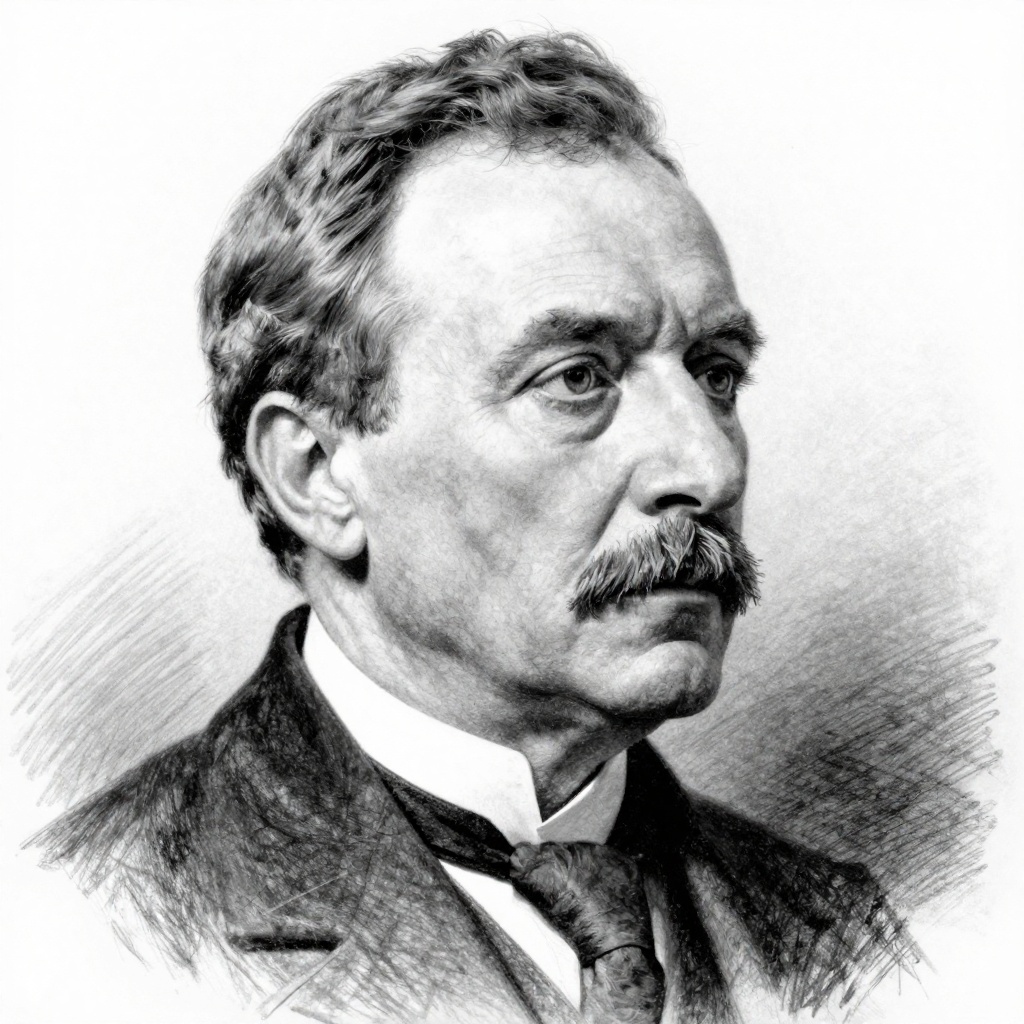
Each time, before you intercede, be quiet first, and worship God in His glory. Think of what He can do, and ho... — Andrew Murray

Each time, before you intercede, be quiet first, and worship God in His glory. Think of what He can do, and how He delights to hear the prayers of His redeemed people. Think of your place and privilege in Christ, and expect great things!

Author: Andrew Murray

Insight: There's something almost radical about stopping before we ask for anything. We live in a culture of immediate requests—we text, we email, we just say what we need. But this quote suggests something harder: sit with who you're actually talking to before making your pitch. Not as a tactic to soften someone up, but as a genuine pause to remember their actual nature and your actual relationship. The non-obvious part is that this isn't about humbling yourself into smallness. It's the opposite. Murray's point is that remembering God's character and your own position of privilege in that relationship should make you expect more, not less. You're not approaching empty-handed or uncertain—you're coming as someone genuinely connected, with permission to ask. That shift from anxiety to expectation changes everything about how we actually bring our concerns forward. The everyday application is simple: before you reach out to someone who matters—whether that's a mentor, a trusted friend, a teacher—take thirty seconds to remember why you trust them and what they're actually capable of giving. It reframes the conversation from begging to connecting. You stop sounding desperate and start sounding like someone who knows what they're asking for and why it matters.

Stop asking, start remembering

Each time, before you intercede, be quiet first, and worship God in His glory. Think of what He can do, and how He delights to hear the prayers of His redeemed people. Think of your place and privilege in Christ, and expect great things!

There's something almost radical about stopping before we ask for anything. We live in a culture of immediate requests—we text, we email, we just say what we need. But this quote suggests something harder: sit with who you're actually talking to before making your pitch. Not as a tactic to soften someone up, but as a genuine pause to remember their actual nature and your actual relationship.

The non-obvious part is that this isn't about humbling yourself into smallness. It's the opposite. Murray's point is that remembering God's character and your own position of privilege in that relationship should make you expect more, not less. You're not approaching empty-handed or uncertain—you're coming as someone genuinely connected, with permission to ask. That shift from anxiety to expectation changes everything about how we actually bring our concerns forward.

The everyday application is simple: before you reach out to someone who matters—whether that's a mentor, a trusted friend, a teacher—take thirty seconds to remember why you trust them and what they're actually capable of giving. It reframes the conversation from begging to connecting. You stop sounding desperate and start sounding like someone who knows what they're asking for and why it matters.

AI generated

Comments

Sign in to leave a comment or reply to one.

Sign in

Andrew Murray

Andrew Murray was a Scottish pastor, author, and theologian, born on May 9, 1828, in Troup, Scotland. He is best known for his influential writings on the Christian life and spirituality, particularly works like "Abide in Christ" and "The Power of Prayer," which have inspired countless Christians around the world. Murray served as a minister in the Dutch Reformed Church in South Africa, where he also became a prominent advocate for spiritual renewal and missionary work.

Graph