Quote · Added 14 February 2026
Explore
Reading
AI generatedMoney without purpose is its own poverty
We tend to think money solves the problem of being stuck or powerless. But there's something genuinely hollow about accumulating wealth while remaining trapped—whether that's trapped in a boring job, a loveless marriage, or a life spent chasing a number instead of building anything meaningful. Carnegie's observation cuts deeper than a simple "money can't buy happiness" platitude. He's pointing at something specific: the particular misery of having resources but no direction, no skills, no relationships, no passions that actually matter to you.
This shows up constantly in modern life. Someone lands a high-paying job and feels more anxious than before. A person inherits money and discovers they have no idea who they are outside of needing it. The real poverty isn't empty pockets—it's an empty life dressed up in expensive clothes. You can afford anything except the things that actually make you feel alive: purpose, mastery, genuine connection, the satisfaction of building something with your own effort.
The flip side is equally true. People with modest means but deep skills, strong relationships, or real interests in their work often feel genuinely wealthy in ways no paycheck alone could create. What Carnegie is really warning against is the trap of letting money become your only asset, your only story about yourself. That's not freedom. That's a specific kind of poverty wearing a expensive suit.
The author
All 12 quotes by Andrew Carnegie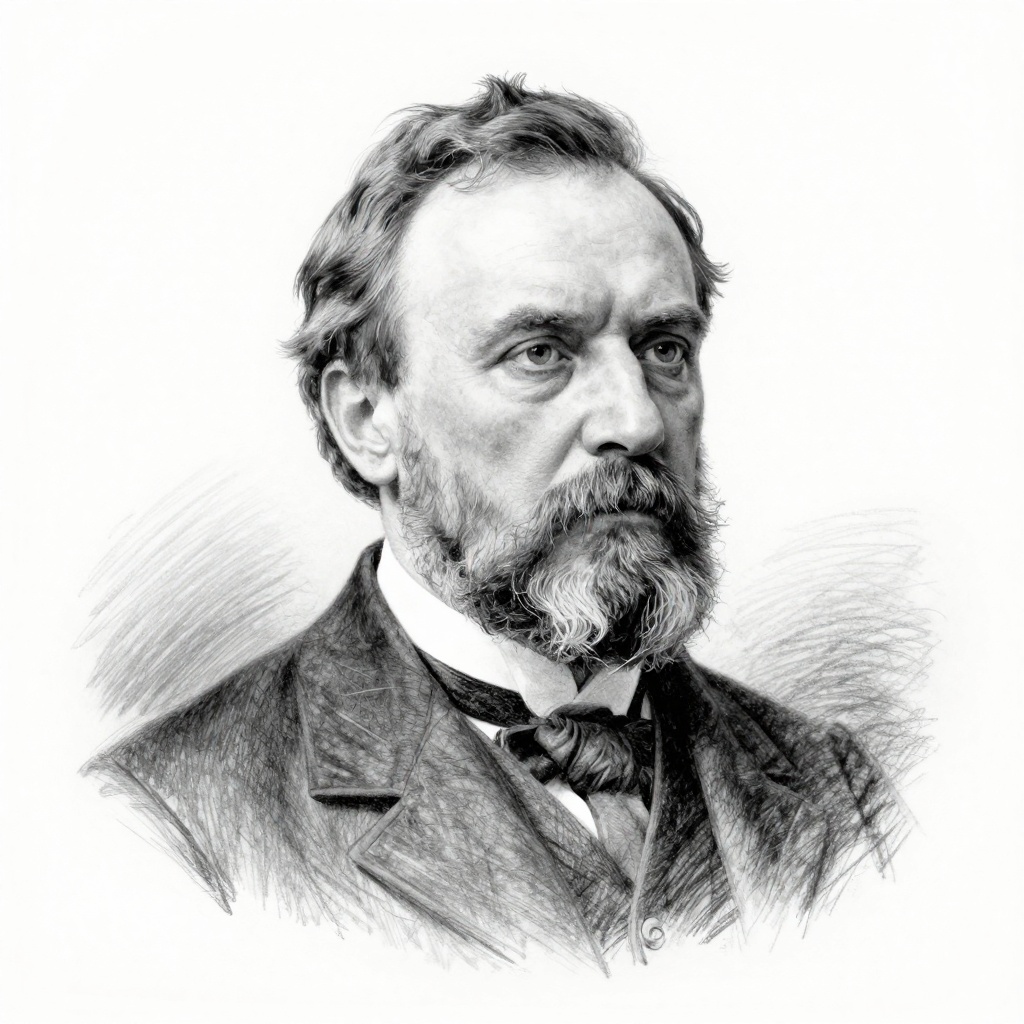
Andrew Carnegie
1835–1919·lived 83 years
Andrew Carnegie was a Scottish-American industrialist and philanthropist. He is known for being one of the wealthiest individuals in history due to his leadership in the expansion of the steel industry in the late 19th century and for his significant philanthropic contributions, establishing libraries, schools, and universities throughout the United States.
Also by Andrew Carnegie
Do your duty and a little more, and the future will take care of itself.
Comments