Quote · Added 1 October 2023
People who are unable to motivate themselves must be content with mediocrity, no matter how impressive their other talents.
Filed undermotivation·mediocrity·talent
Quote · Added 1 October 2023
Filed undermotivation·mediocrity·talent
There's a hard truth buried here that most of us dance around: talent alone doesn't actually carry you anywhere. You can be the smartest person in the room, capable of things others can't touch—but if you're waiting for someone else to light the fire under you, you'll watch other people with half your ability move ahead. Self-motivation isn't about being relentlessly upbeat or grinding yourself to dust. It's about having some internal compass that says "this matters to me" and following it even when nobody's watching or cheering.
What makes this sting is that it flips how we usually think about failure. We blame circumstances, bad luck, the wrong boss, the wrong timing. And sometimes those things are real. But Carnegie's pointing at something scarier: sometimes mediocrity is a choice we make by default, by just showing up and doing what's asked instead of asking what we actually want. The person with average abilities but genuine hunger will outpace the talented person who's waiting for inspiration to arrive like a bus.
The counterintuitive part? Self-motivation doesn't mean you have to want big things. You just have to want something enough that you'll protect it a little, nurture it, show up for it without being forced. That's the actual lever.
1835–1919·lived 83 years
Andrew Carnegie was a Scottish-American industrialist and philanthropist. He is known for being one of the wealthiest individuals in history due to his leadership in the expansion of the steel industry in the late 19th century and for his significant philanthropic contributions, establishing libraries, schools, and universities throughout the United States.
Also by Andrew Carnegie
Do your duty and a little more, and the future will take care of itself.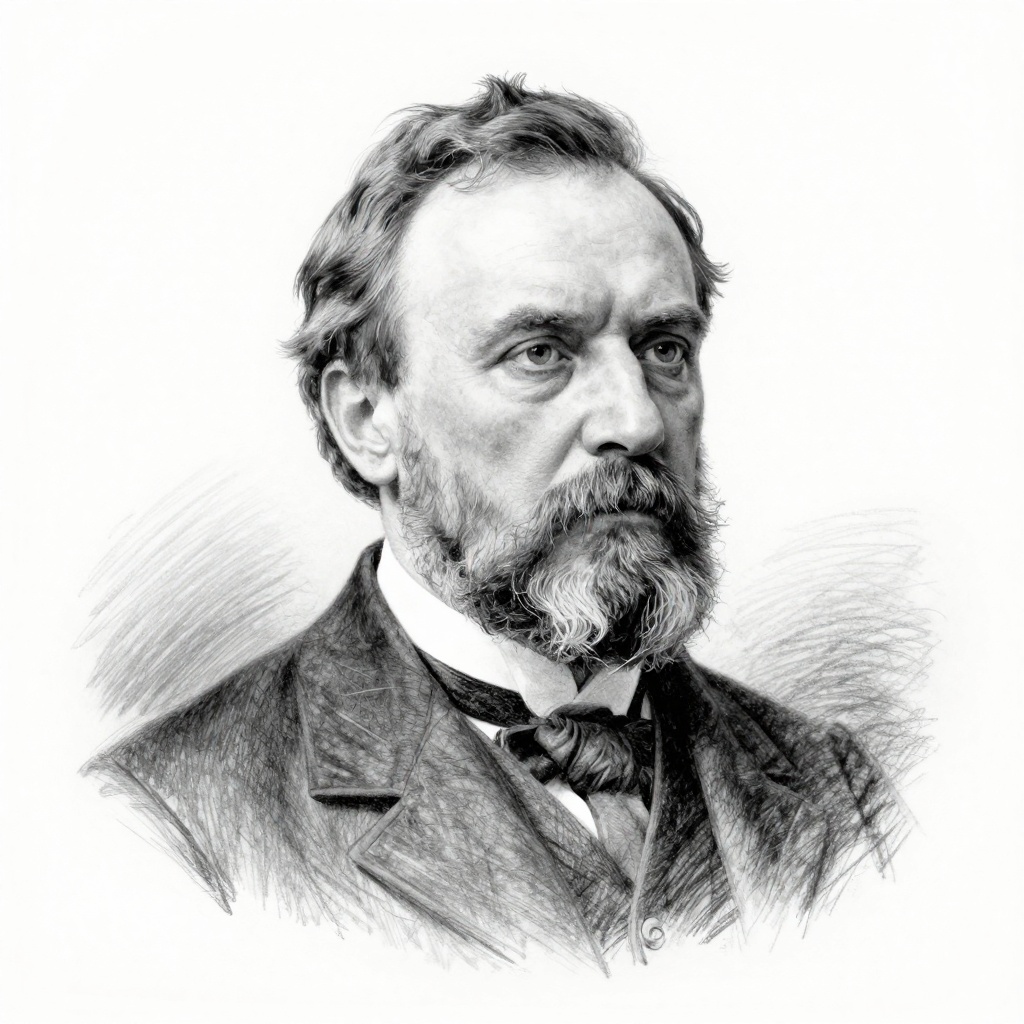
Comments