Quote · Added 5 November 2023
It's necessary to have wished for death in order to know how good it is to live.
Alexandre DumasThe Count of Monte Cristo, 1845-1846
Filed underdeath·life·appreciation
Quote · Added 5 November 2023
Filed underdeath·life·appreciation
There's a strange paradox in how we value things: we often don't really feel what we have until we imagine losing it. This quote captures something true about how human appreciation actually works. You don't fully understand the relief of a day off until you've been exhausted. You don't grasp how much you love someone until you face the possibility of them not being there.
The deeper insight here isn't morbid—it's about the cost of taking things for granted. We move through our lives on autopilot, checking boxes, complaining about minor inconveniences, barely noticing the gift of just being awake and able to move through the world. We need contrast to see clearly. That moment when you're genuinely afraid of losing something? That's when the scales fall off and you suddenly see its real value.
But there's a practical question embedded in this: do we really need to brush against death to appreciate life, or can we learn to notice what we have right now without the crisis? The wisest people seem to be those who've either faced genuine hardship or learned early to question their own blind spots—the ones who ask "what am I not seeing?" before life forces them to. That's the useful part of Dumas's wisdom.
1802–1870·lived 68 years
Alexandre Dumas was a French writer born in 1802. He is known for his historical novels, such as "The Three Musketeers" and "The Count of Monte Cristo," which are still widely read and adapted into various media today. Dumas is celebrated for his storytelling skills, colorful characters, and vivid depictions of historical events.
Also by Alexandre Dumas
The merit of all things lies in their difficulty.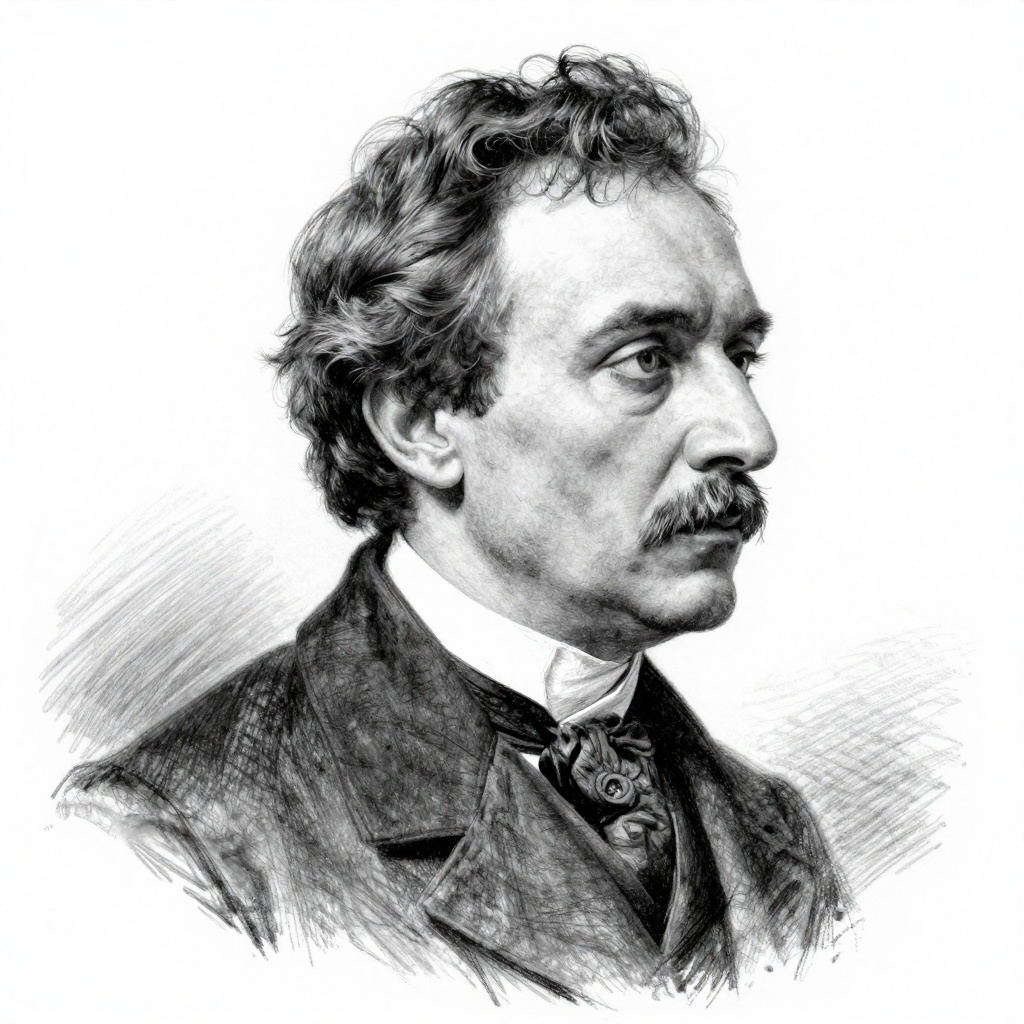
Comments