Quote · Added 14 February 2026
Happiness is like those palaces in fairy tales whose gates are guarded by dragons: we must fight in order to conquer it.
Alexandre DumasThe Count of Monte Cristo, 1844
Quote · Added 14 February 2026
We live in a culture that whispers happiness should feel effortless—that you're either lucky enough to have it or you're somehow doing life wrong. But this quote cuts through that myth with a bracing truth: contentment isn't something that happens to you. It's something you have to earn, often by pushing through discomfort, resistance, and fear.
The "dragons" at the gate aren't just external obstacles either. They're usually internal: the habits we're reluctant to break, the conversations we're too anxious to start, the familiar routines we cling to even when they're making us miserable. Real happiness demands you show up and fight against your own inertia, your doubts, maybe even your comfort with unhappiness. It means choosing the harder path when the easier one is right there.
This reframes a common frustration: that nagging sense that happiness requires work and that something must be wrong if it doesn't come naturally. Actually, that struggle itself is part of the legitimate experience. The people who seem genuinely happy aren't usually those who stumbled into it—they're the ones who decided it mattered enough to keep pushing past the dragons guarding the gate.
1802–1870·lived 68 years
Alexandre Dumas was a French writer born in 1802. He is known for his historical novels, such as "The Three Musketeers" and "The Count of Monte Cristo," which are still widely read and adapted into various media today. Dumas is celebrated for his storytelling skills, colorful characters, and vivid depictions of historical events.
Also by Alexandre Dumas
The merit of all things lies in their difficulty.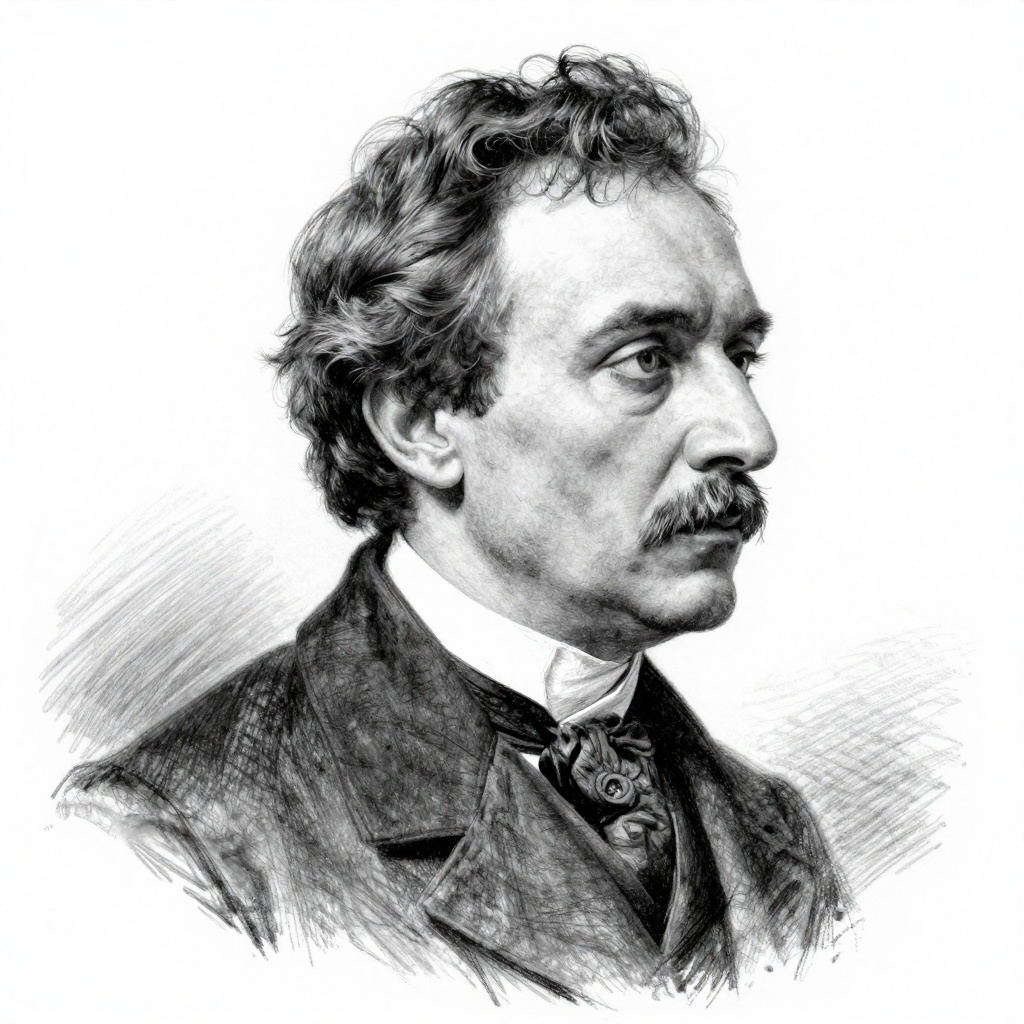
Comments