Quote · Added 5 December 2023
For all evils there are two remedies - time and silence.
Alexandre DumasThe Count of Monte Cristo, 1844
Quote · Added 5 December 2023
Most of us reach for the opposite when something hurts. We want to talk about it immediately, replay it with friends, post about it, demand answers. We're convinced that processing something out loud is the only real way to move through it. But there's quiet wisdom in letting certain wounds just sit for a while.
Time does something silence can't quite do alone—it creates distance and perspective. What feels enormous on day one often shrinks to manageable size by month six, not because you've solved it, but because you've lived past it. The catch is that silence isn't about avoidance or pretending something didn't happen. It's about resisting the urge to keep the wound open by constantly examining it. Every time we rehash a betrayal or embarrassment, we're essentially reliving it fresh.
What makes this genuinely hard is that silence feels like inaction, like you're not being "productive" about your pain. But there's actually something quite active about choosing not to amplify something. The two work together: silence lets the sting fade, while time proves that most injuries are temporary. Not everything deserves the oxygen of constant discussion.
1802–1870·lived 68 years
Alexandre Dumas was a French writer born in 1802. He is known for his historical novels, such as "The Three Musketeers" and "The Count of Monte Cristo," which are still widely read and adapted into various media today. Dumas is celebrated for his storytelling skills, colorful characters, and vivid depictions of historical events.
Also by Alexandre Dumas
The merit of all things lies in their difficulty.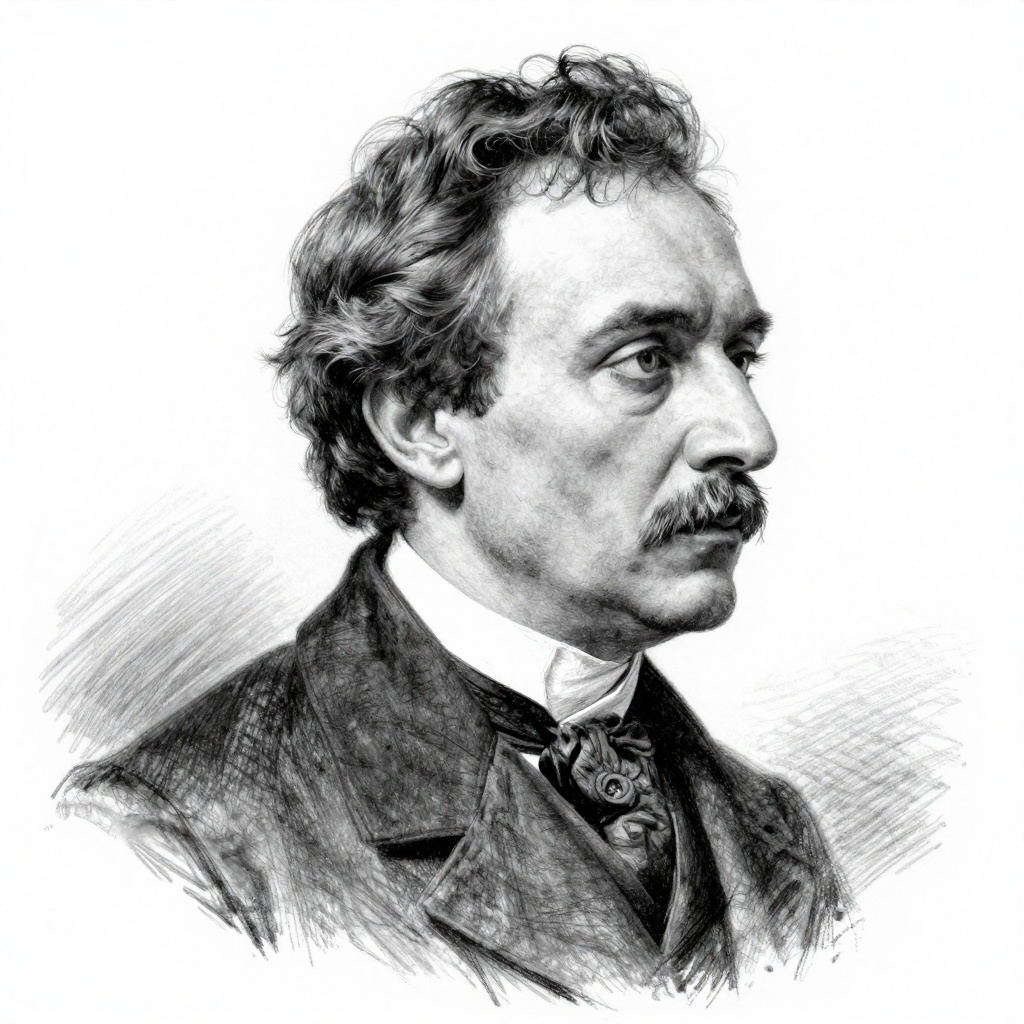
Comments