Quote · Added 14 February 2026
Business? It's quite simple; it's other people's money.
Filed undermoney·business·simplicity
Quote · Added 14 February 2026
Filed undermoney·business·simplicity
There's something refreshingly honest about this line, even if it sounds cynical at first. Most business advice wraps itself in talk of value creation and innovation, which is all true—but Dumas is pointing at something simpler: at its core, business is about movement. Money moves from one pocket to another, usually because someone convinced someone else it was worth the journey.
This matters because it cuts through the mystique. You don't need a genius-level idea to start something; you just need to understand what other people actually want and care enough to deliver it. A plumber, a consultant, a baker—they're all operating on the same principle. They've identified what someone else values, and they've made themselves the bridge between that person's need and their solution. The "other people's money" part isn't about exploitation; it's about solving the trust problem built into every transaction.
The slightly uncomfortable angle? Many of us avoid business thinking because we tell ourselves it's too corporate or mercenary. But recognizing that business is fundamentally about exchange—not magic, not destiny—actually makes it more accessible. You're not waiting for permission or perfection. You're just seeing what people need and having the audacity to ask if they'd pay for it.
1802–1870·lived 68 years
Alexandre Dumas was a French writer born in 1802. He is known for his historical novels, such as "The Three Musketeers" and "The Count of Monte Cristo," which are still widely read and adapted into various media today. Dumas is celebrated for his storytelling skills, colorful characters, and vivid depictions of historical events.
Also by Alexandre Dumas
The merit of all things lies in their difficulty.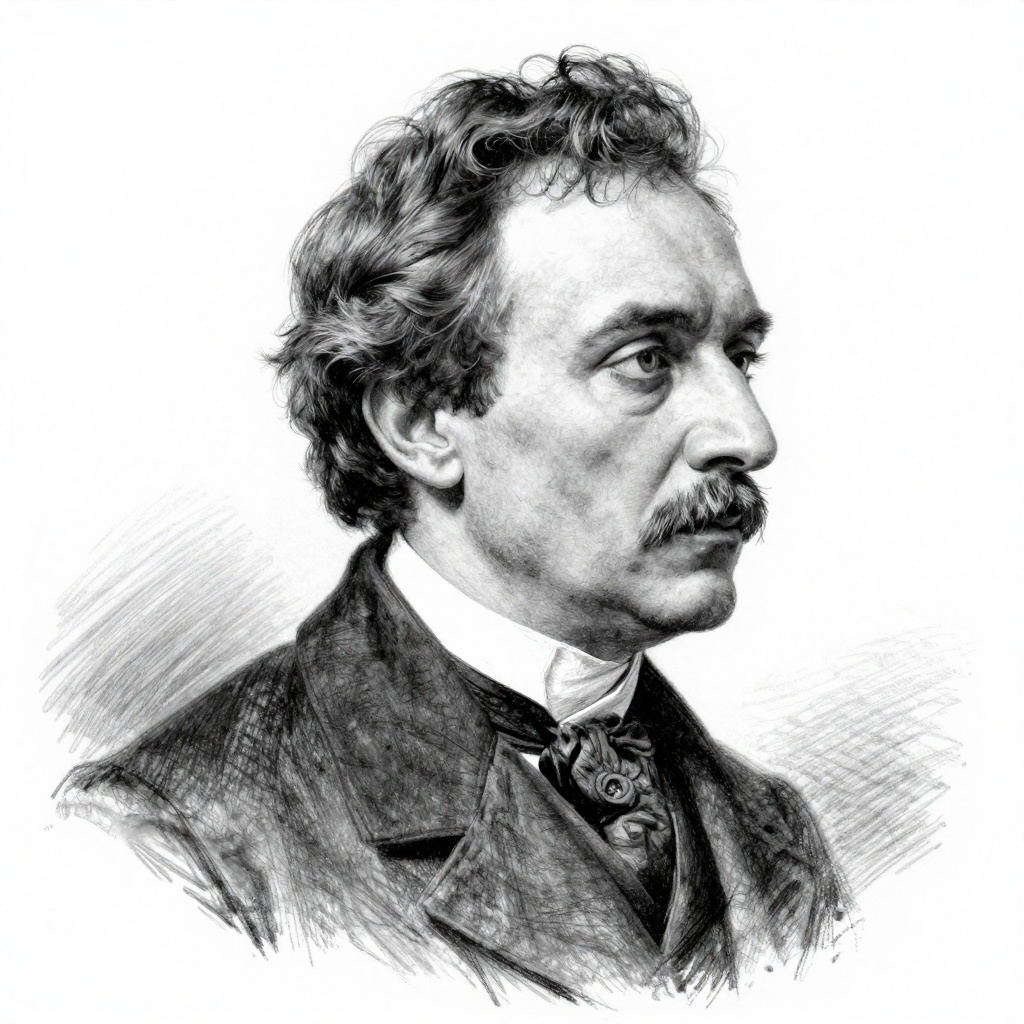
Comments