Quote · Added 27 September 2025
All human wisdom is contained in these two words, Wait and Hope.
Alexandre DumasThe Count of Monte Cristo, p. 420, 1844
Quote · Added 27 September 2025
There's something almost radical about this claim when you sit with it—that everything worth knowing can be reduced to waiting and hoping. We live in a culture obsessed with optimization and immediate results, where waiting feels like failure and hope can seem naive. But Dumas is pointing at something deeper: wisdom isn't about having all the answers or controlling every outcome. It's about understanding that some things require time, and that the willingness to imagine better futures is what actually sustains us through difficulty.
The waiting part is particularly important because it's not passive resignation. Real waiting is an active stance—it's patience paired with preparation, the ability to endure uncertainty without dissolving into panic or despair. And hope isn't blind optimism either. It's the quiet refusal to accept that present circumstances define your entire story. When someone is stuck in a bad situation, that distinction matters enormously.
What makes this wisdom practical is that both waiting and hoping are skills you can actually develop. Every time you resist the urge to force a solution that isn't ready, or when you choose to believe things could shift instead of collapsing into hopelessness, you're exercising the muscles Dumas describes. That's not poetic abstraction—that's how people actually get through difficult seasons and eventually move forward.
1802–1870·lived 68 years
Alexandre Dumas was a French writer born in 1802. He is known for his historical novels, such as "The Three Musketeers" and "The Count of Monte Cristo," which are still widely read and adapted into various media today. Dumas is celebrated for his storytelling skills, colorful characters, and vivid depictions of historical events.
Also by Alexandre Dumas
The merit of all things lies in their difficulty.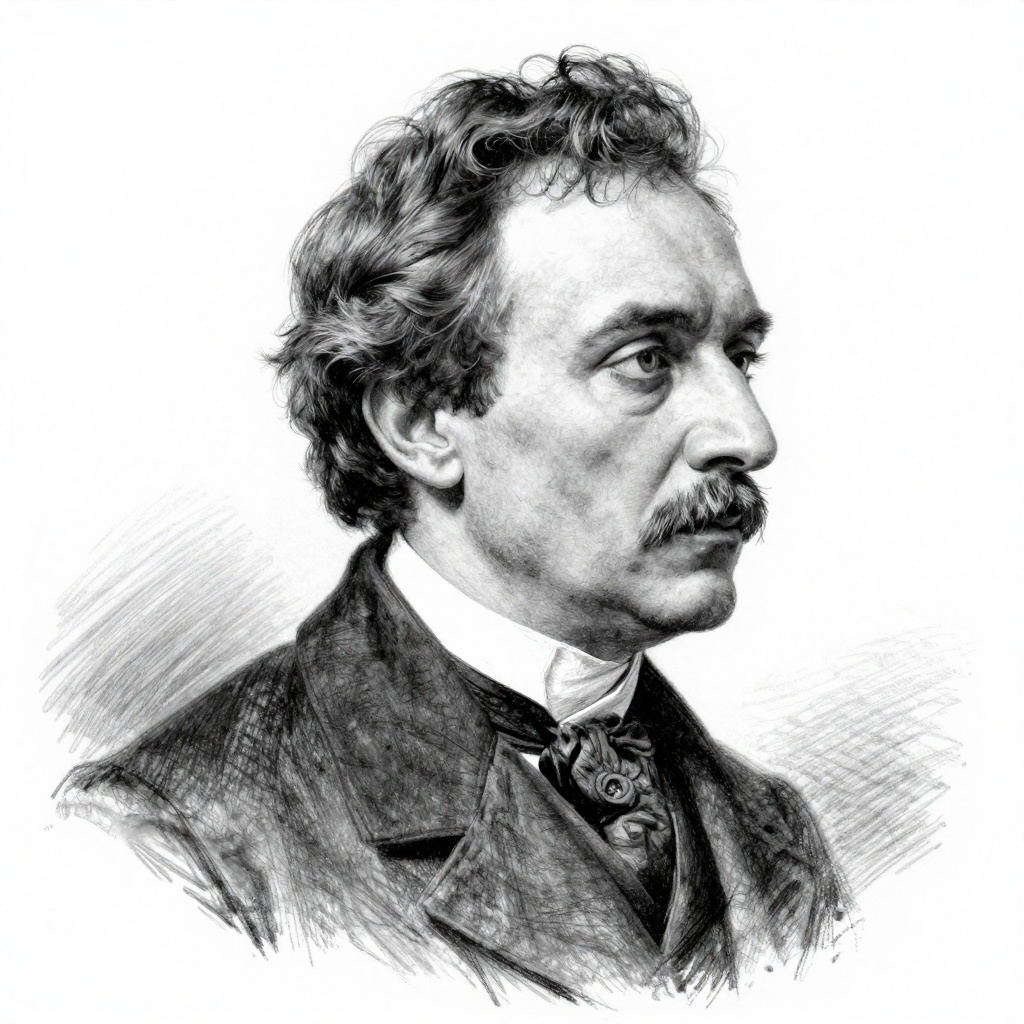
Comments