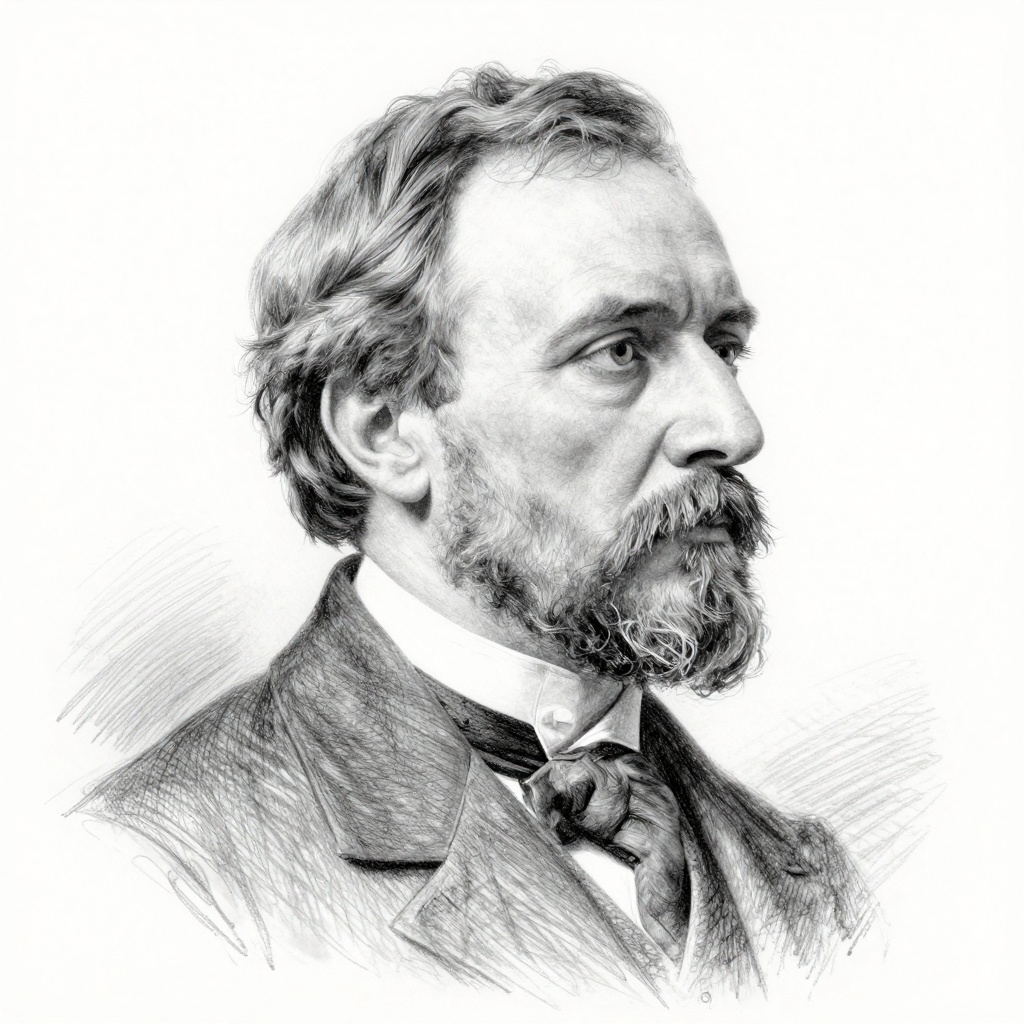
What we have done for ourselves alone dies with us; what we have done for others and the world remains and is... — Albert Pike

What we have done for ourselves alone dies with us; what we have done for others and the world remains and is immortal.

Author: Albert Pike

Insight: We live in a culture obsessed with personal achievement—the promotion, the house, the perfect life story we curate online. Yet most of us also know the strange emptiness that comes after landing something we thought we wanted. The insight here is that this emptiness isn't a flaw in us; it's information. It's telling us that the things we do purely for ourselves, however impressive, don't actually stick around in any meaningful way. They fade once we're gone. What does stick is quieter and harder to measure. It's the person who taught you to think clearly, the friend who showed up when it mattered, the small act of kindness you gave someone without needing credit. These things ripple forward in ways you'll never fully see. Someone passes your wisdom to their kid, who passes it to theirs. A moment of your patience changes how someone treats strangers for decades. The math is humbling: our selfish achievements have a shelf life measured in years, while contributions to others potentially have no expiration date at all. This doesn't require grand gestures. It means paying attention to where your energy actually goes and asking whether you're building something that only serves you or something that serves beyond you.

Source: Ex Corde Locutiones: Words from the Heart Spoken of His Dead Brethren, p. 11, 1860

Your Legacy Outlives Your Success

What we have done for ourselves alone dies with us; what we have done for others and the world remains and is immortal.

Albert PikeEx Corde Locutiones: Words from the Heart Spoken of His Dead Brethren, p. 11, 1860

We live in a culture obsessed with personal achievement—the promotion, the house, the perfect life story we curate online. Yet most of us also know the strange emptiness that comes after landing something we thought we wanted. The insight here is that this emptiness isn't a flaw in us; it's information. It's telling us that the things we do purely for ourselves, however impressive, don't actually stick around in any meaningful way. They fade once we're gone.

What does stick is quieter and harder to measure. It's the person who taught you to think clearly, the friend who showed up when it mattered, the small act of kindness you gave someone without needing credit. These things ripple forward in ways you'll never fully see. Someone passes your wisdom to their kid, who passes it to theirs. A moment of your patience changes how someone treats strangers for decades. The math is humbling: our selfish achievements have a shelf life measured in years, while contributions to others potentially have no expiration date at all.

This doesn't require grand gestures. It means paying attention to where your energy actually goes and asking whether you're building something that only serves you or something that serves beyond you.

AI generated

Comments

Sign in to leave a comment or reply to one.

Sign in

Albert Pike

Albert Pike was an American attorney, soldier, and writer born on December 29, 1809, in Boston, Massachusetts. He is best known for his role as a Confederate general during the American Civil War and for his influential writings on Freemasonry, particularly his work "Morals and Dogma." Pike was also a prominent figure in the development of the Scottish Rite of Freemasonry in the United States.

Graph