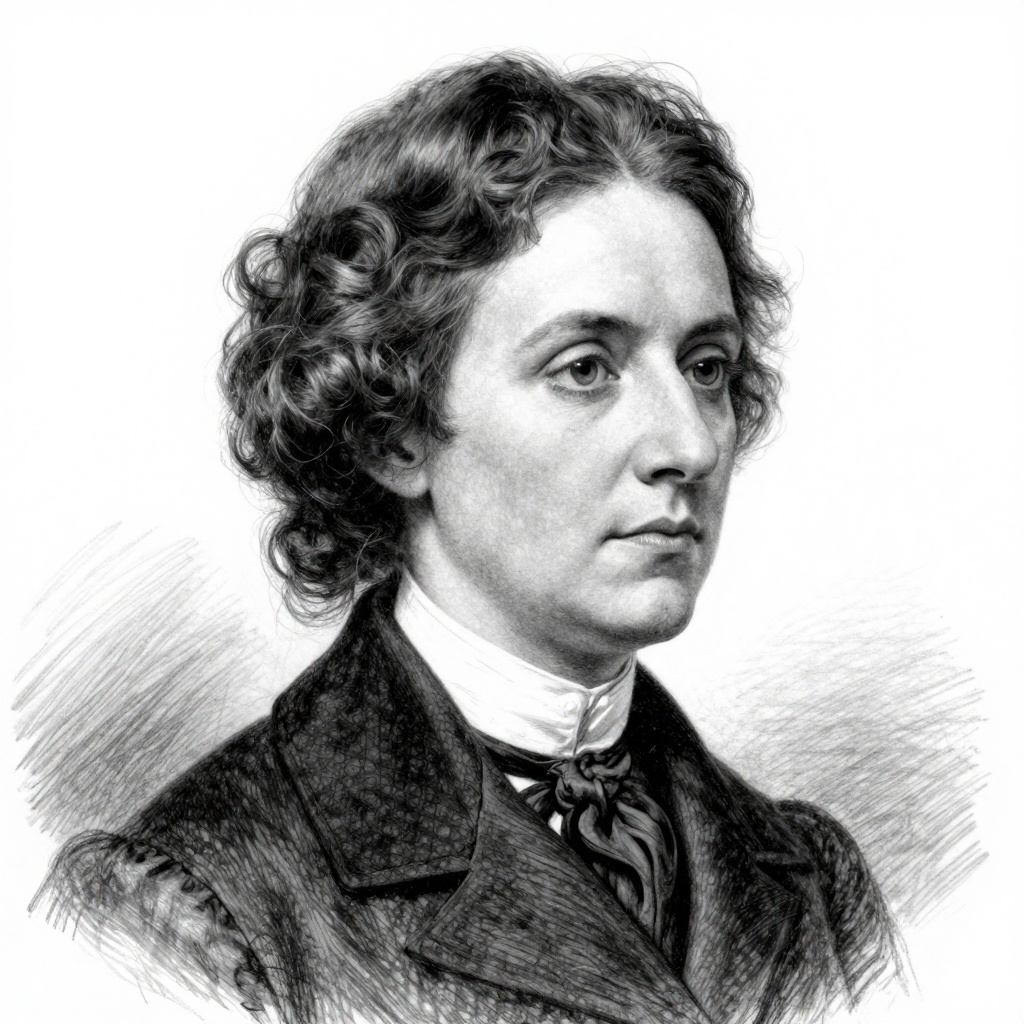
Those who have learned to walk on the threshold of the unknown worlds, by means of what are commonly termed pa... — Ada Lovelace
Those who have learned to walk on the threshold of the unknown worlds, by means of what are commonly termed par excellence the exact sciences, may then, with the fair white wings of imagination, hope to soar further into the unexplored amidst which we live.
Author: Ada Lovelace
Insight: There's a common myth that science and imagination are opposites—that rigorous thinking kills creativity. But Lovelace saw something different: mastery of concrete knowledge actually gives you permission to dream bigger. When you really understand how something works, you're not locked into conventional thinking. You're freed from fumbling in the dark. Think of it like learning music theory. A beginner might feel constrained by rules, but a musician who's internalized the fundamentals can improvise with confidence. They know what they're breaking and why. Similarly, someone deep in mathematics or physics isn't boxed in by facts—they're equipped with a language precise enough to explore genuine mysteries. The structure becomes a springboard, not a cage. What's quietly radical here is that Lovelace refuses to separate the analytical from the imaginative. She's not saying do hard work and then separately let yourself dream. She's saying the hard work becomes the vehicle for your imagination to go further. You can't soar into the truly unexplored without first learning to walk steadily on solid ground. That's what makes the flight worth taking.